Back to museum

K.S.
Vass

Painter of Reverie, Storyteller of Silence

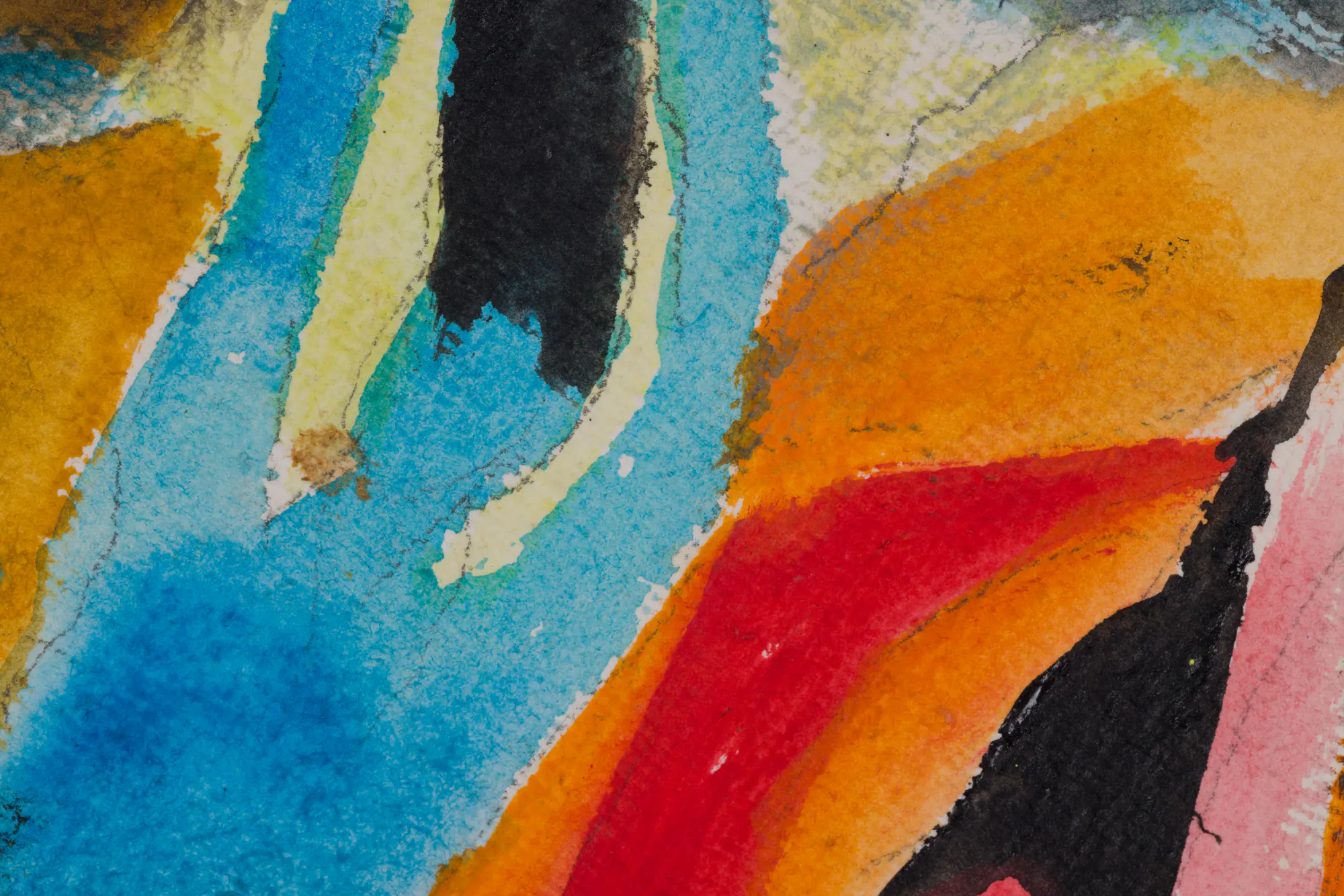
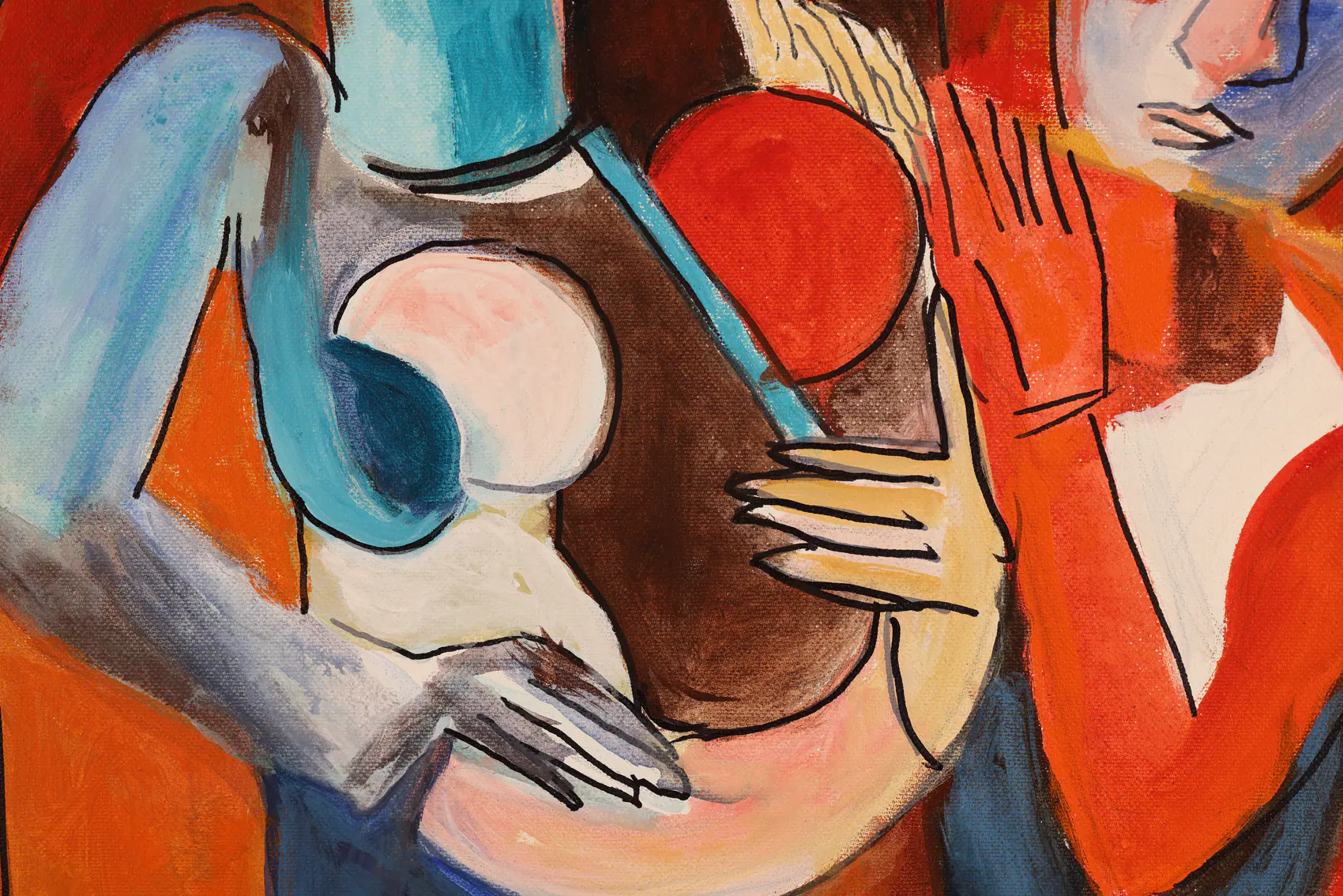
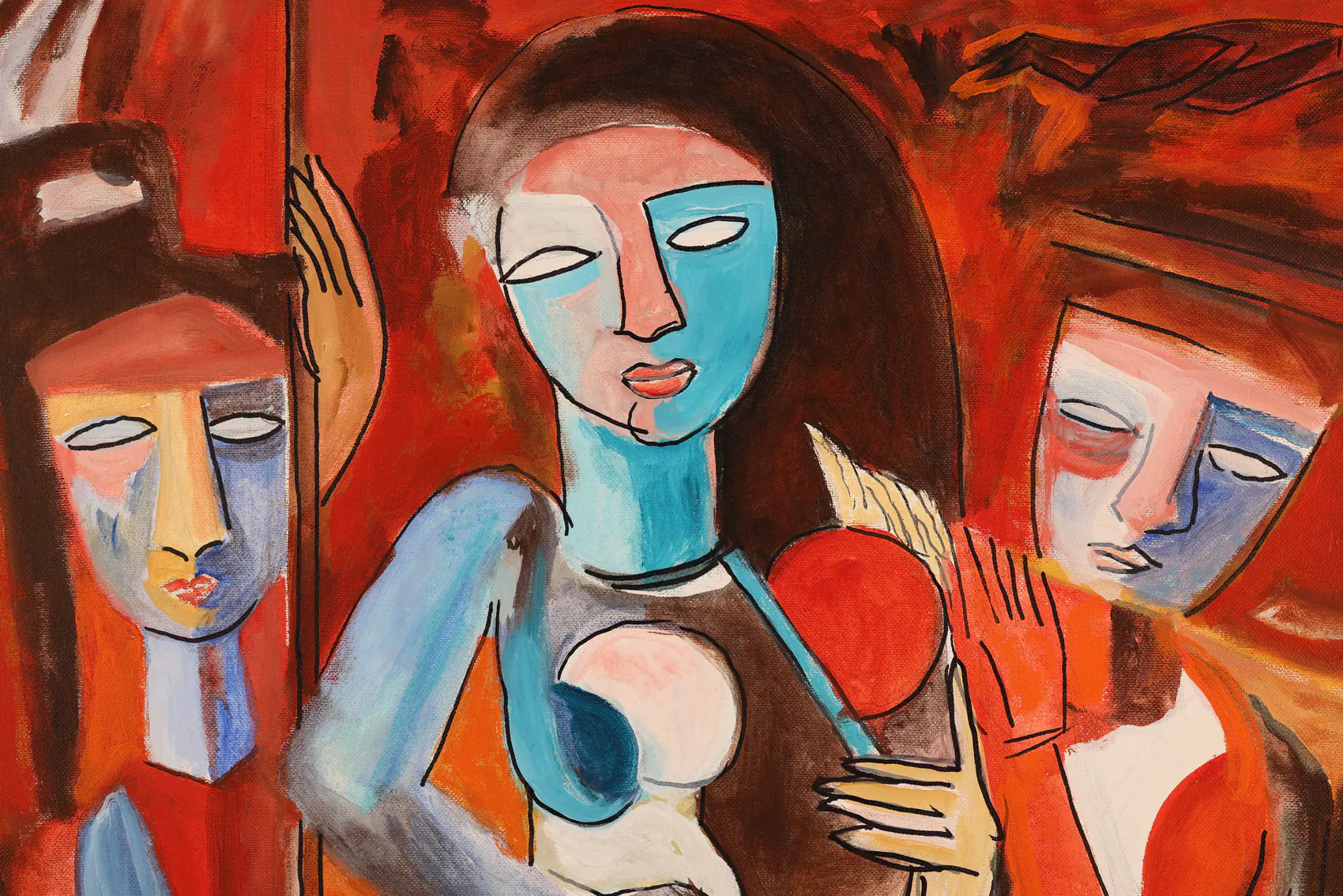
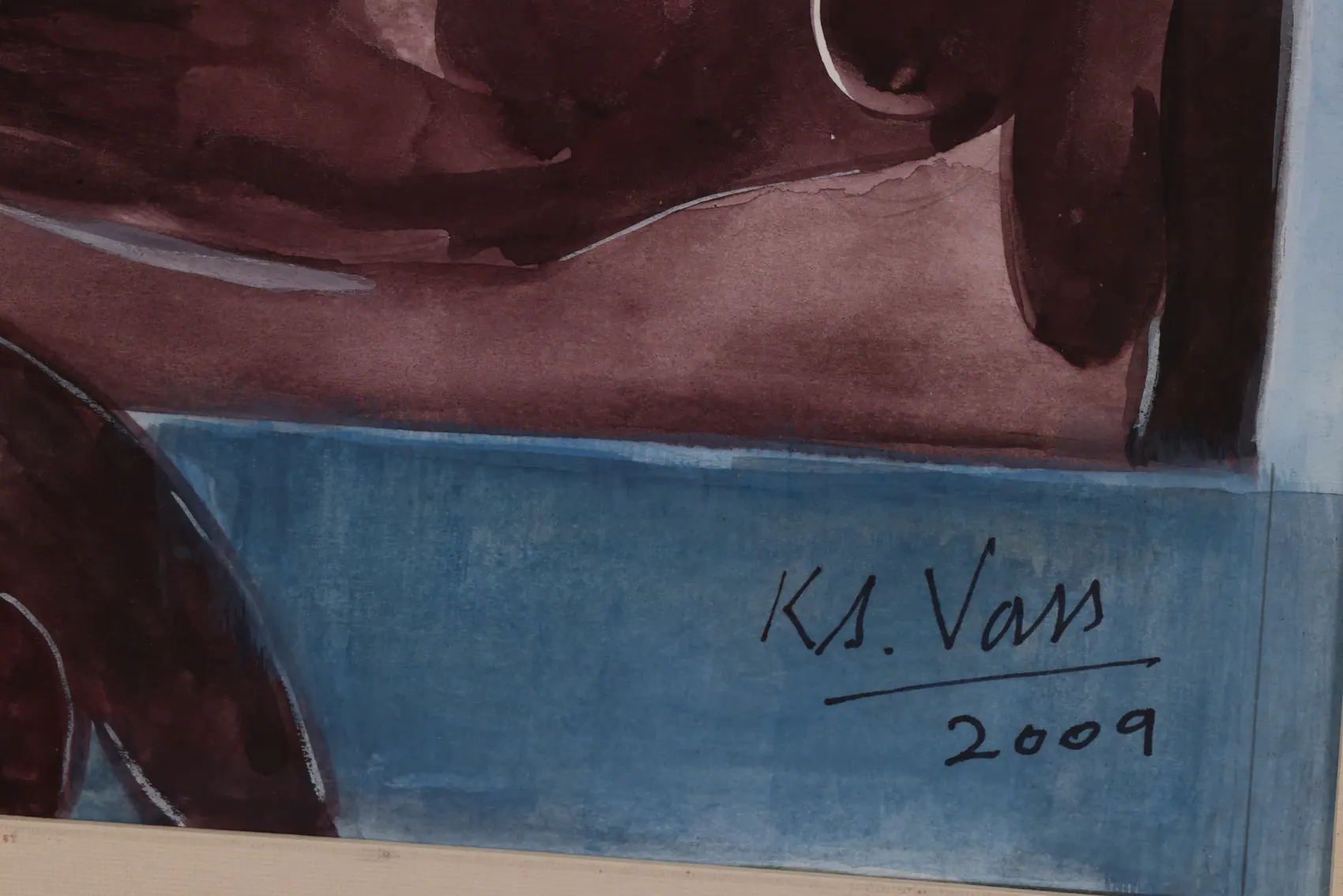
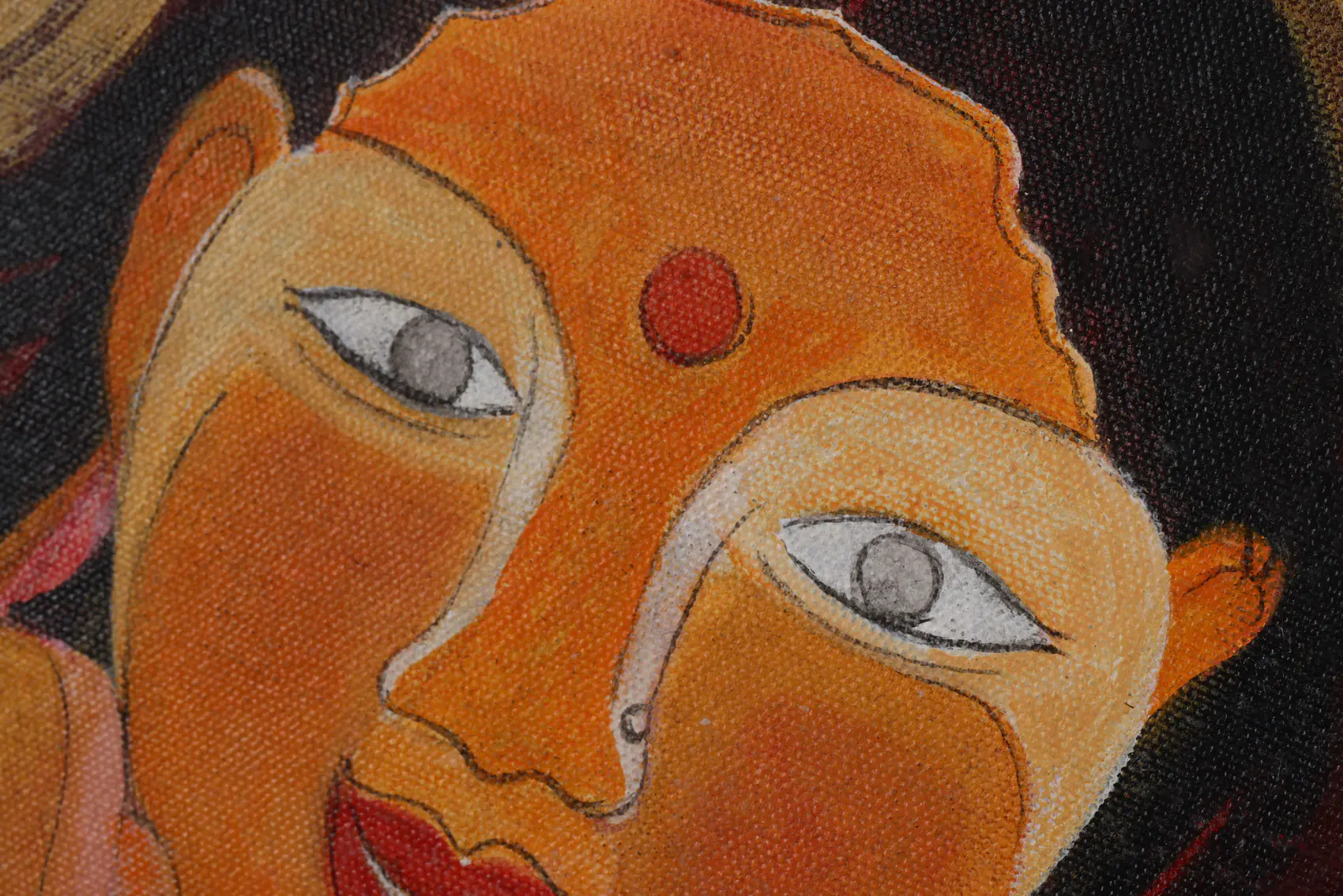
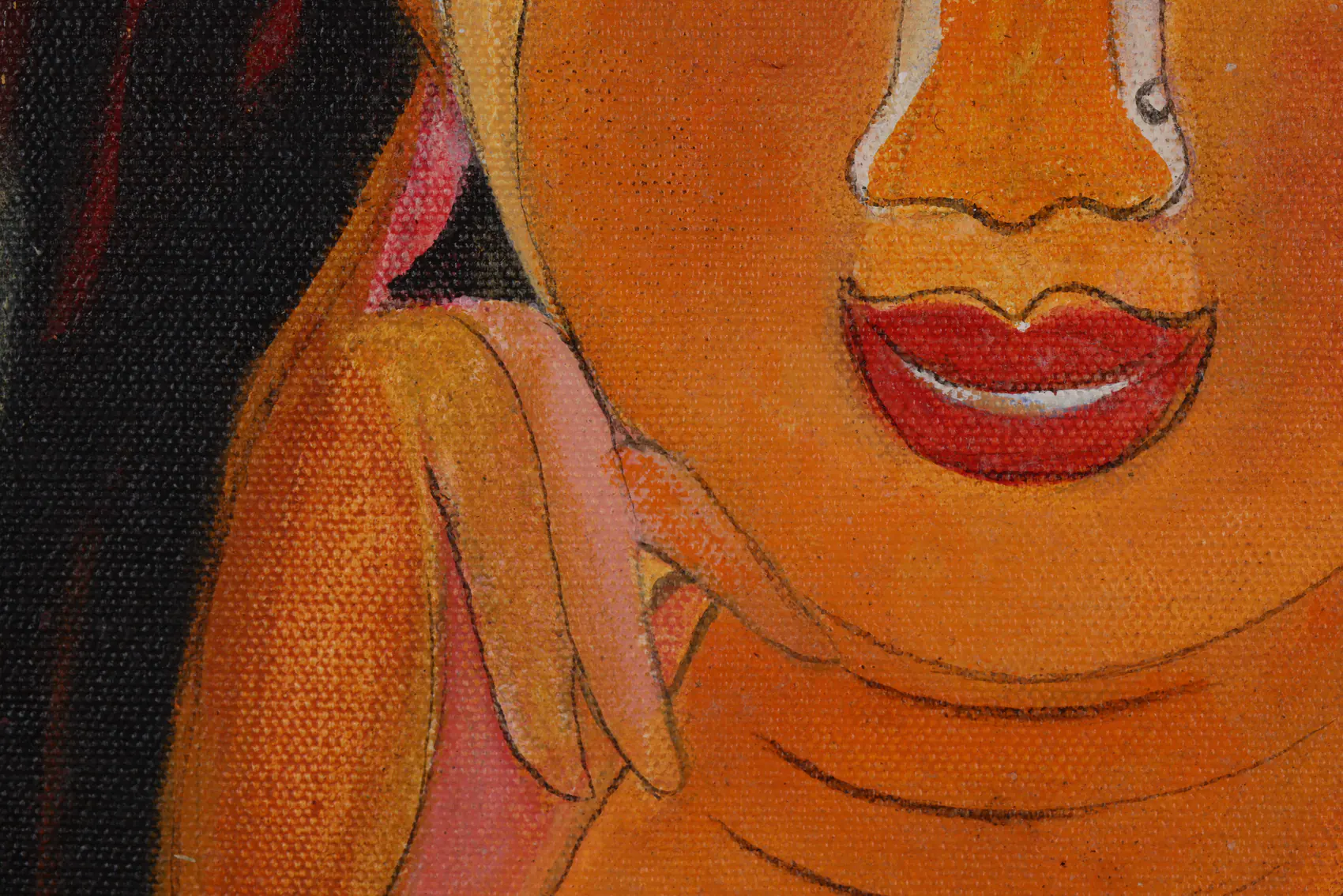
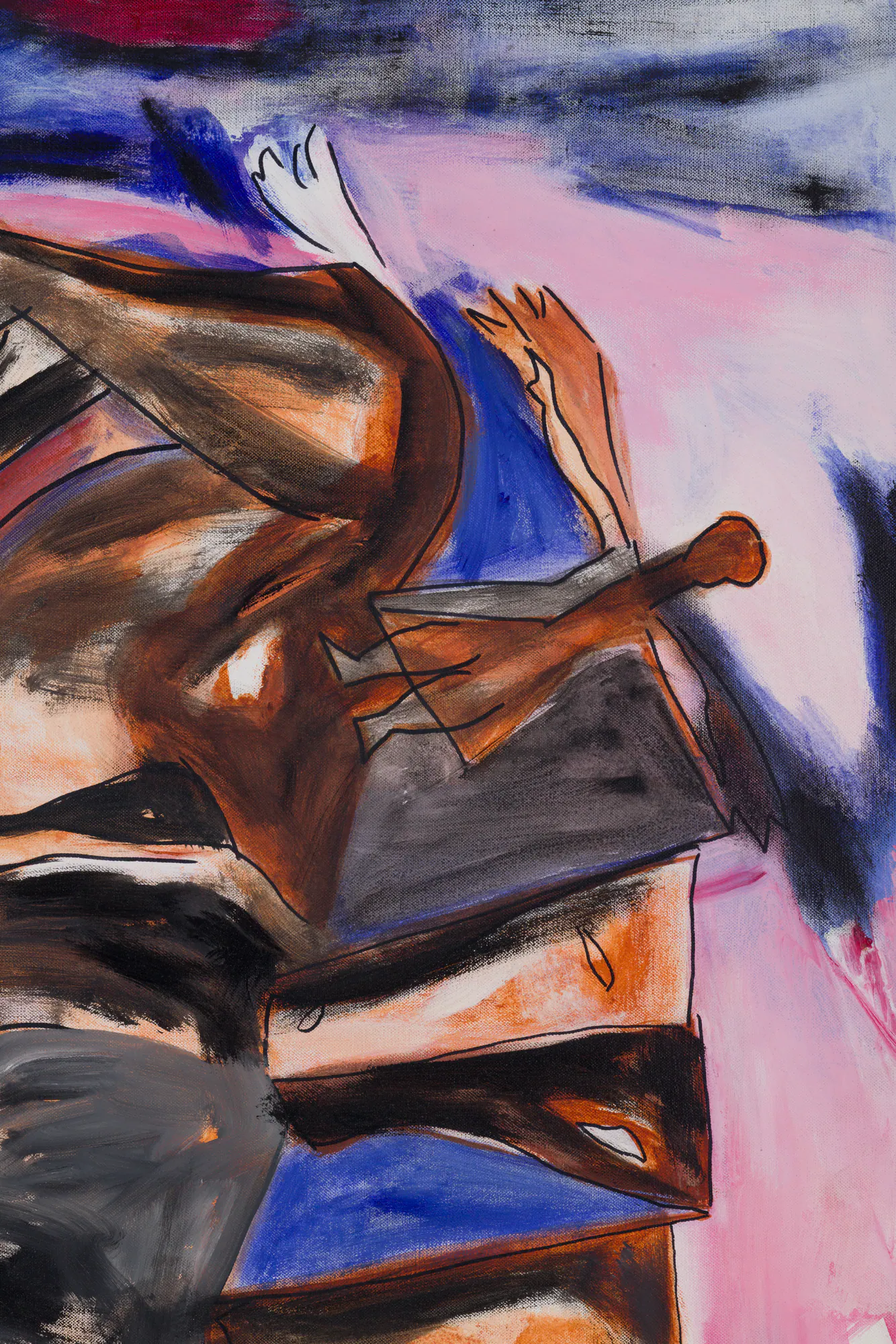
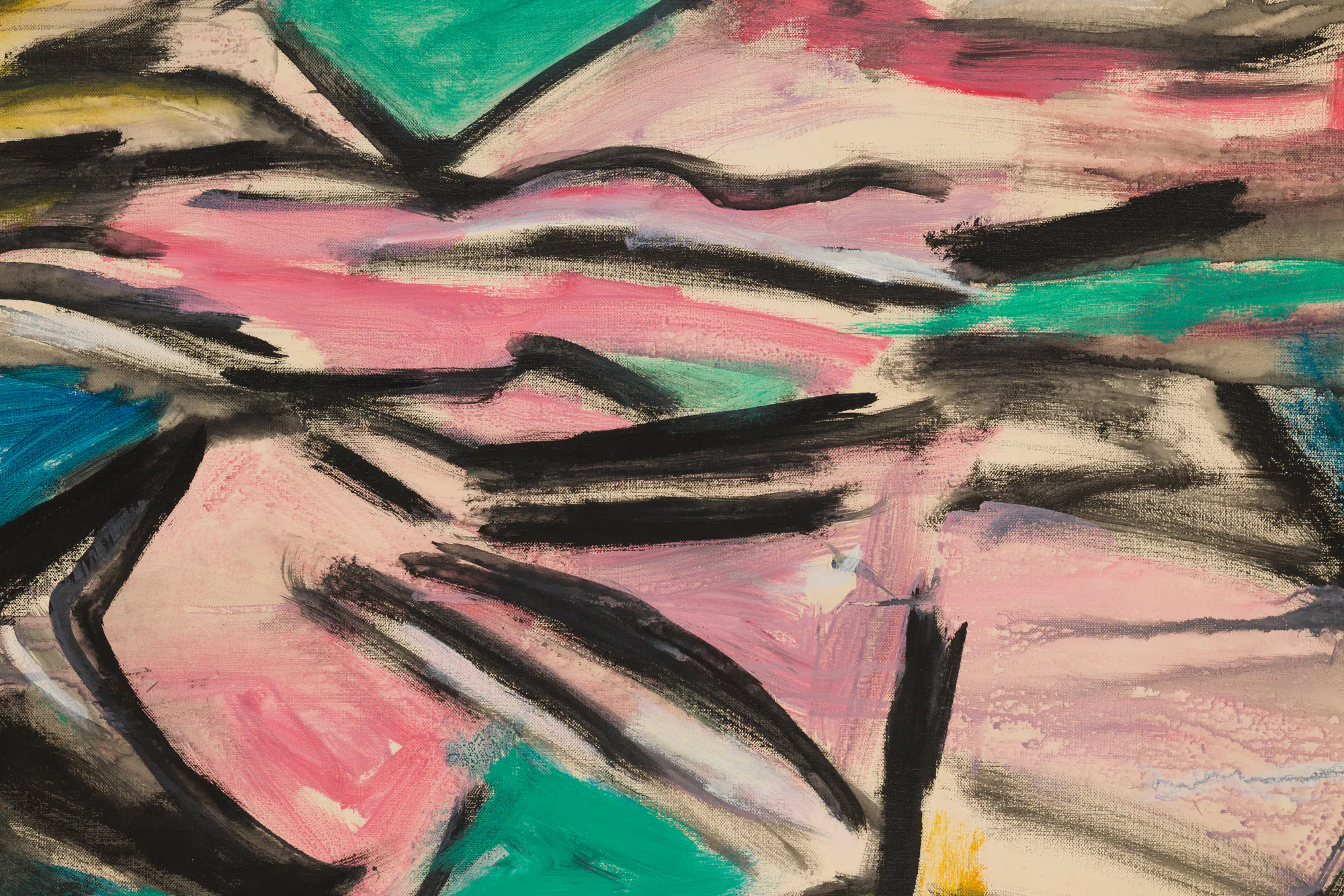
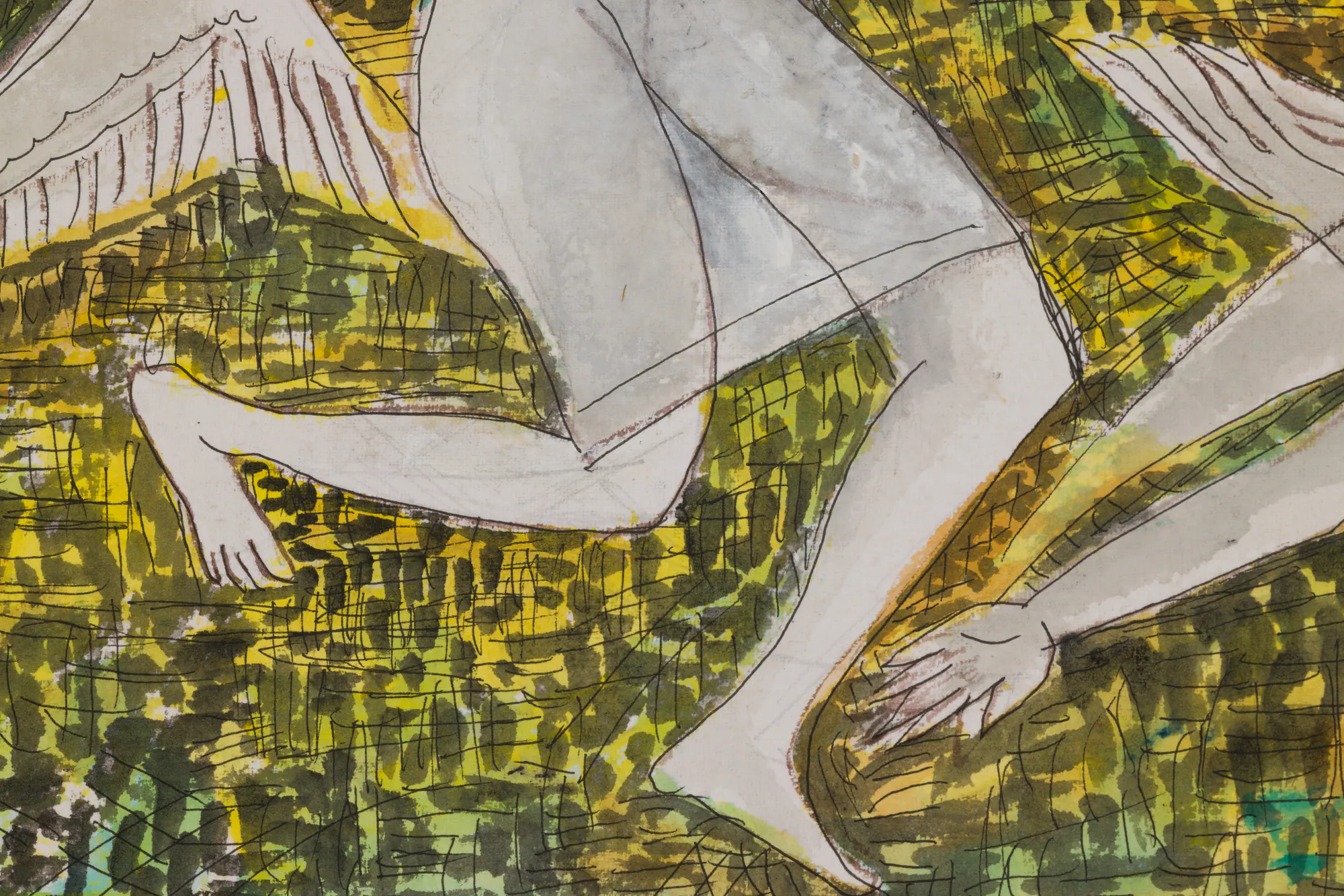
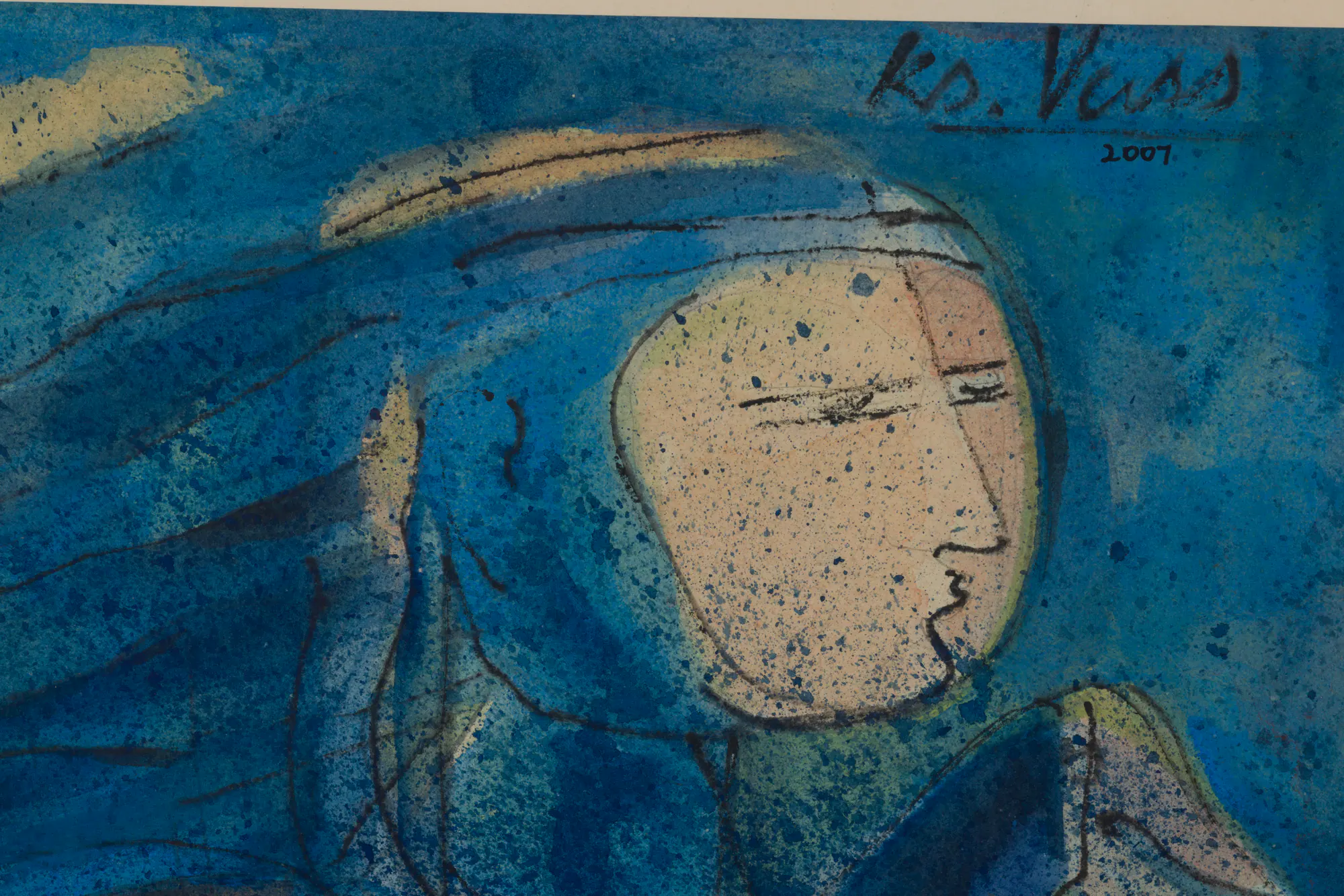
K.S. Vass painting detail

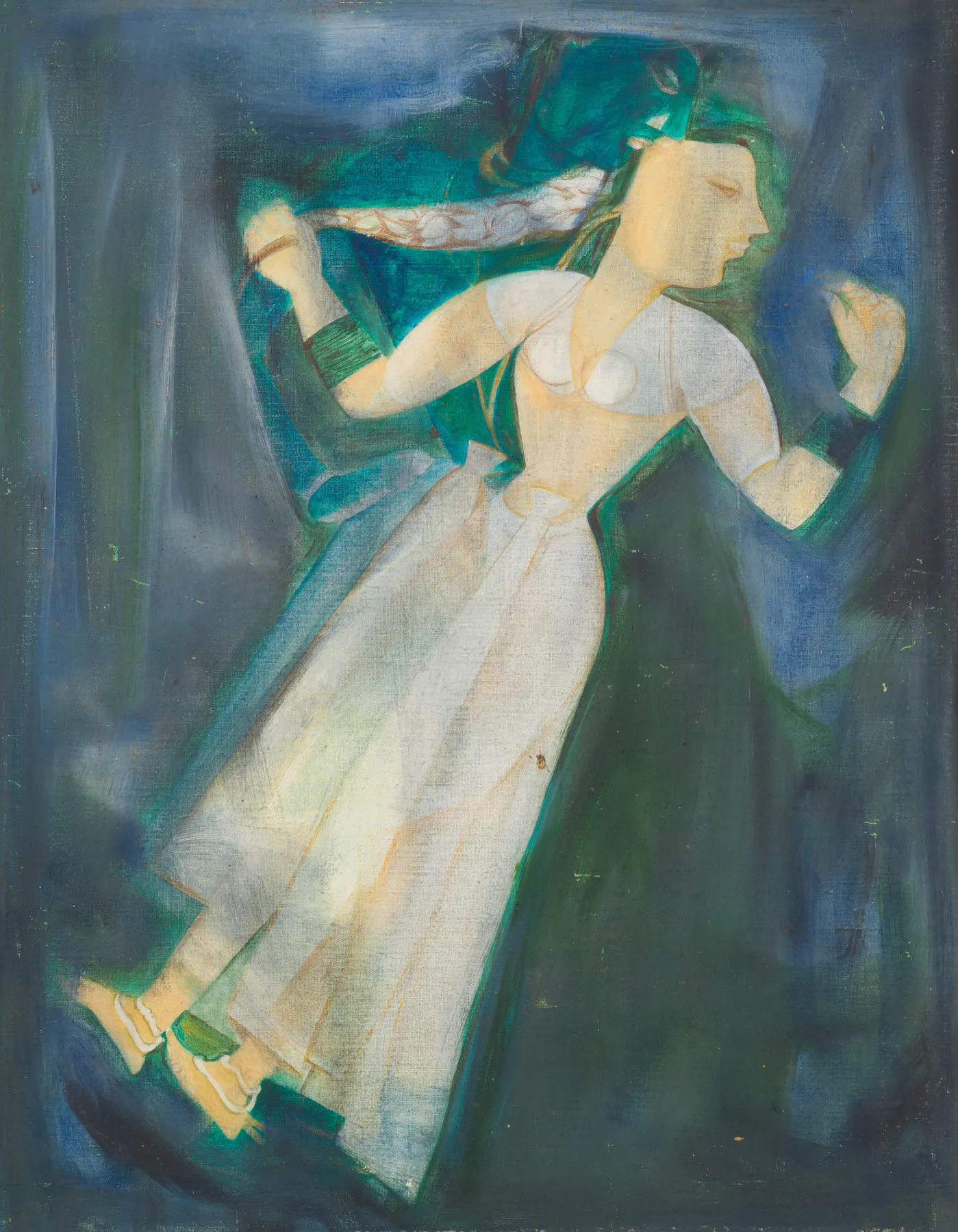
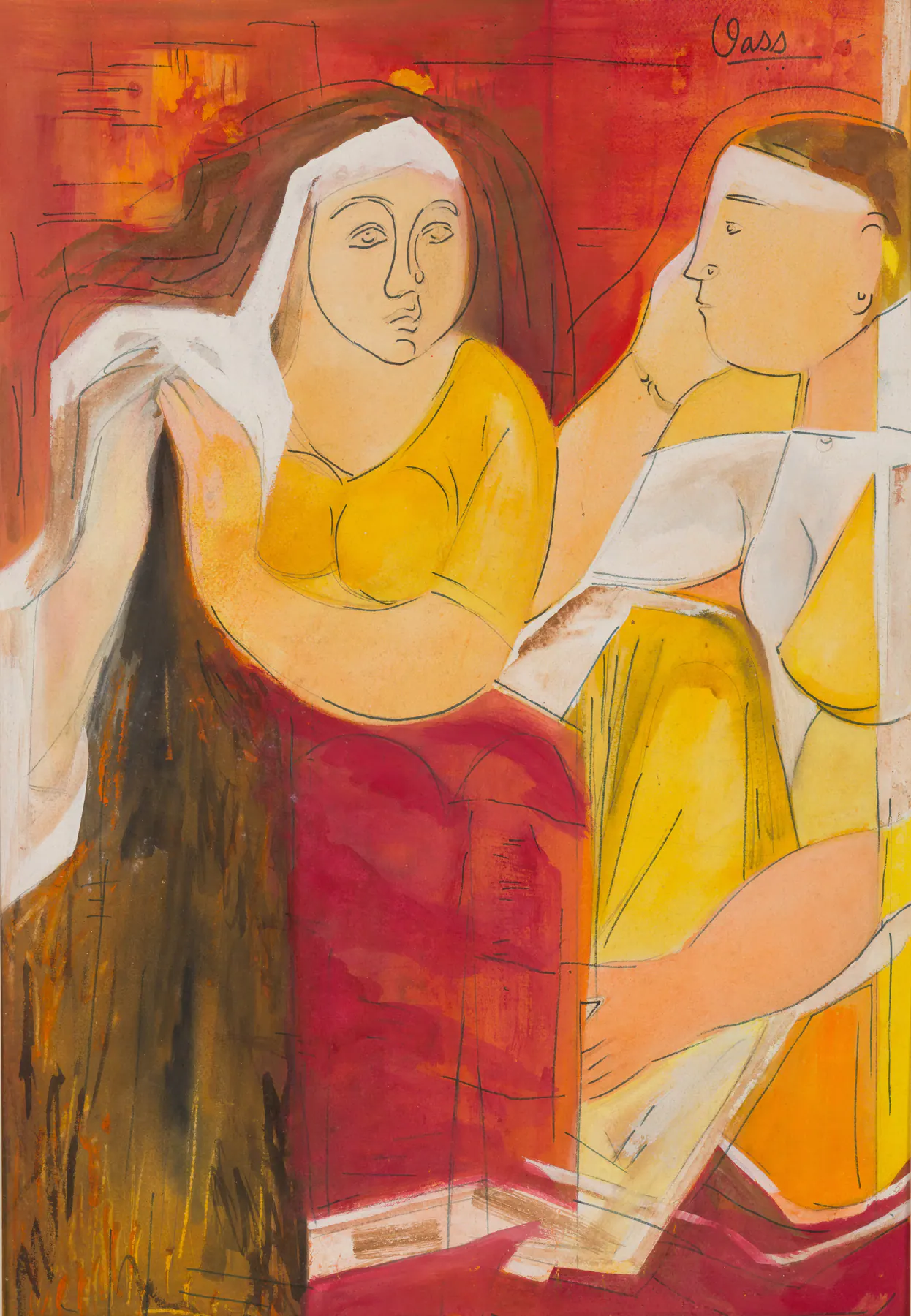
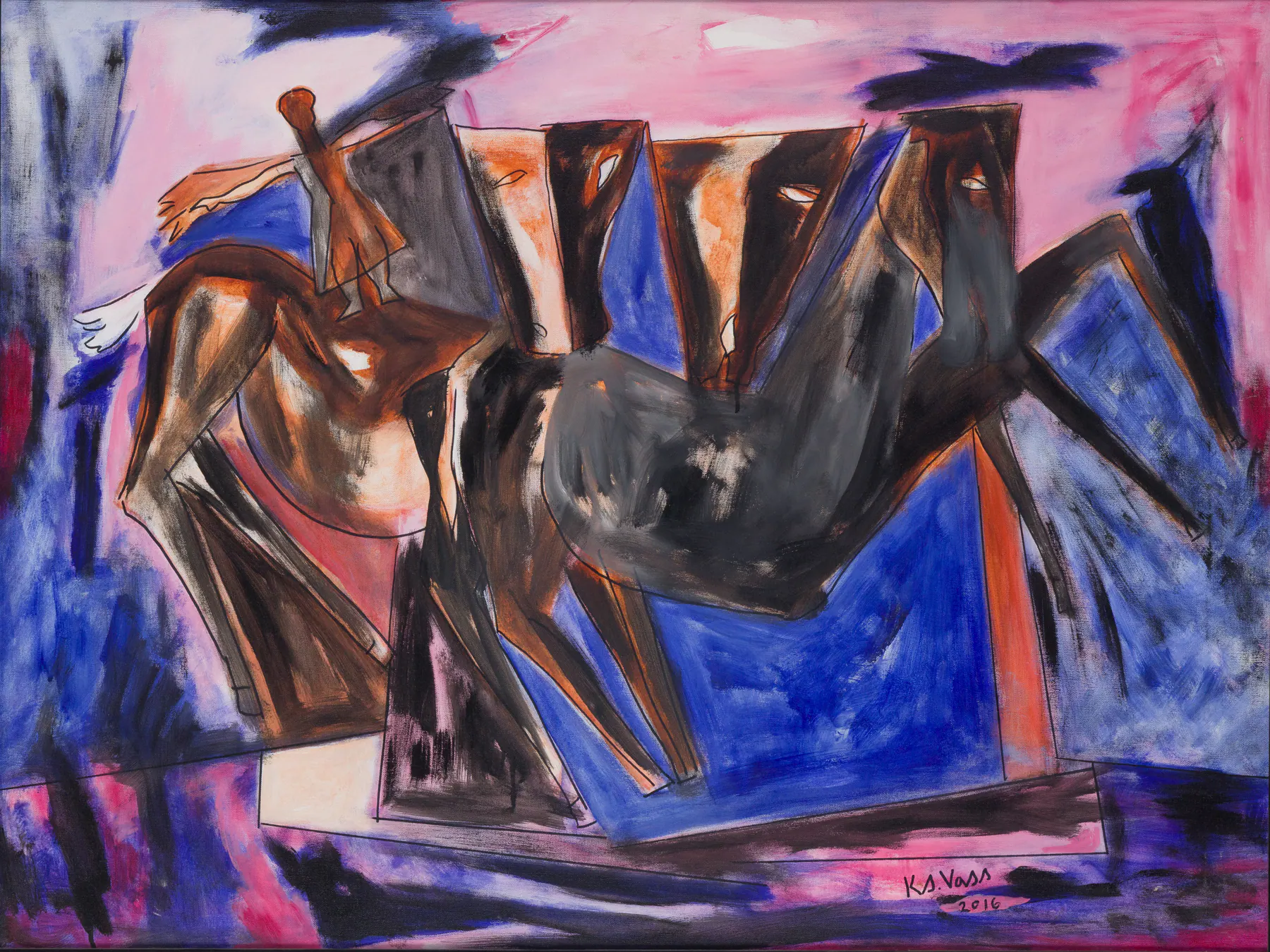
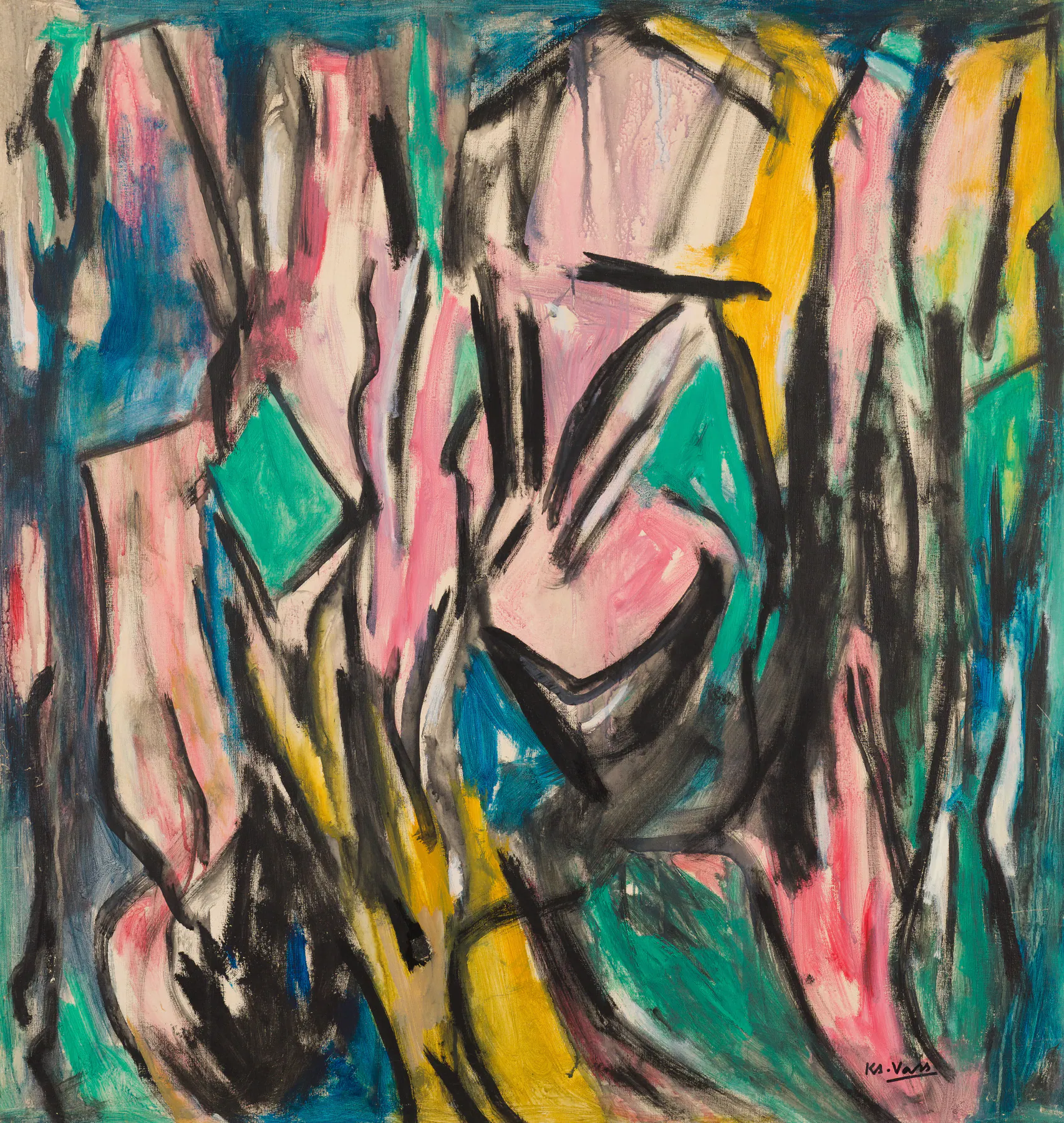
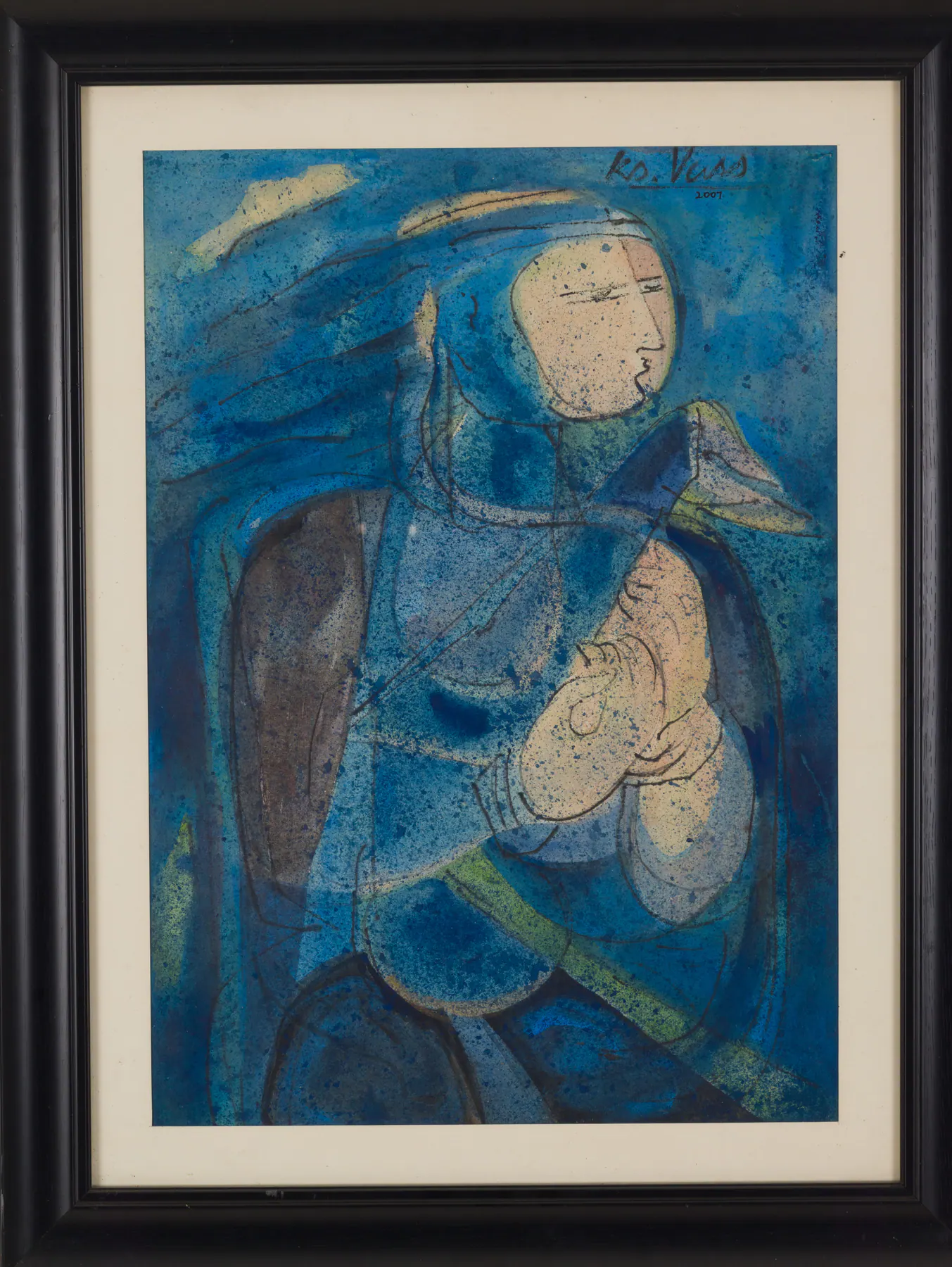
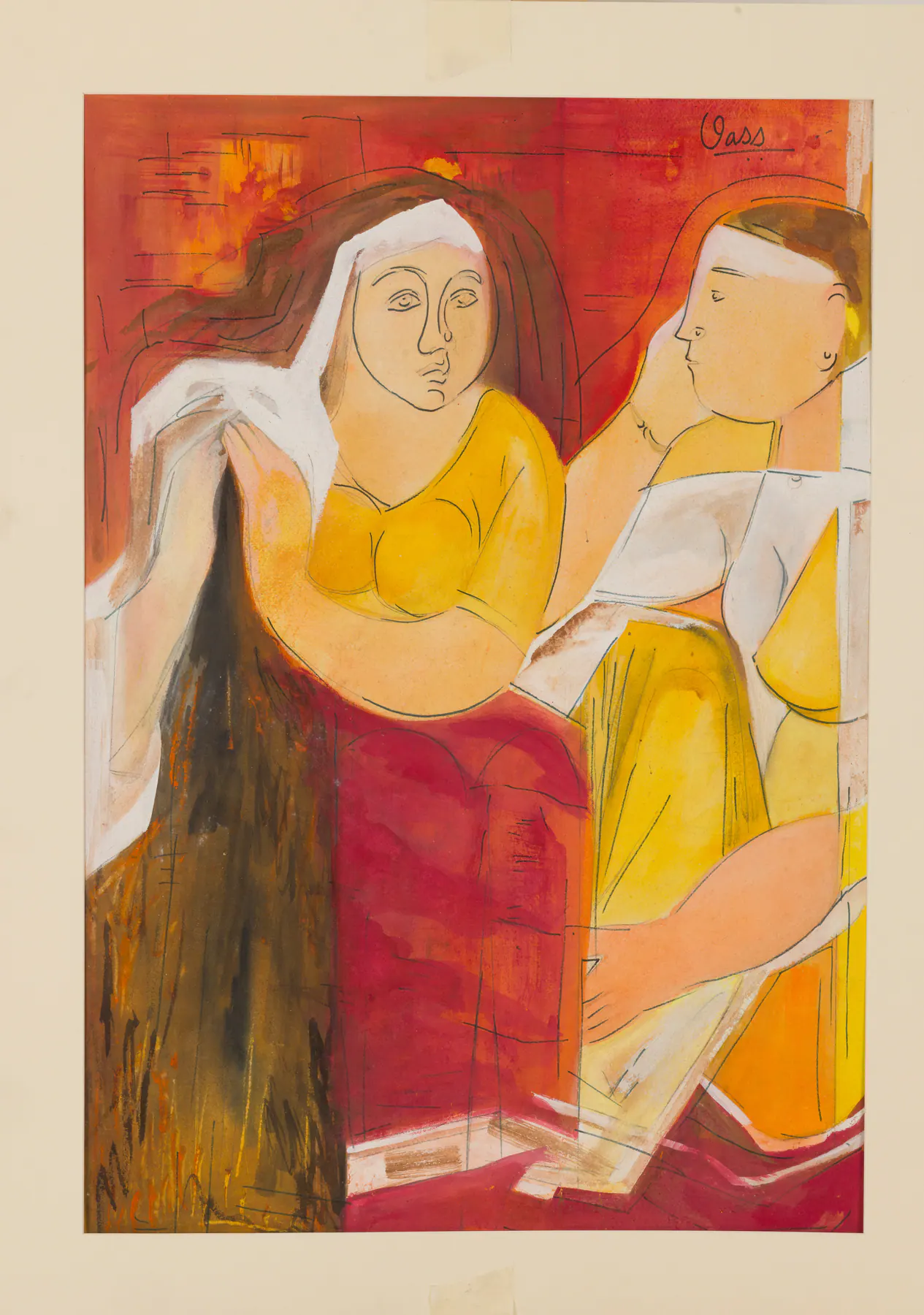
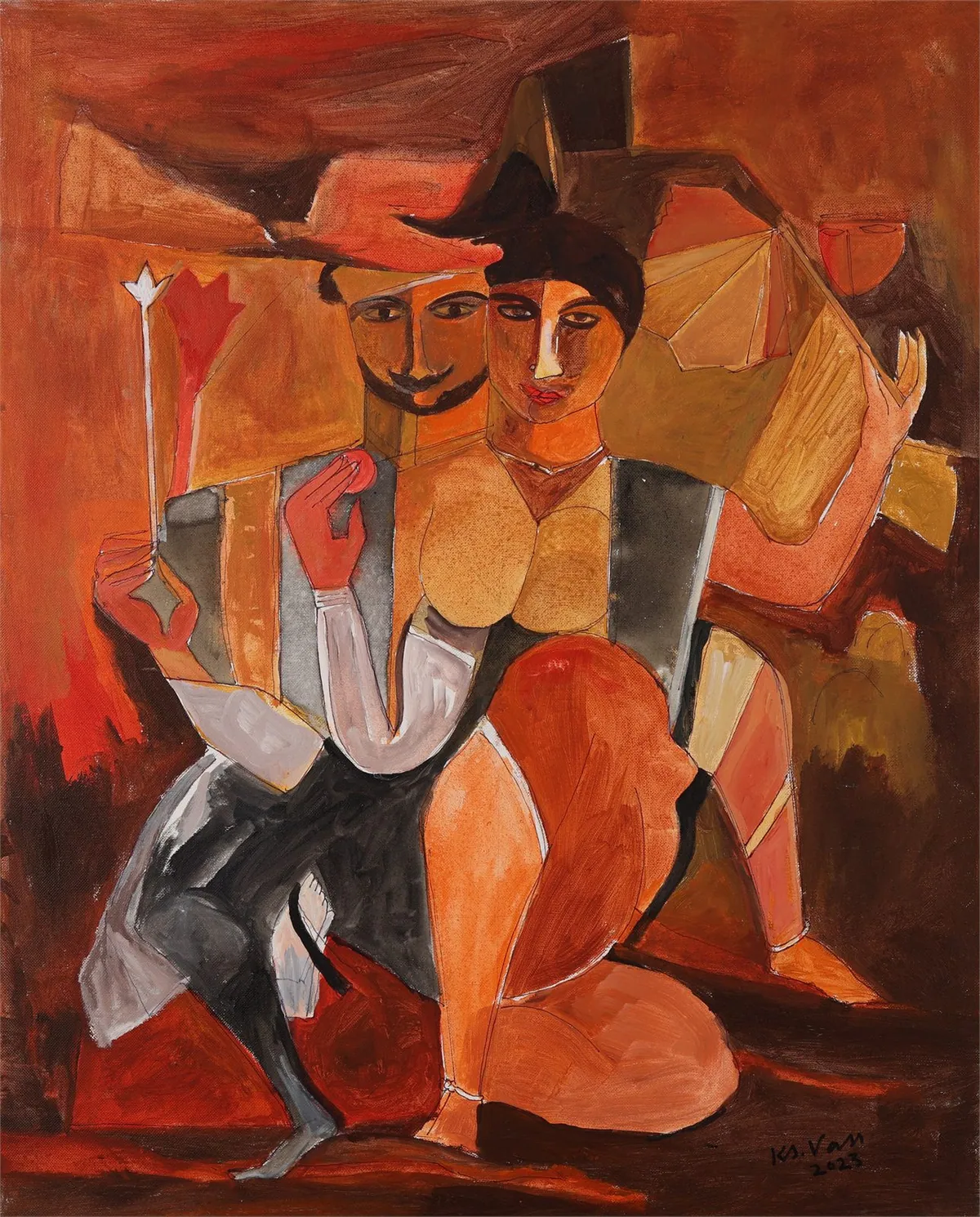
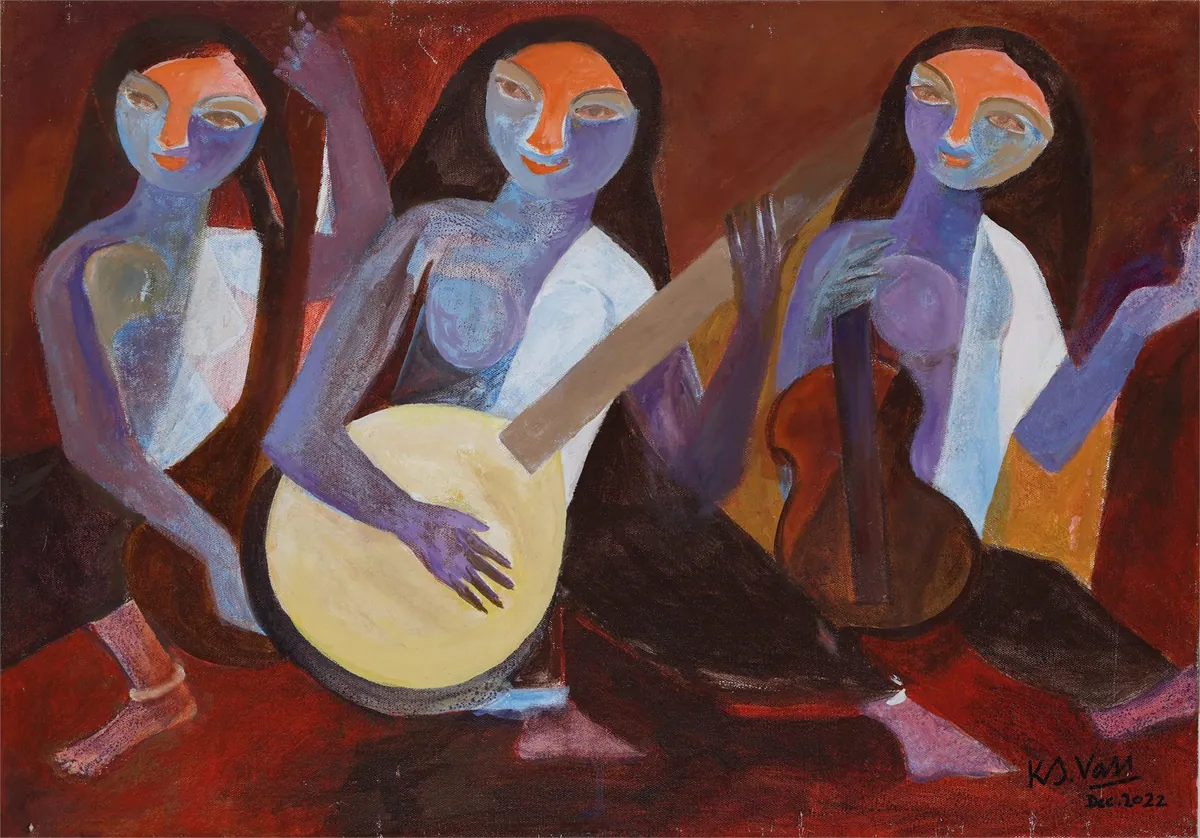
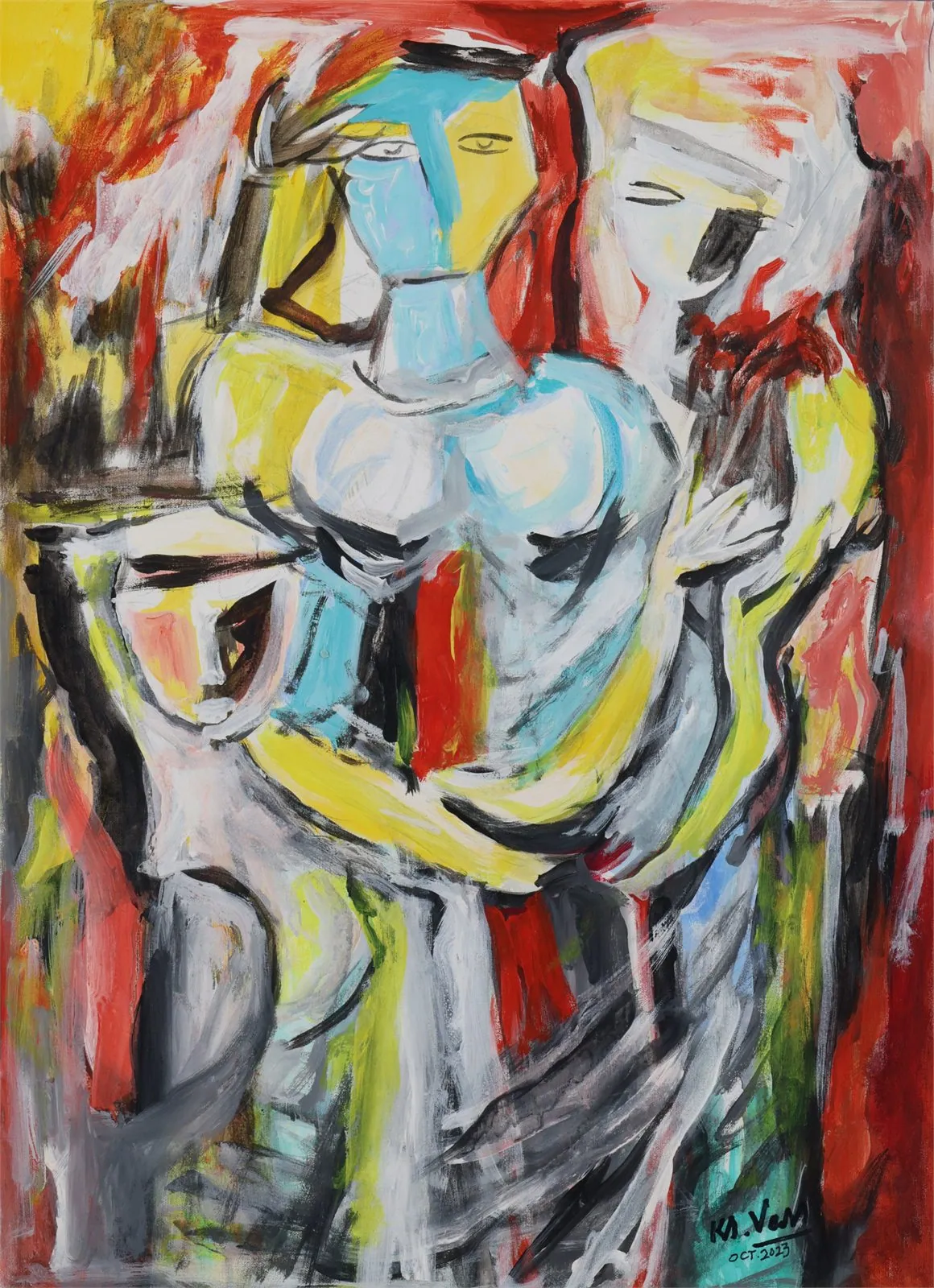
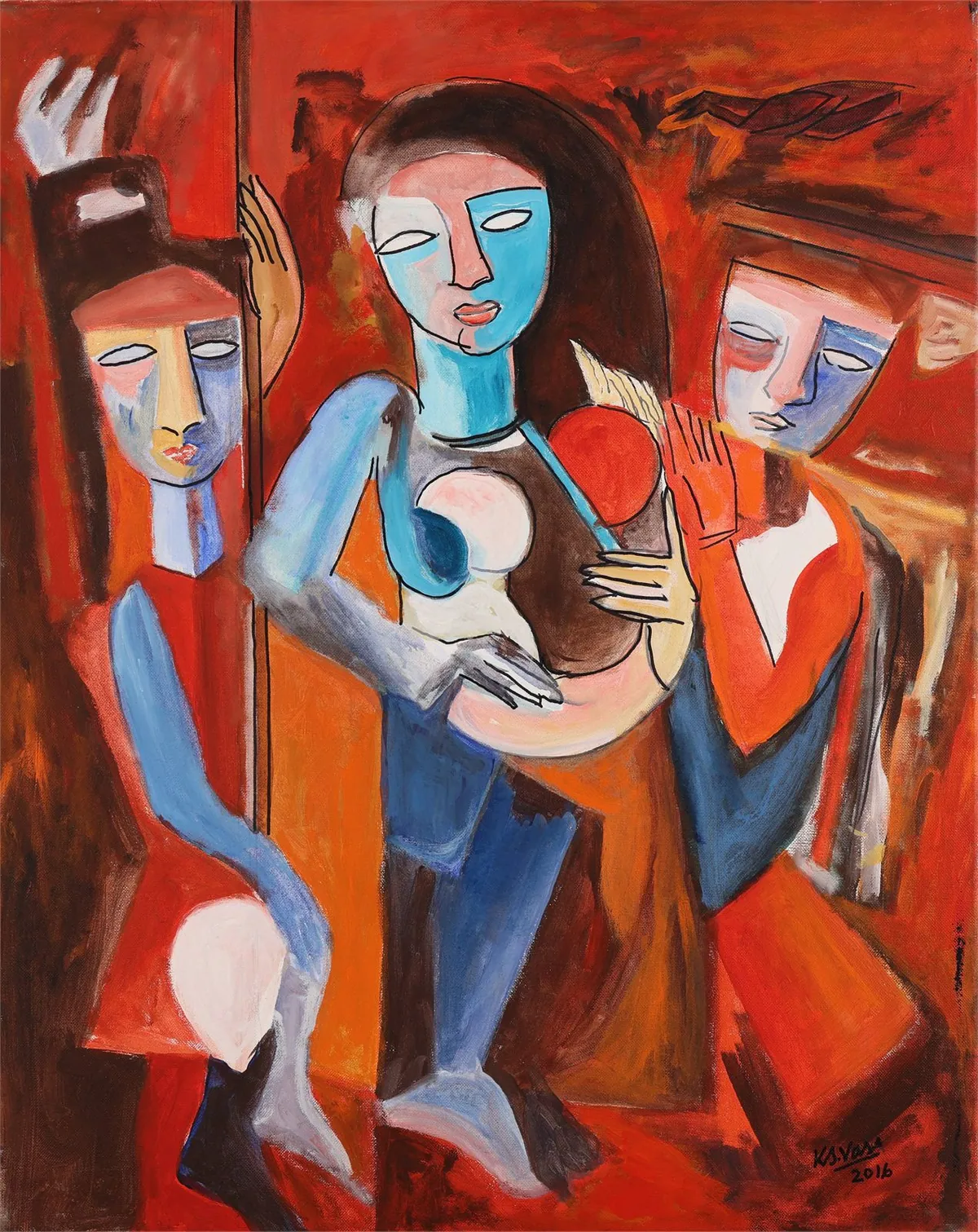
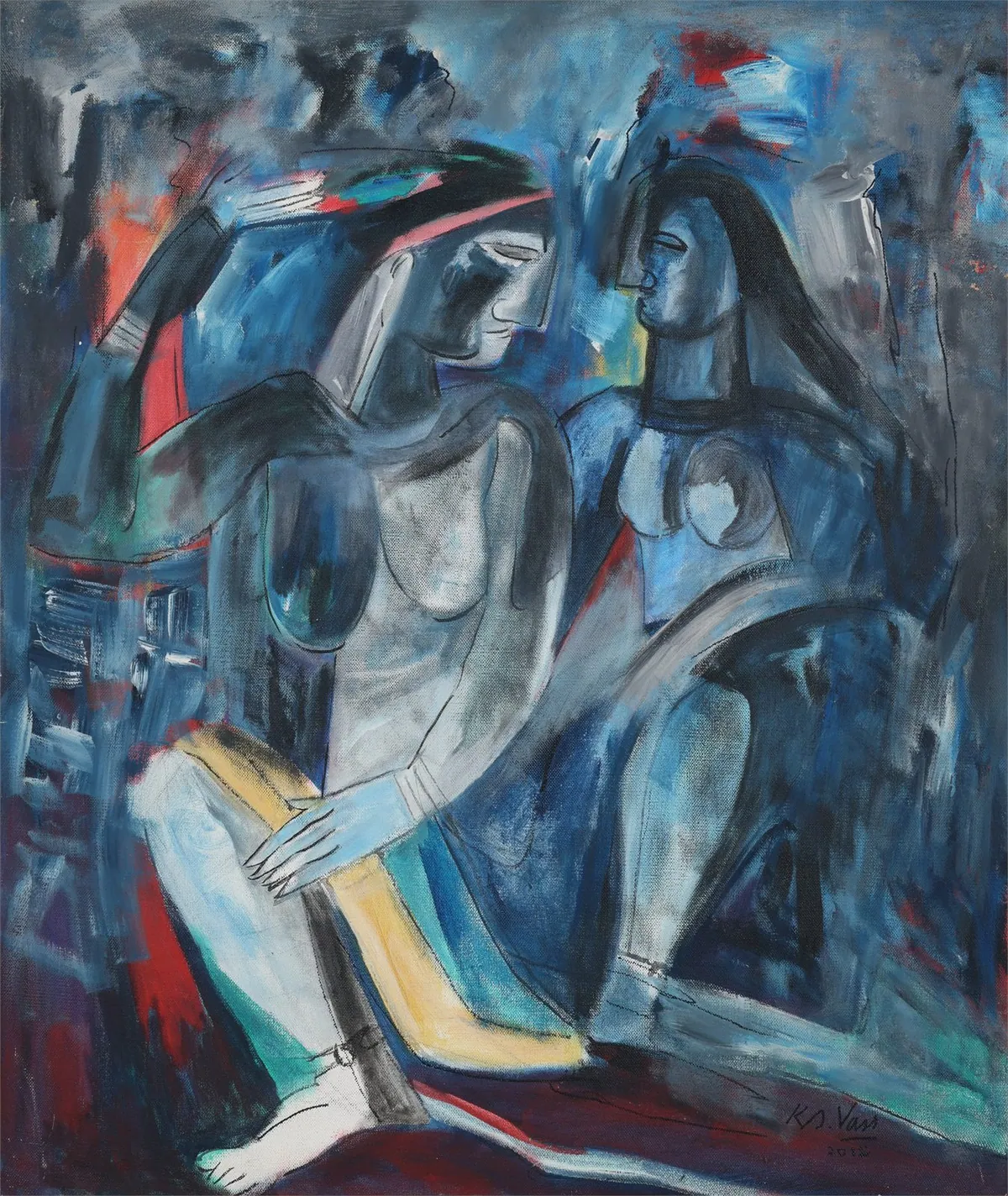
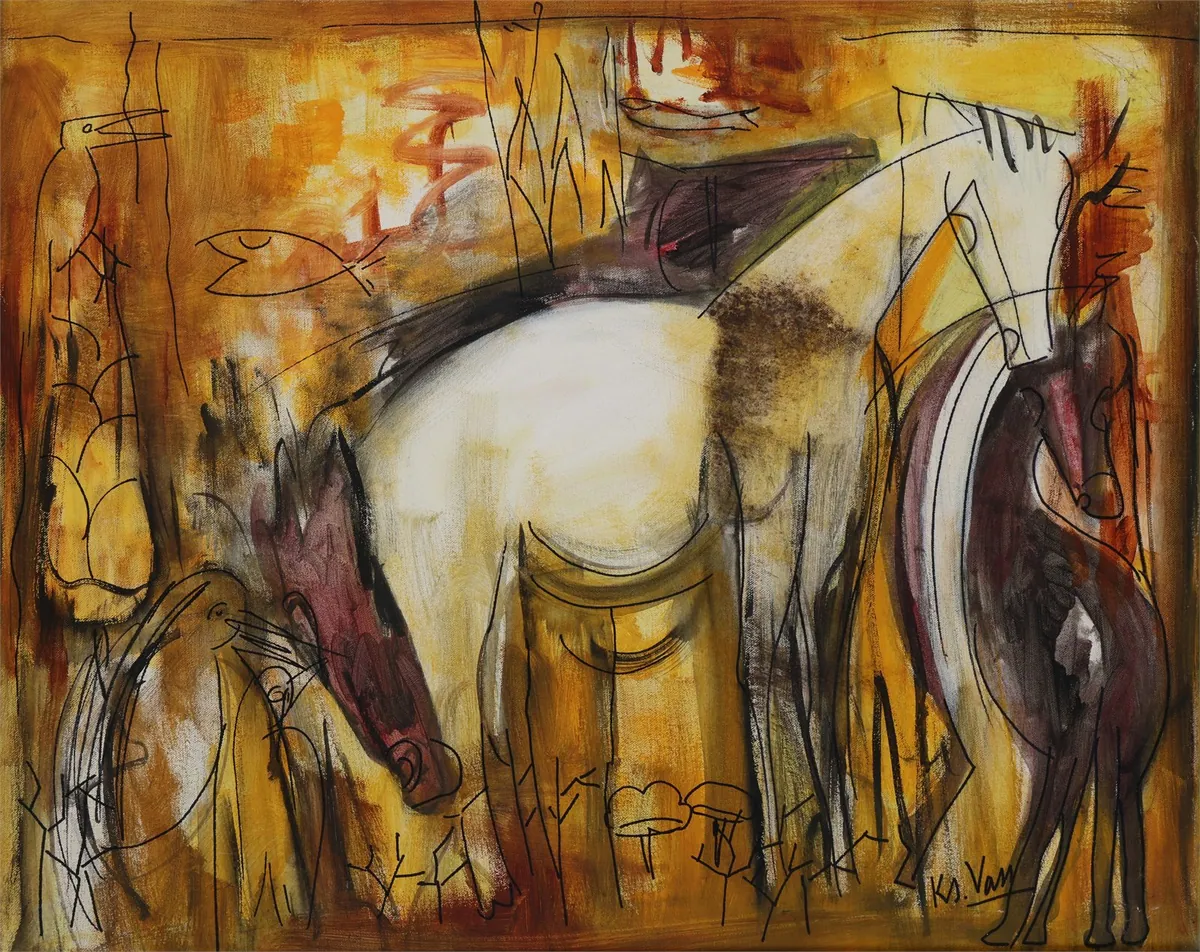
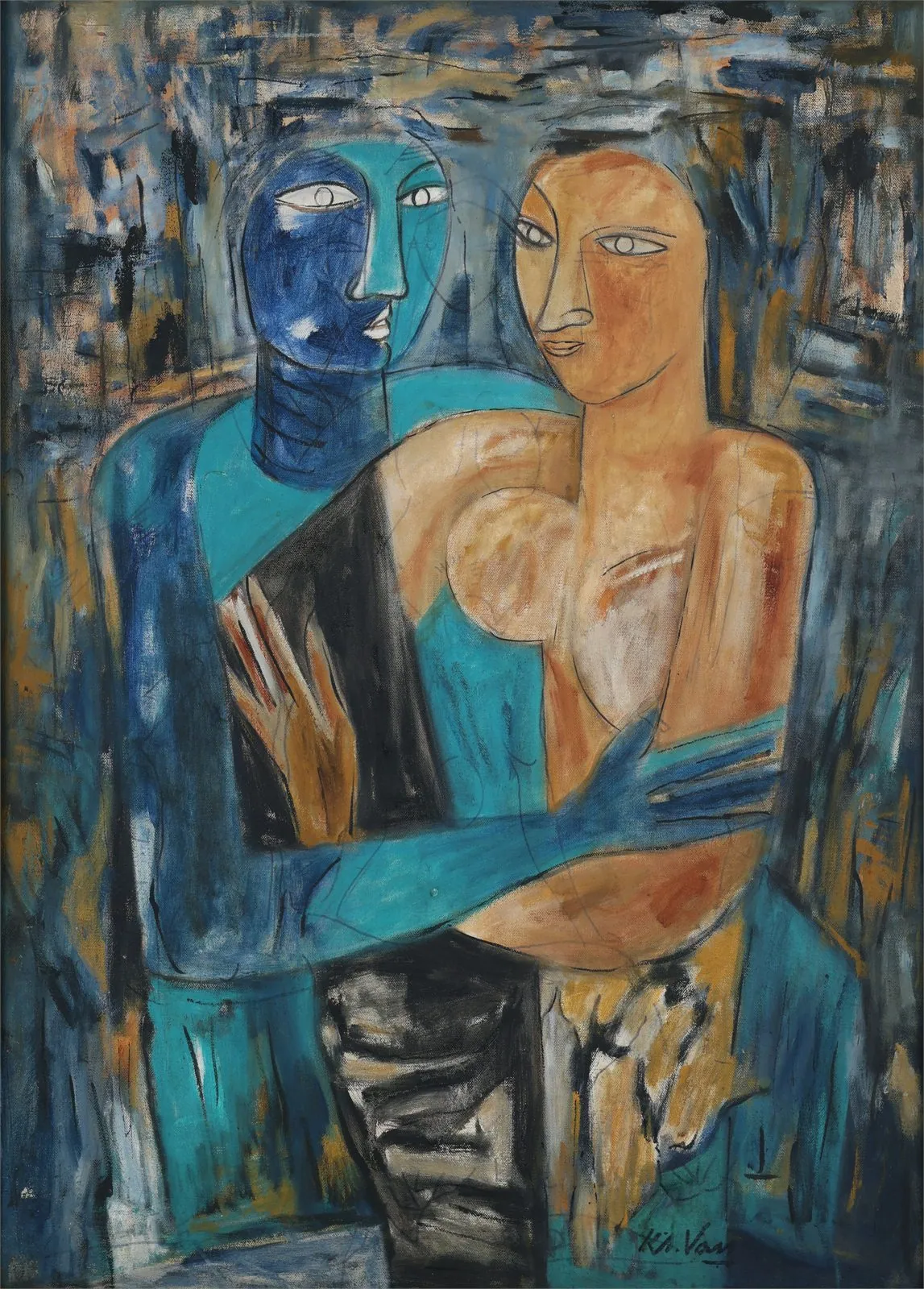
K.S. Vass painted the feeling of things before they became visible: dusk, memory, grief, tenderness, and the strange quiet that gathers around a figure in shadow.

His canvases live between dream and recollection, where bodies soften into landscape and silence becomes a physical presence.

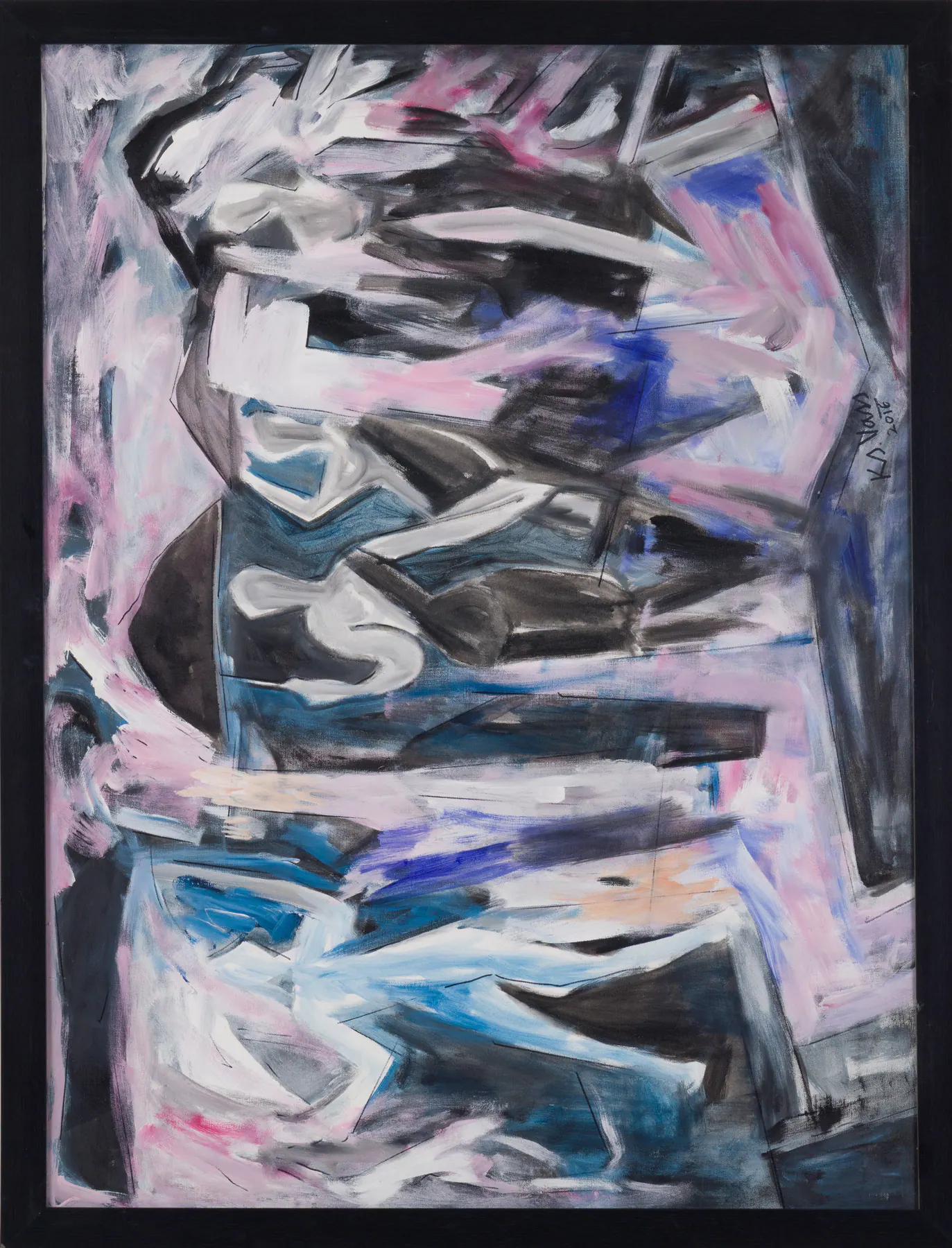
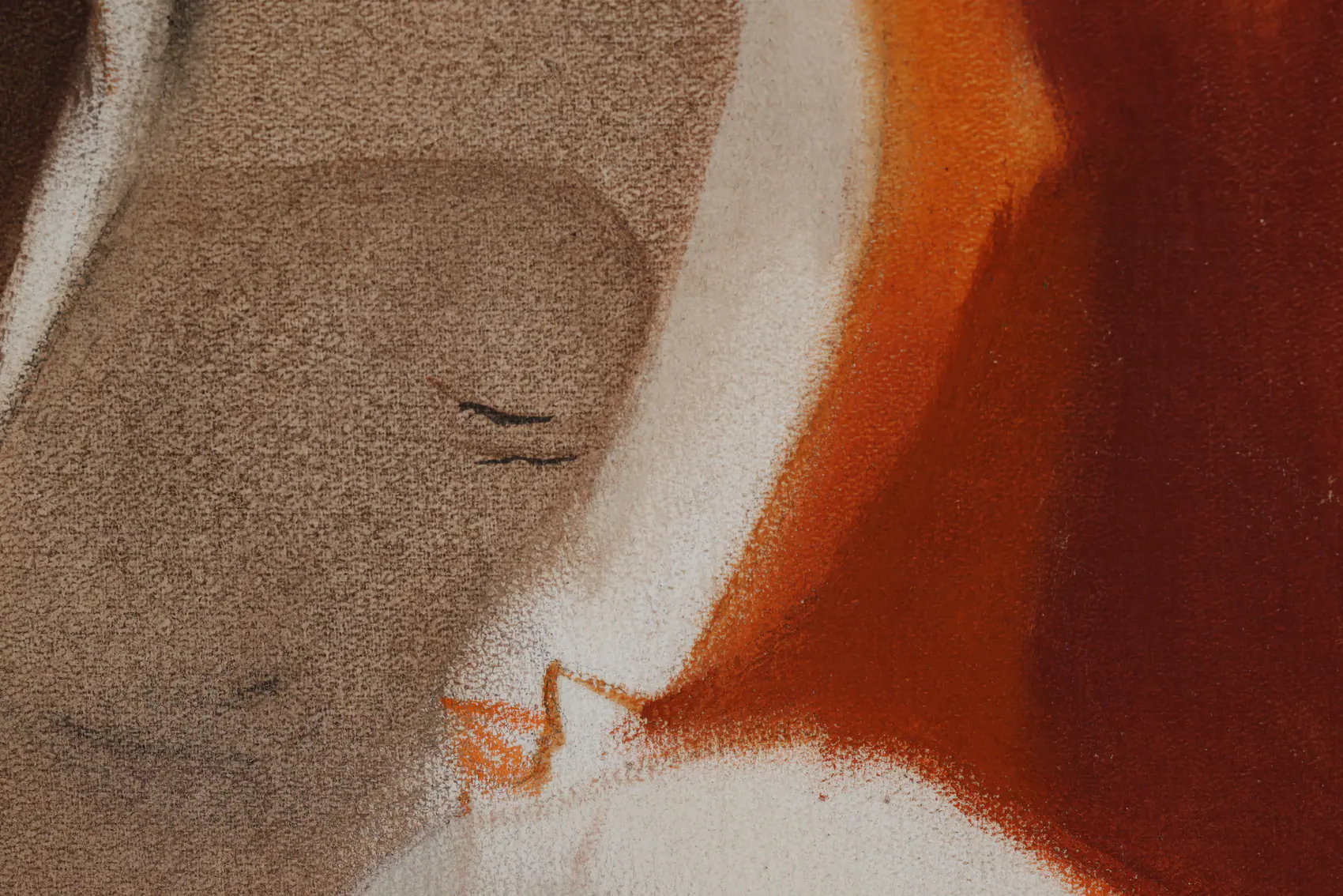
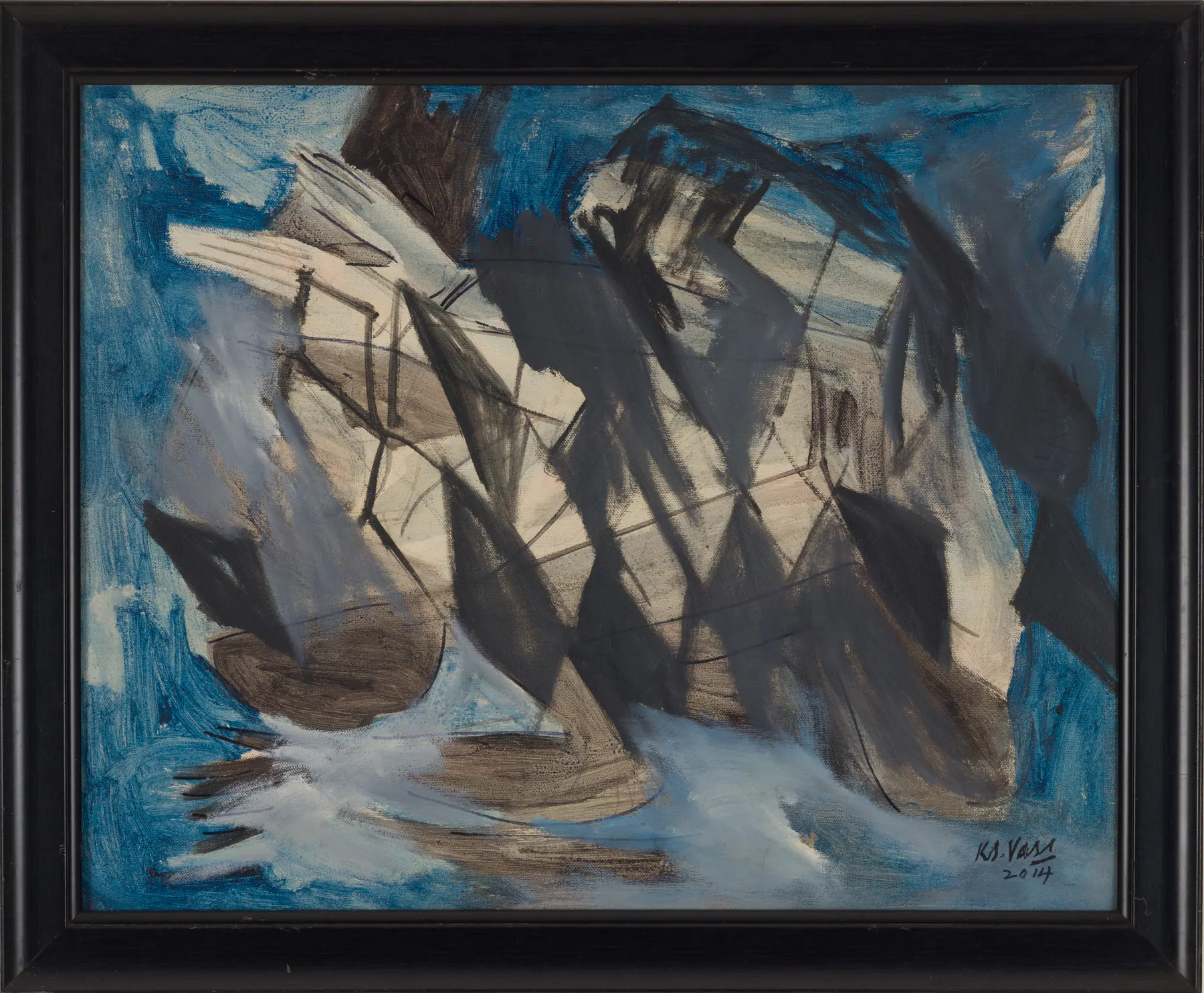
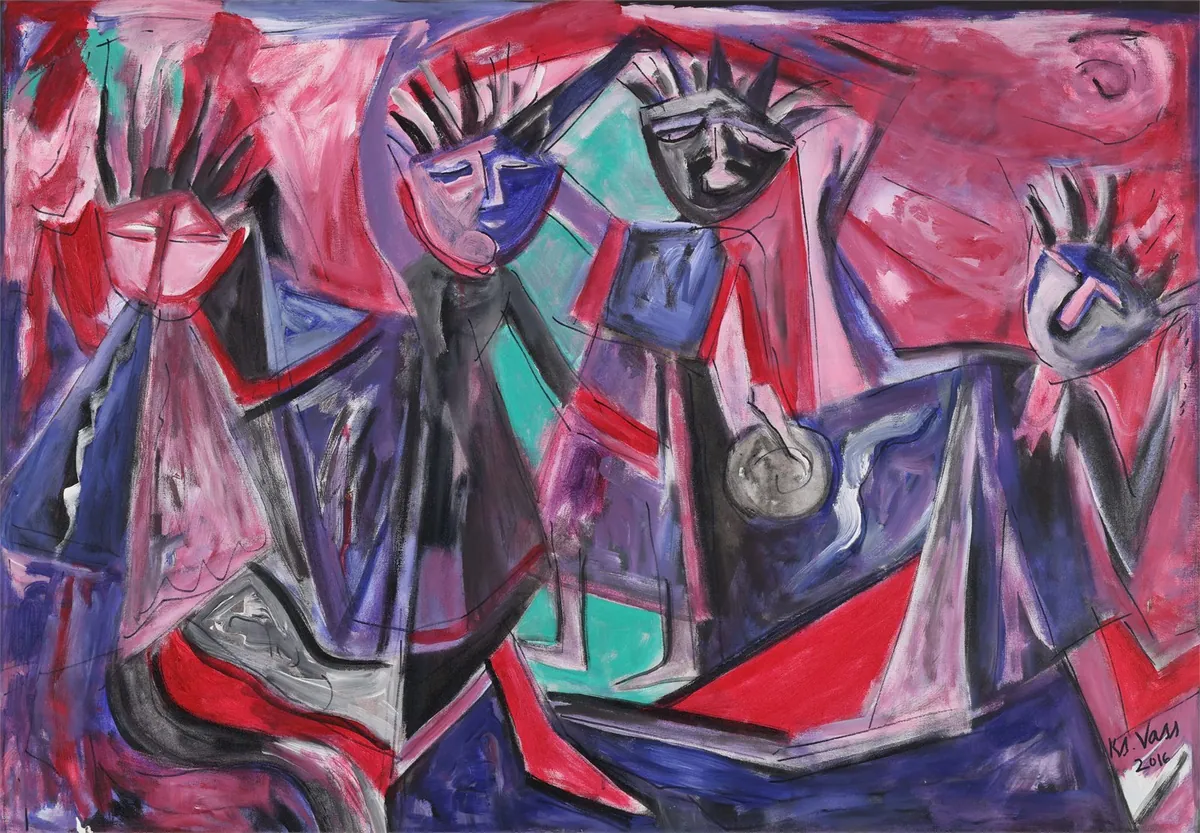
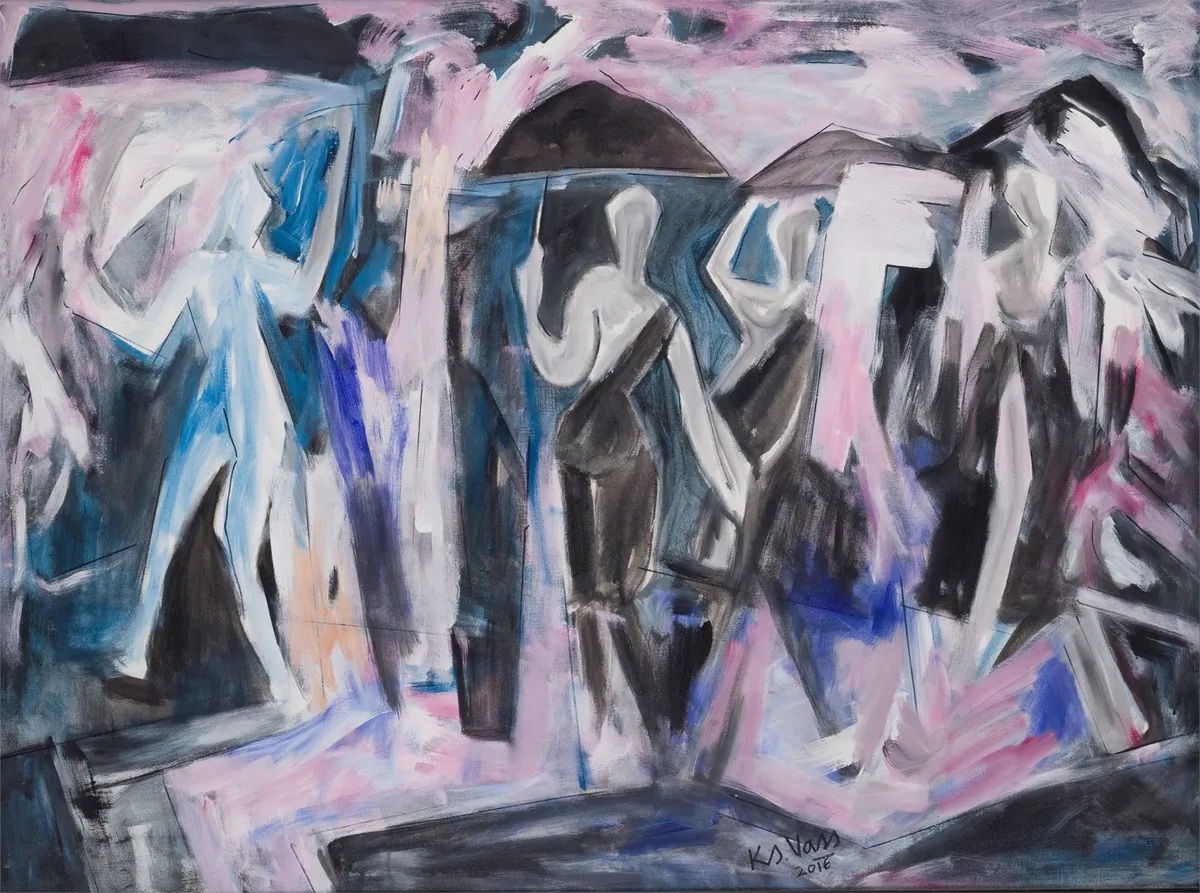
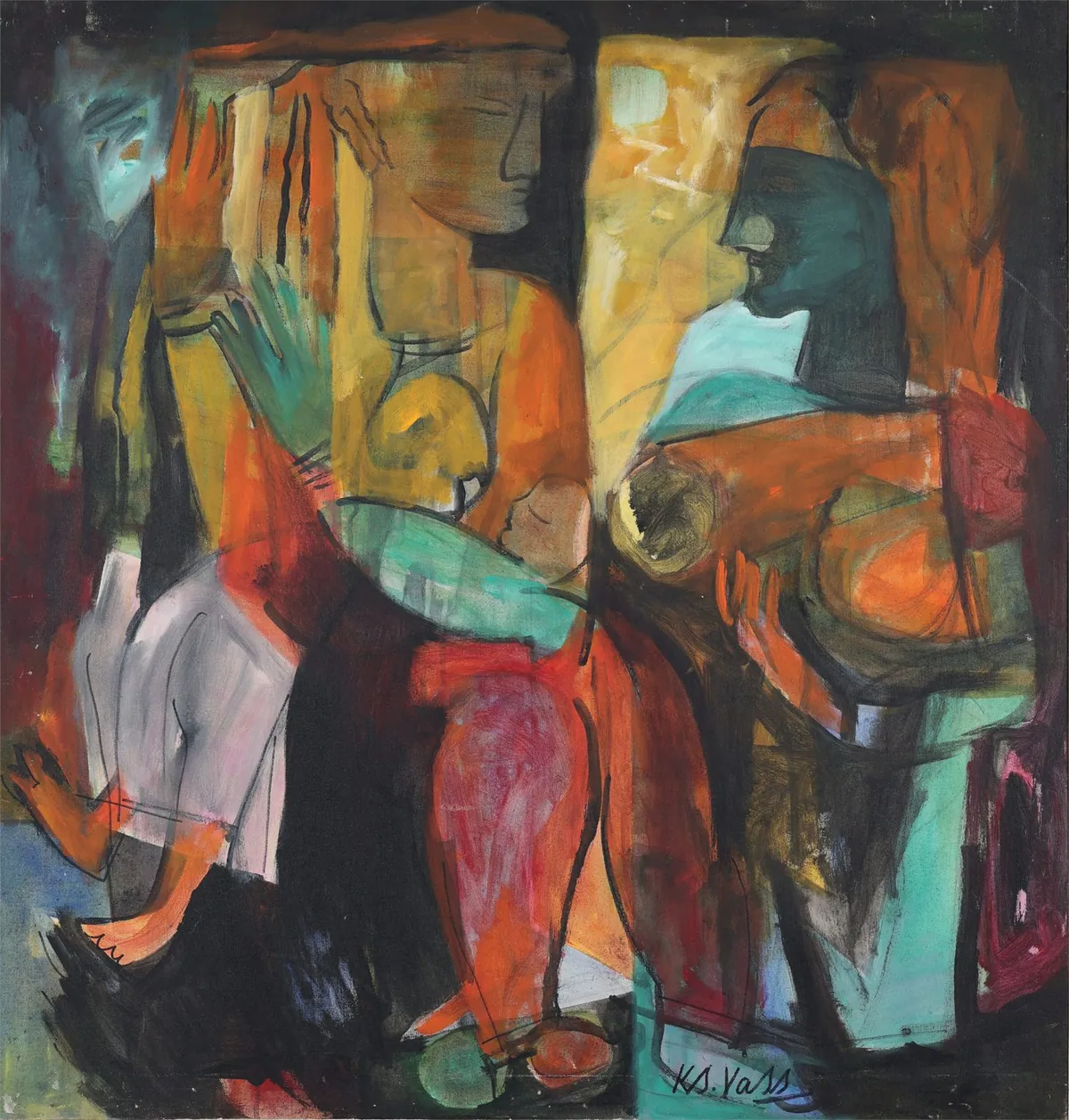
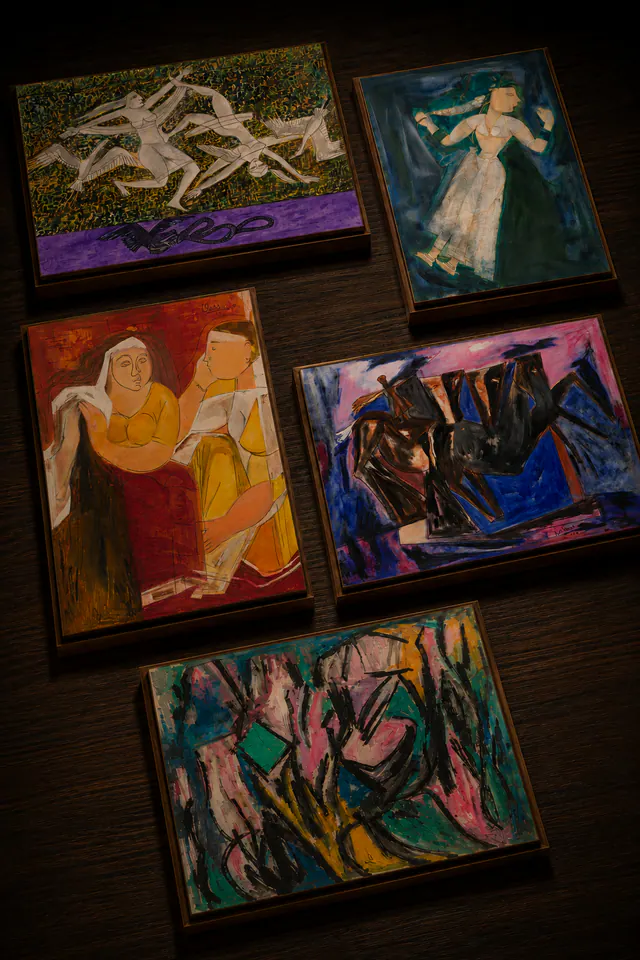
In one painting, the surface behaves like weather: figures, rooms, and colour drift toward each other without fully arriving.

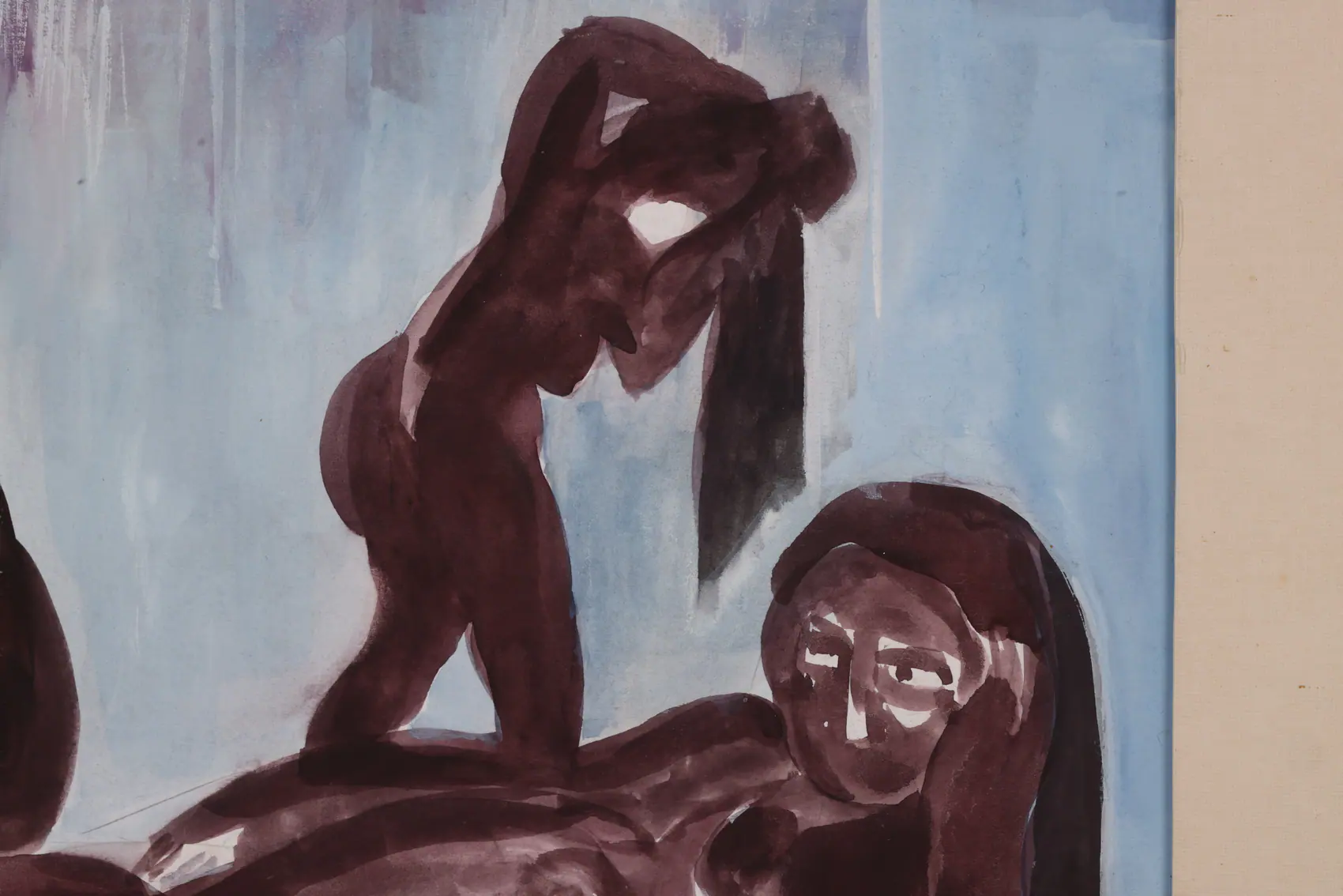
The archive begins to move as his images move, each frame carrying a different temperature of silence.

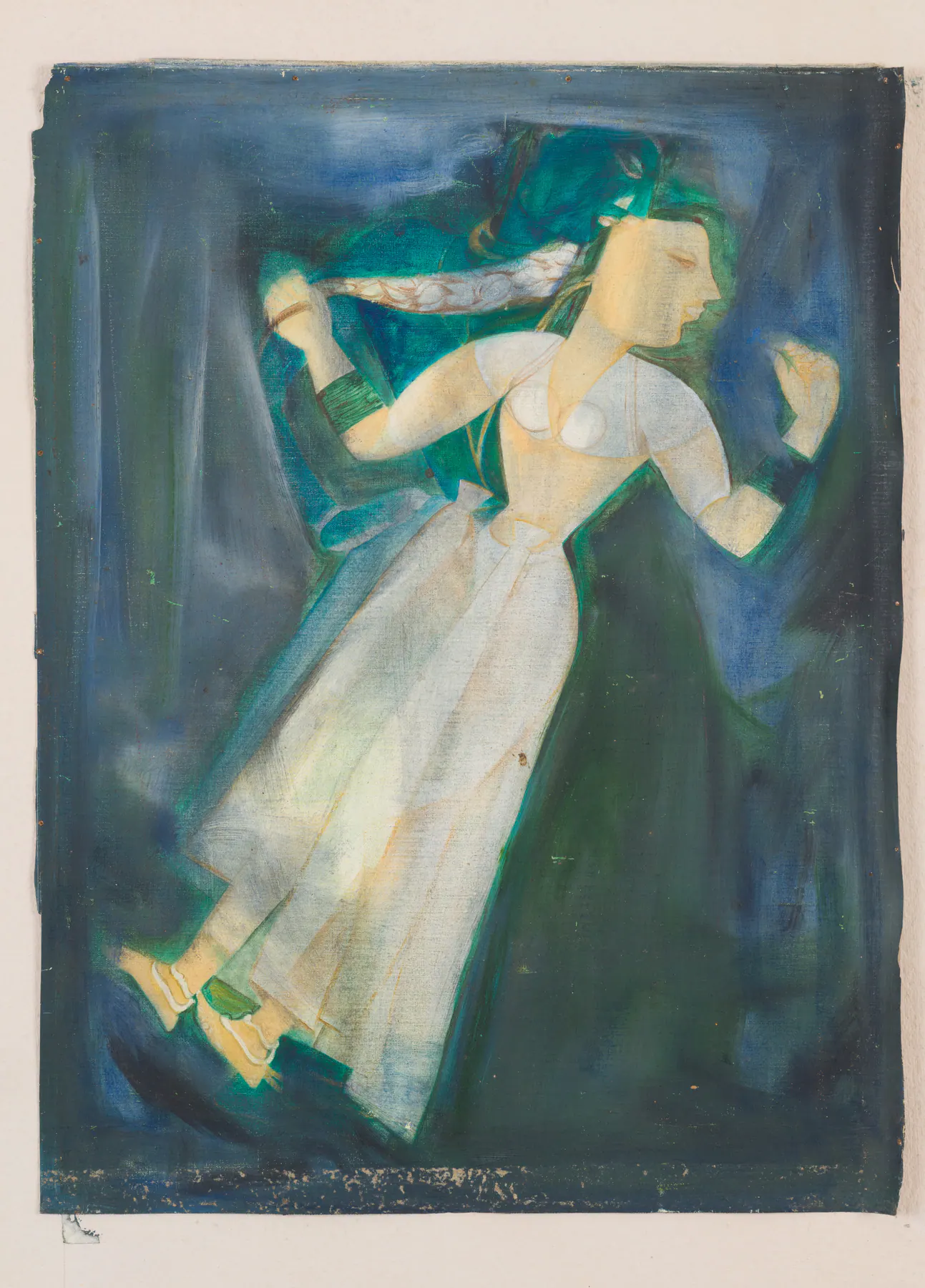
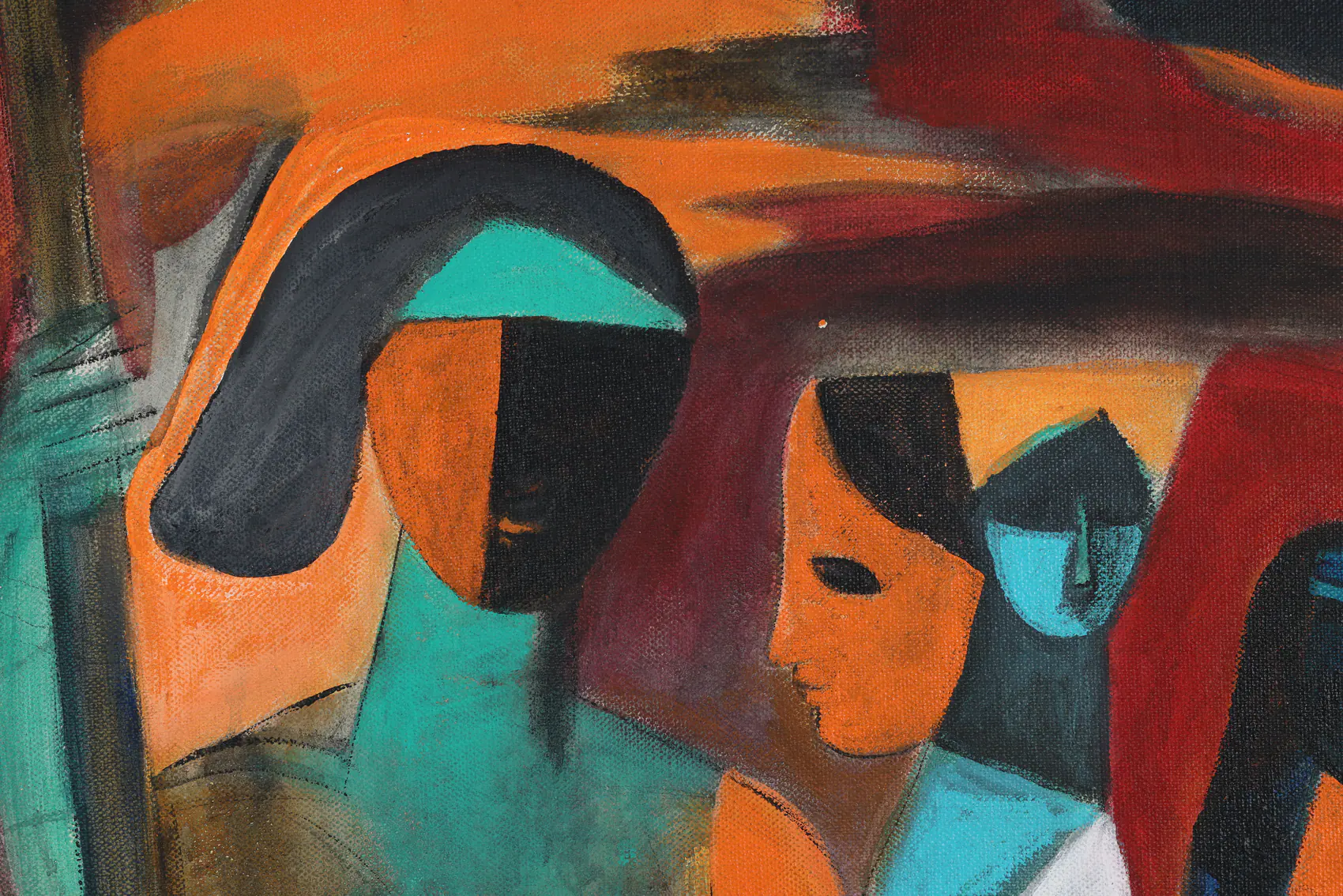
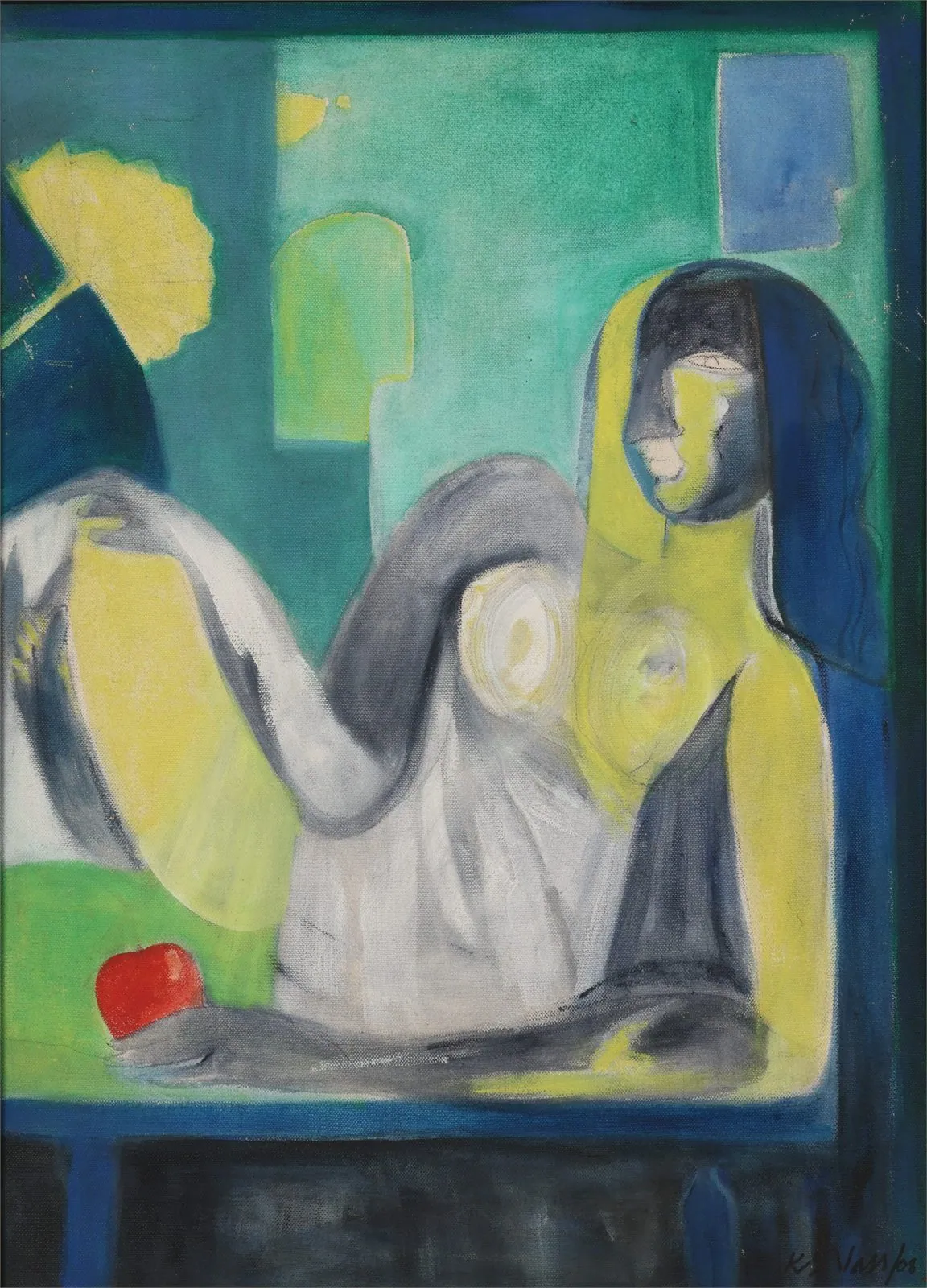
Another work opens like a memory recovered from the edge of sleep: intimate, uncertain, and quietly theatrical.

Vass lets the image remain unresolved, asking the viewer to stay with the feeling rather than solve it.

By the final image, his world feels less like a sequence of paintings and more like a room you have entered slowly.

The story continues through atmosphere: through line, shadow, colour, and the things a painting refuses to say aloud.
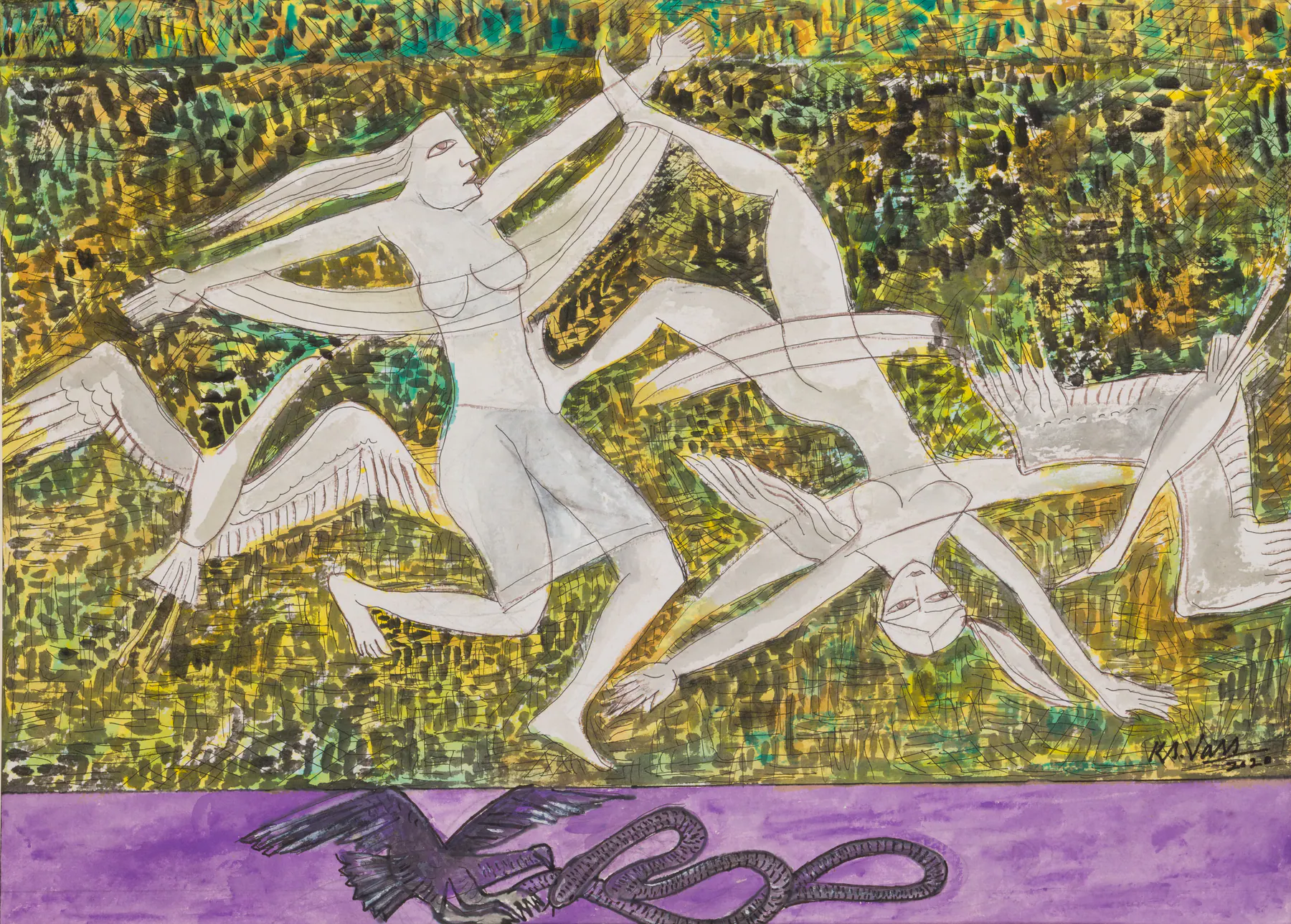
He resisted the machinery of fame, working from family rooms rather than studios, building an inner world from paint, music, craft, and ritual.

To enter this archive is to move slowly through that world: not as explanation, but as atmosphere.

K.S. Vass (1948-2024)

The man inside the atmosphere.

A quiet modernist who turned rooms, memories, and silences into painted weather.

K.S. Vass

Vass was not interested in arrival. He painted because not painting was unbearable.

His strokes were confessions, moving through myth, domestic life, loss, and the fragile theatre of memory.

Minimal in life and abundant in spirit, he chose slowness, deliberation, and depth.

His paintings do not explain. They evoke: like rain remembered from childhood, like a room after music has stopped.

For the archive, Vass offers something rare: not spectacle, but atmosphere.

His art lingers. It waits. It watches. Like dusk. Like memory. Like love.

Horizontal scroll work 1
Horizontal scroll work 2
Horizontal scroll work 3
Horizontal scroll work 4
Horizontal scroll work 5

K.S. Vass: A Pivotal Voice in Modern Indian Art History

01

Vass sits between Indian visual traditions and modern abstraction, carrying folk memory, myth, and dream into a deeply personal language.

02

European surrealism opened a door, but his work stayed grounded in Indian rhythm, miniature traditions, and the expressive line of folk art.

03

He understood modernism through feeling: figures dissolve, landscapes breathe, and colour behaves like remembered sound.

04

His work converses quietly with Indian modernists, the Progressives, and women artists who expanded the boundaries of form and expression.

05

The Andhra Jateeya Kalasala legacy of Swadeshi revival and openness to the world echoes through his practice.

06

His contribution is a quiet bridge: rooted, experimental, emotionally exact, and resistant to spectacle.

K.S. Vass painting as archive background Back to museum
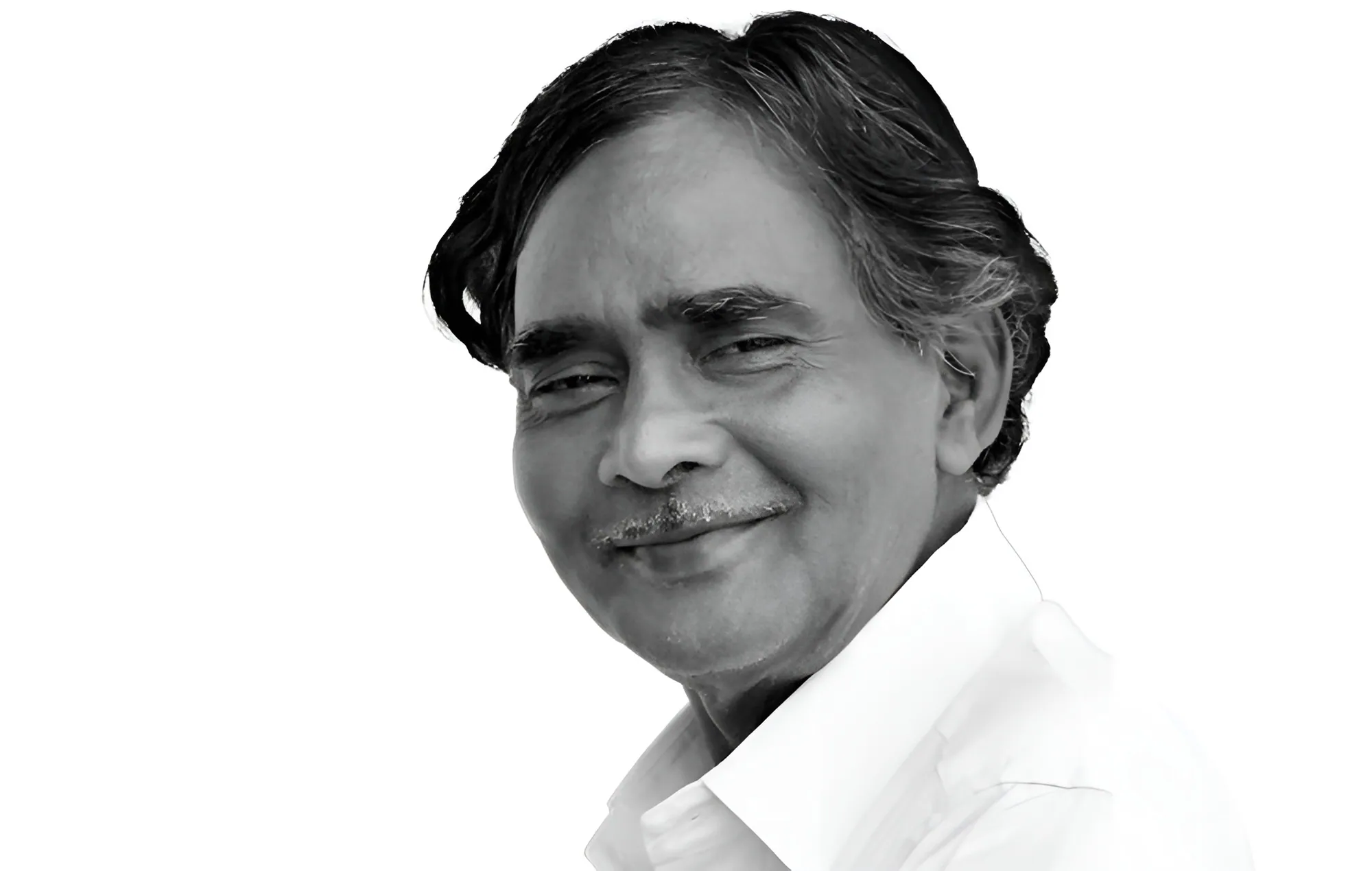
K.S. Vass

K.S.
Vass

Painter of reverie, storyteller of silence.

Enter through the painting first, then through the face. The archive begins where a background becomes a room and the artist appears as its quiet center.

K.S. Vass (1948-2024)

Painter of Reverie, Storyteller of Silence

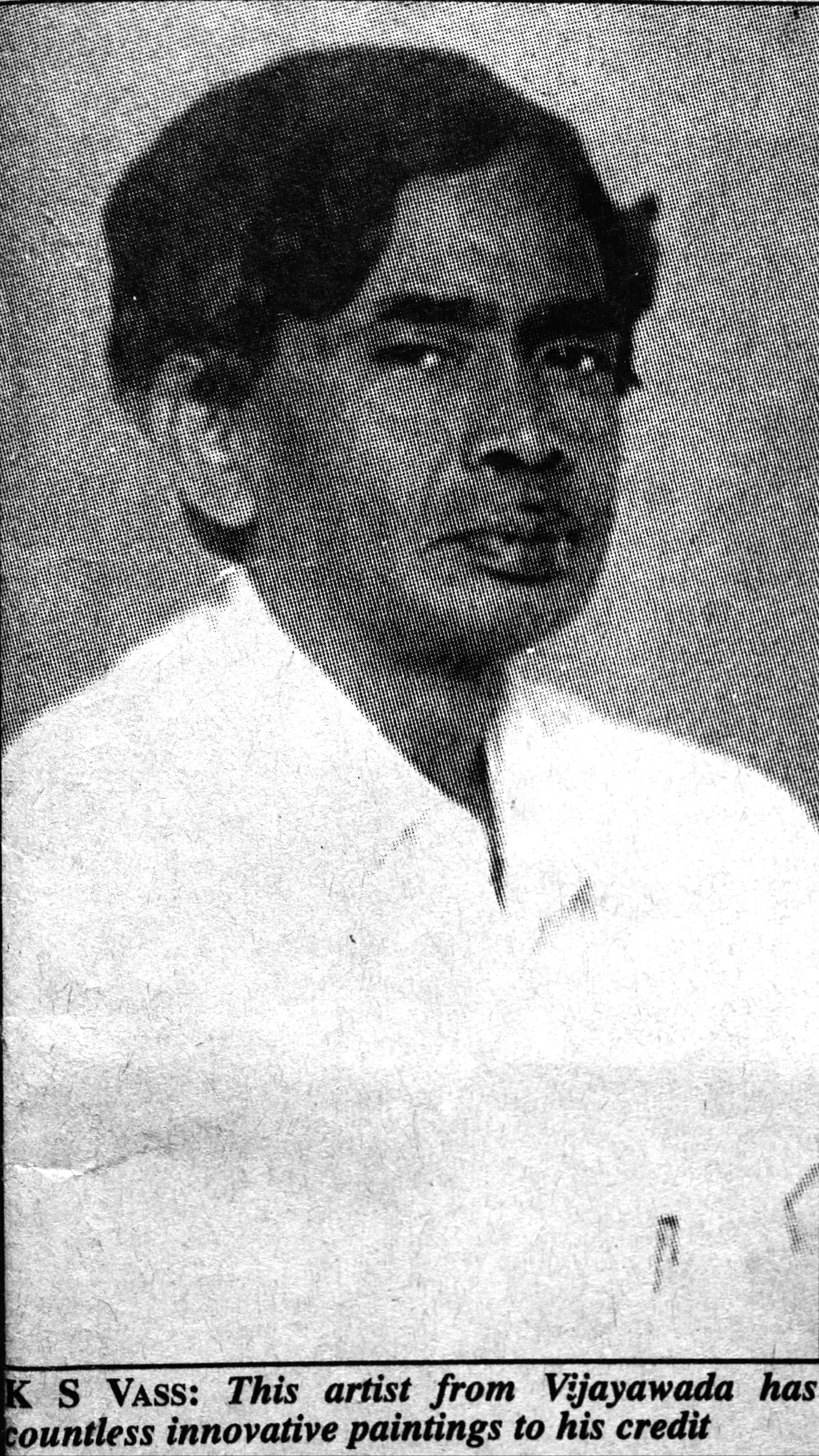
In the fevered hush of twilight, where memory brushes against myth and shadow stretches into dream, stood K.S. Vass, a singular Indian artist whose brush spoke in the hush of reverie, and whose palette was tinged with the quiet ache of emotion too large for speech. Born in 1948 in Gudivada, Andhra Pradesh, into the lineage of the distinguished artist Koppada Venugopalam, Vass emerged not as an heir, but as a rebel disciple of the soul, refusing the linearity of legacy for the terrain of the interior.

Rooted in the romantic and expressionistic traditions, Vass painted not what the eye sees but what the soul remembers in fragments: tonal, obscure, sometimes trembling with melancholy, sometimes soaring on the delicate wing of fantasy. His canvases, often semi-figurative, held an ephemeral chiaroscuro, where dusk never quite gave way to night, and figures wavered between apparition and memory. Here was a painter who understood silence not as absence, but as density, thick with longing, regret, mystery.

K.S. Vass artwork story image

Despite formal training in Fine Arts in the 1960s, Vass remained resolutely self-fashioned, his real education drawn from long stares at birdsong, from watching his father conjure portraits with pencil in public spaces, and from the music of old records drifting through small-town rooms. A quiet polymath, he built his own worlds: painting, carving, wiring lights, selecting curtain fabrics like a set designer staging the theatre of domestic life. He never owned a studio. His canvas stretched into the corners of family rooms, where art became both rebellion and retreat.

His works, displayed over decades in exhibitions across Hyderabad, Delhi, and beyond, including the hallowed walls of Salar Jung Museum and ICCR Art Gallery, bore witness to a man who refused the machinery of art markets. Though briefly seen on global platforms like Saatchi Art, he remained inaccessible in the most sacred way: uninterested in fame, unmoved by patronage, and immune to the flattering contours of commerce. Commissions bored him. Portraiture stifled him. Yet for family, who knew his silences, he conjured miracles: a portrait of Ramana Maharshi here, a brush-wish fulfilled there, in the fragile twilight of promise.

Vass's art was born of personal tremors: unspeakable losses, the haunting of a child's death, a past soaked in liquor-fuelled rage that later softened into devotion, white garments, and the monastic quietude of a man who had seen the world and chosen retreat. He loved children, dogs, plants, and his granddaughter, to whom he passed down not just technique, but tenderness. His wife held his world steady, bearing life's burdens so he could lift paint to canvas without interruption. He told bedtime stories like a bard, with voice and gestures, painting scenes in the minds of his children before he ever laid pigment on surface.

K.S. Vass Couple Sleeping painting
K.S. Vass slow montage still K.S. Vass slow montage still K.S. Vass slow montage still K.S. Vass slow montage still K.S. Vass slow montage still K.S. Vass slow montage still K.S. Vass slow montage still K.S. Vass slow montage still

If F.N. Souza's transgressions and Salvador Dali's surrealisms were distant lighthouses, Vass built his own boat, a delicate vessel of tonalities, ambiguity, abstraction, and a subdued, nearly whispering hue. His visual language was not of this era. It belonged somewhere between the weft of ancient myth and the warp of forgotten lullabies. He was, in every sense, a poet of the brush, his art an elegy to things unsaid, undone, unlived.

To witness a K.S. Vass painting is to lean into mystery. It is to feel the slow burn of memory on canvas. It is to walk barefoot across the fragile floor of someone else's dream and find, inexplicably, your own reflection.

A misfit by design, an aesthete by birth, and an artist by compulsion, K.S. Vass left behind a body of work that is at once timeless and tremulous. Art that hums with feeling, resists categorisation, and, above all, dares to believe that the quietest voice can still echo the loudest.

In the ecosystem of modern Indian art, so often clamorous with curated rebellion and commodified angst, K.S. Vass remained a subterranean current: unpublicized, unpedigreed, and yet pulsing with a voltage of feeling that eludes the sanctioned walls of galleries. His oeuvre is not easily archived. It resists chronology, flinches at curation. Each work appears as though unearthed rather than painted, like an archaeological relic of emotion: unsorted, undated, but vibrating with life.

Vass was not interested in arrival. He was not waiting for art critics to name him. He painted because not painting was unbearable. His strokes were not declarations but confessions. They wandered through myth and memory, through the fissures of domestic life, through the tear in a veshti worn thin with grief. To hang one of his paintings on a wall is not to decorate, it is to be haunted, to carry a companion who will not speak but will always be listening.

K.S. Vass After the Storm painting

Minimalist in life and maximalist in spirit, Vass wore white not as purity, but as silence. He lived without excess, but within his modest surroundings, he curated entire worlds, transforming homes into havens of subtle beauty, picking the shade of a curtain or the shape of a chair with the discernment of a Renaissance master selecting his pigments. Even his ink pen, a solitary tool in a world of digital noise, was an extension of his resistance. He chose slowness. He chose deliberation. He chose depth.

His paintings offer no answers. They resist linear narrative and singular interpretation. Like half-remembered lullabies or the taste of childhood rain, they evoke rather than declare. Figures blur into landscape, flesh becomes mist, and light becomes sorrow. There are echoes of dream-sequences, cinematic in feel, theatrical in gesture, yet always rooted in the deeply personal, the vulnerable, the emotionally real.

Perhaps it is this that makes K.S. Vass so urgently relevant today, as an artist who refused spectacle, who bore witness to his world without spectacle or self-promotion. In an age of algorithmic taste and virality, Vass's art stands like a handwritten letter: delicate, direct, meant for those willing to sit, stay, and feel.

K.S. Vass Lady with Peacock painting
K.S. Vass Dilemma painting

His legacy is not in volume, but in resonance. Not in fame, but in fidelity - to feeling, to form, to the frightened and the fragile. His life was a painting, his work a prayer, his silence a canvas.

In curatorial contexts, be it at art fairs, biennales, retrospectives, or museum exhibits, K.S. Vass offers something rare: not just artwork, but atmosphere. A mood. A murmur. A return to the essential. His art does not perform; it breathes. It does not posture; it listens. For curators seeking to showcase depth over dazzle, substance over spectacle, and feeling over form, the works of K.S. Vass are not just relevant, they are necessary.
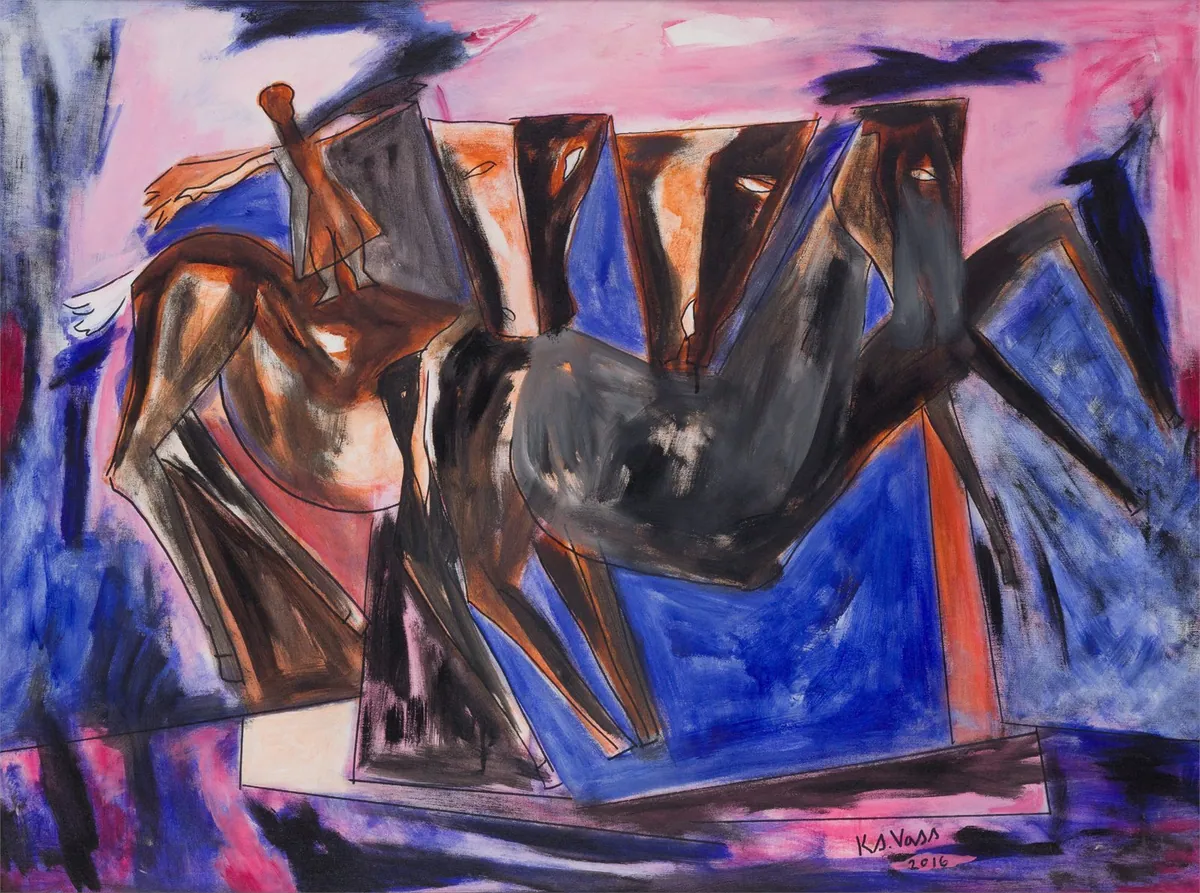
To archive Vass is to honour the invisible, to give space to the unsaid, and to make room for the kind of beauty that is not loud, but lasting. His canvases may hang in quiet corners, but they carry entire inner worlds.

And in the end, perhaps that is his greatest gift: that even in death, his art does not end. It lingers. It waits. It watches.

Like dusk. Like memory. Like love.

Short version

A note for the archive.

K.S. Vass (1948-2024)

Painter of Reverie, Storyteller of Silence

K.S. Vass, born in Gudivada, Andhra Pradesh, in 1948, was an evocative and introspective Indian artist whose work wove a delicate tapestry of memory, melancholy, and mood. Son of the eminent portraitist Koppada Venugopalam, Vass inherited not just a legacy of artistic skill but the weight of inner vision. Trained in Fine Arts, he chose the solitary road, one shaped more by emotional nuance than by formal tradition.

Vass's style defied categorisation: expressionistic, semi-figurative, and deeply personal. His paintings lived in the blurred space between dream and memory, where figures dissolved into landscape and silence spoke louder than line. Influenced by artists like F.N. Souza and Salvador Dali, he created works marked by abstraction, subdued tonalities, and a free-style treatment of surface. His was a tradition of feeling over form, an art that did not explain, but evoked.

Despite resisting the commercial art world, Vass's contribution did not go unnoticed. He was honoured with the Chitrakalaprapoorna Award from the Andhra Pradesh State Cultural Council and exhibited widely at Salar Jung Museum, Chitramayee State Gallery of Art, ICCR Art Gallery, and national platforms like Wisdom Art Society, Delhi. His paintings were also featured on international online galleries such as Saatchi Art and ArtPal, where they continue to reach a global audience.

Minimalist in life but maximalist in emotional depth, Vass lived without a studio, working instead from modest shared rooms, transforming them into sacred spaces of creation. He was a polymath: a woodworker, an aesthete, a storyteller, a nurturer. His works bear the weight of lived emotion, of grief, tenderness, silence, and awe for the natural world. They are not just visual pieces but emotional archives, each one whispering of inner worlds.

For museums, galleries, and curators seeking work of lasting introspection and formal innovation, K.S. Vass offers a legacy that is as materially rich as it is spiritually resonant. His art does not seek the spotlight, but once seen, it lingers, like twilight, like memory, like something deeply human that cannot be forgotten.

K.S. Vass: A Pivotal Voice in Modern Indian Art History

01

K.S. Vass emerges as a significant figure in Indian modern art, occupying a unique place where traditional forms, folk idioms, and contemporary visual sensibilities converged. His oeuvre reflects a deep engagement with both international and Indian art movements, making him a bridge between the global and the indigenous in post-independence Indian art.

02

Drawing inspiration from European Surrealists like Salvador Dali, Max Ernst, Joan Miro, and Rene Magritte, Vass found resonance with their quest to unshackle the subconscious and express the power of dreams and the irrational. Yet, his art was never derivative, it was deeply rooted in Indian sensibilities. Like Kandinsky, whom he admired, Vass believed in the synesthetic relationship between music and visual art, seeing painting as a form of visual music. This philosophy echoed in his abstract compositions and his exploration of rhythm, color, and form.

03

Vass's modernist outlook was informed by close observation of India's rich visual heritage. He deeply appreciated the Indian miniature traditions: Pala, Jain, Mughal, Rajasthani, and Nepali, as well as the folk arts of Bengal, particularly the bold and dynamic Kalighat paintings. These works, with their vibrant simplicity and expressive lines, inspired his search for narrative power through minimalism.

04

He was acutely aware of the artistic legacy of Indian modernists such as Gaganendranath Tagore, Jamini Roy, K.G. Subrahmanyan, Ramkinkar Baij, and the Progressives: F.N. Souza, S.H. Raza, M.F. Husain, Tyeb Mehta, and others. He was equally attuned to the contributions of women artists like Amrita Sher-Gil, Arpita Singh, and Anjolie Ela Menon, whose work pushed the boundaries of gender, form, and expression.

05

Importantly, Vass was also shaped by the pedagogical legacy of the Andhra Jateeya Kalasala in Machilipatnam, which blended Swadeshi ideology with artistic revivalism. This institution nurtured many artists who looked inward to India's heritage while remaining open to global influences, an ethos mirrored in Vass's own practice.

06

Through his synthesis of abstract modernism, classical Indian aesthetics, and folk iconography, K.S. Vass not only carved a distinctive visual language but also contributed to the intellectual and cultural discourse of Indian art in the 20th century. He stands as a testament to how rootedness and experimentation can coalesce to produce timeless and evocative work.

Archive of Regard

The record around the quiet modernist.

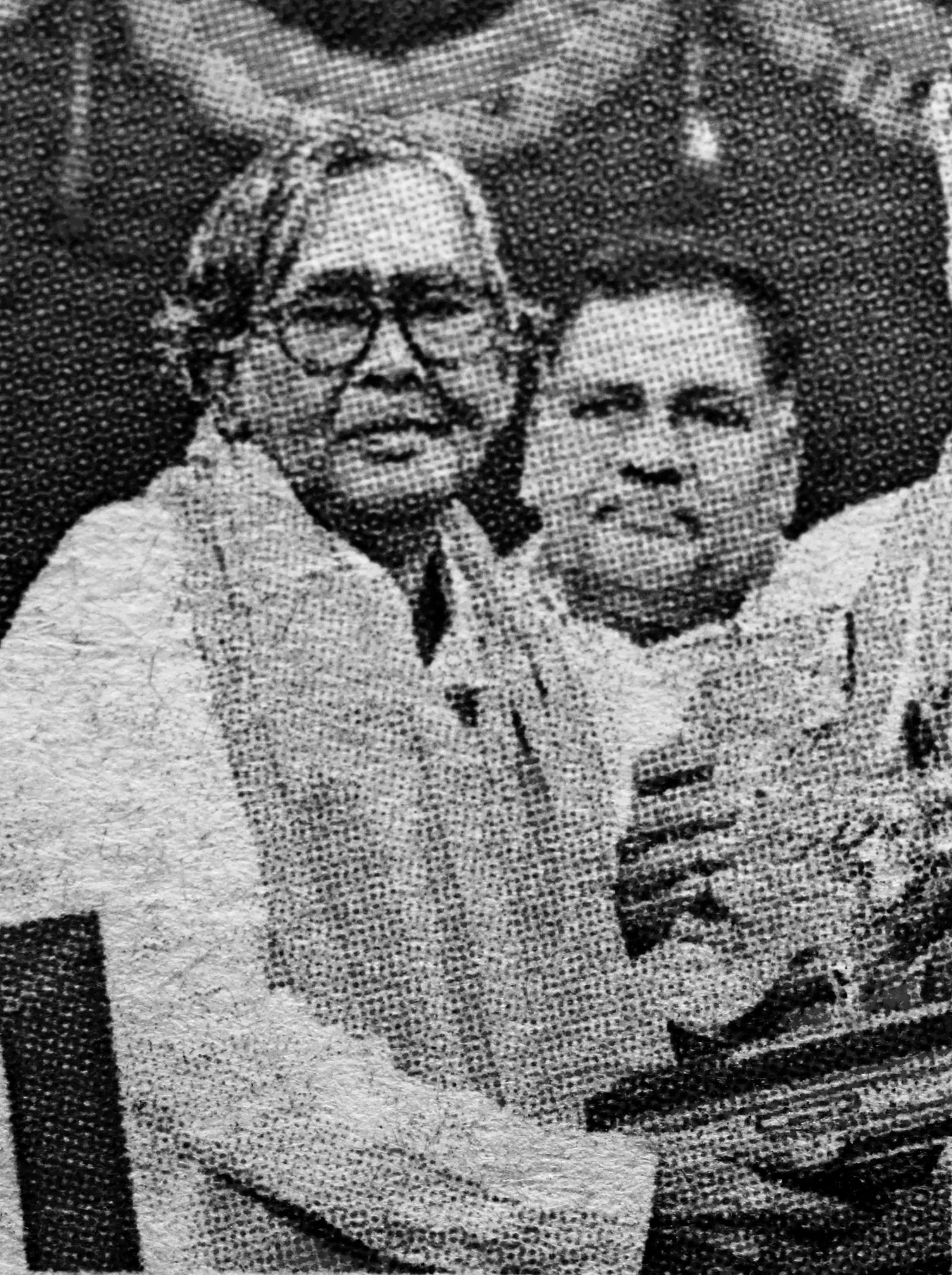
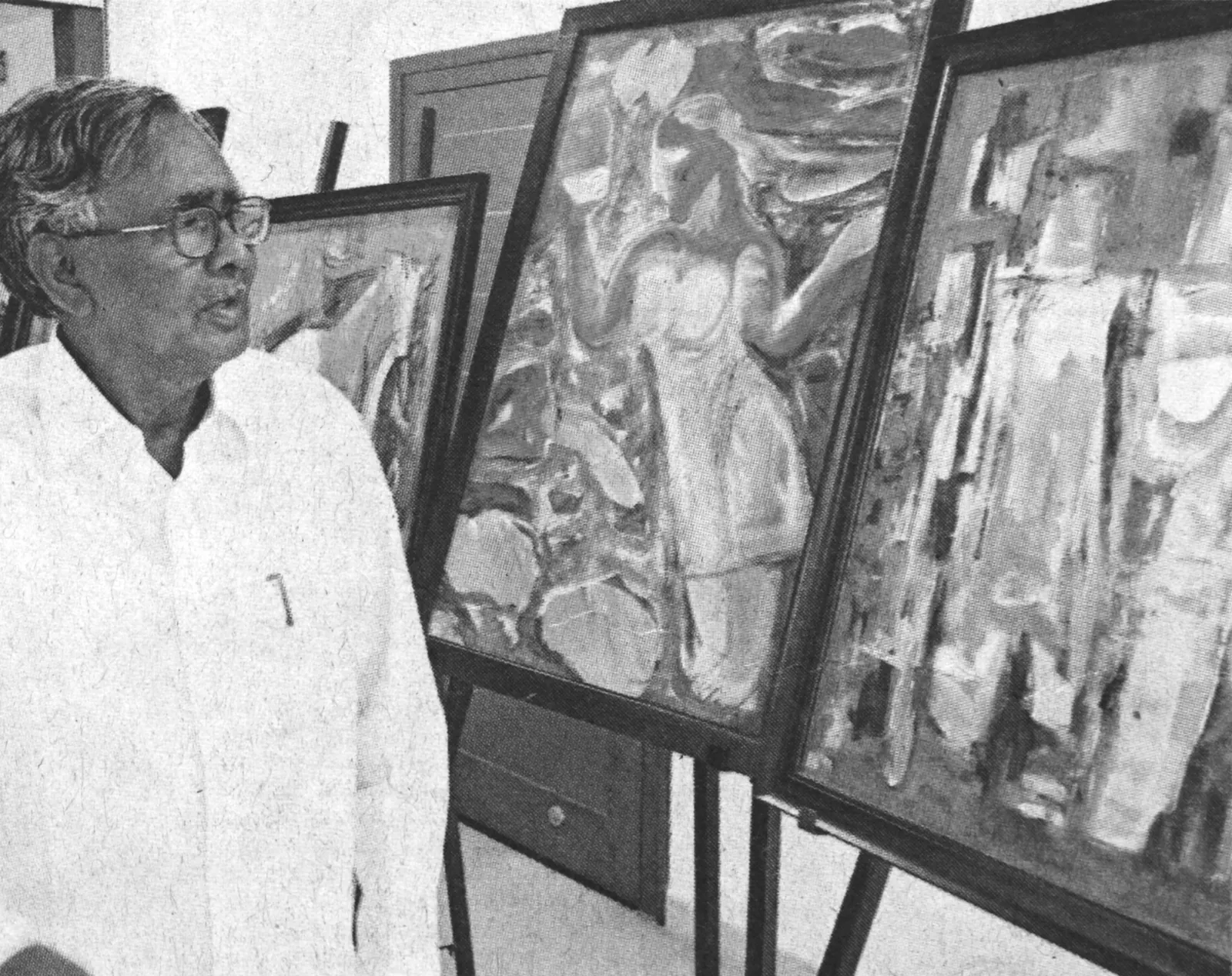
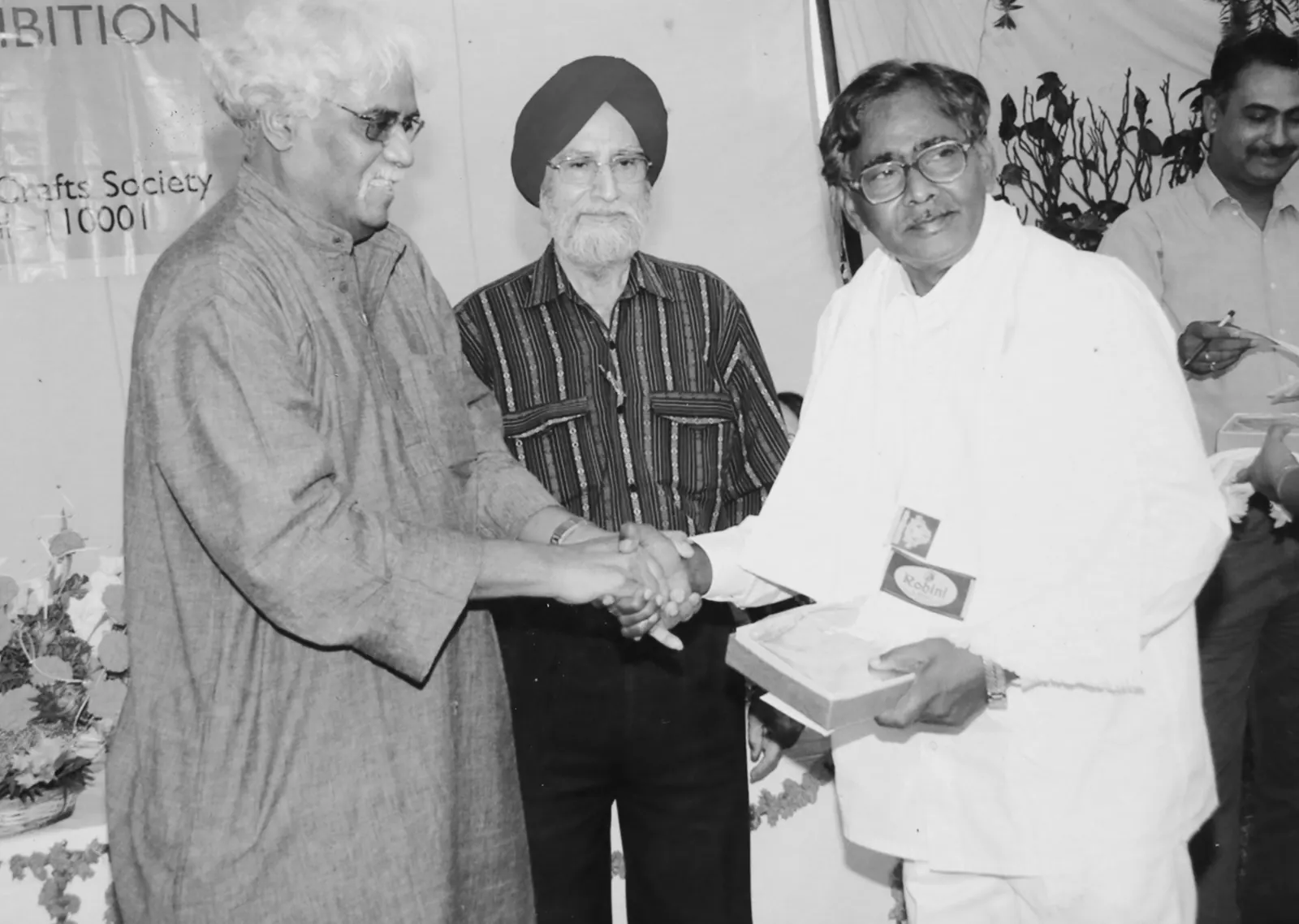
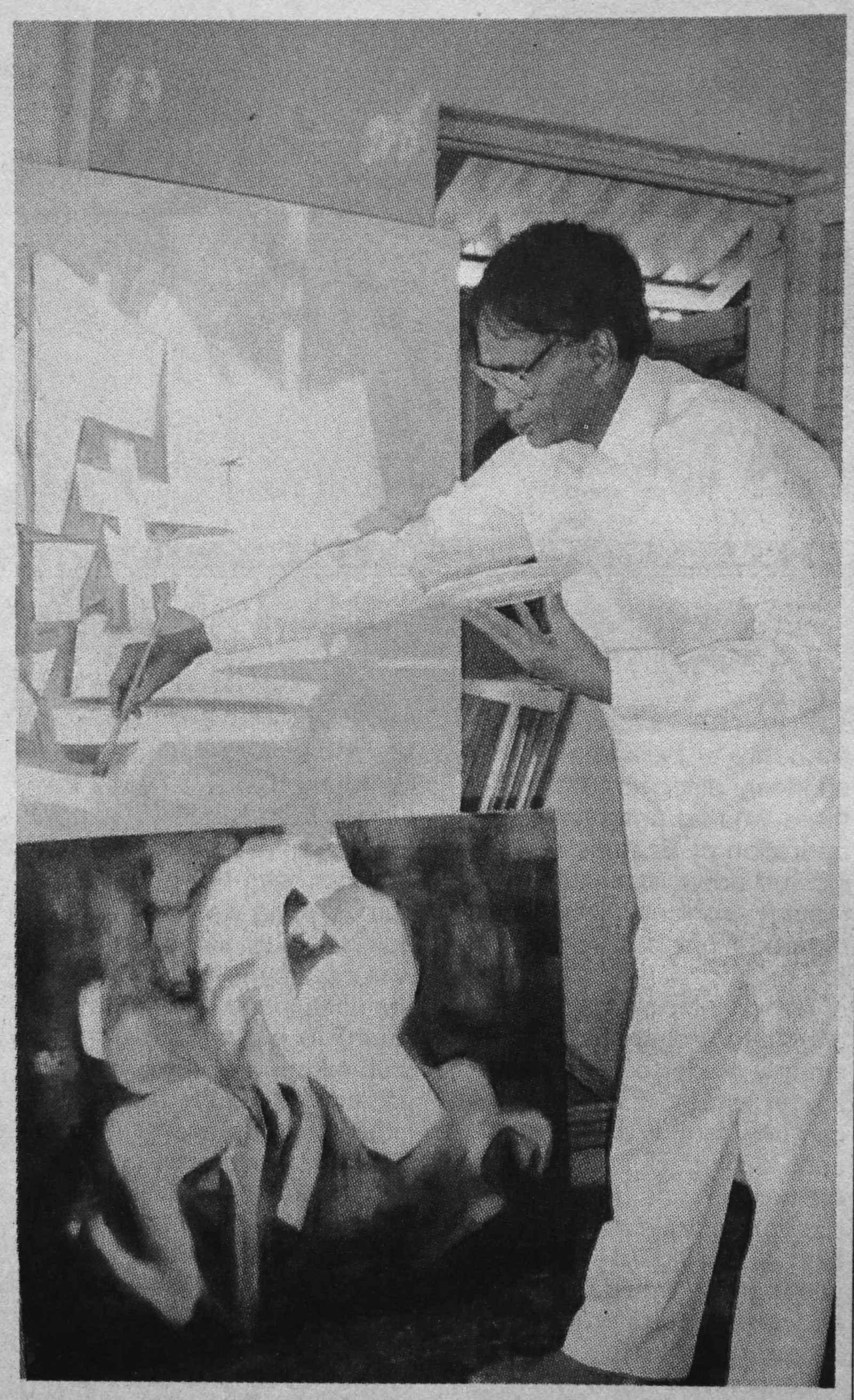
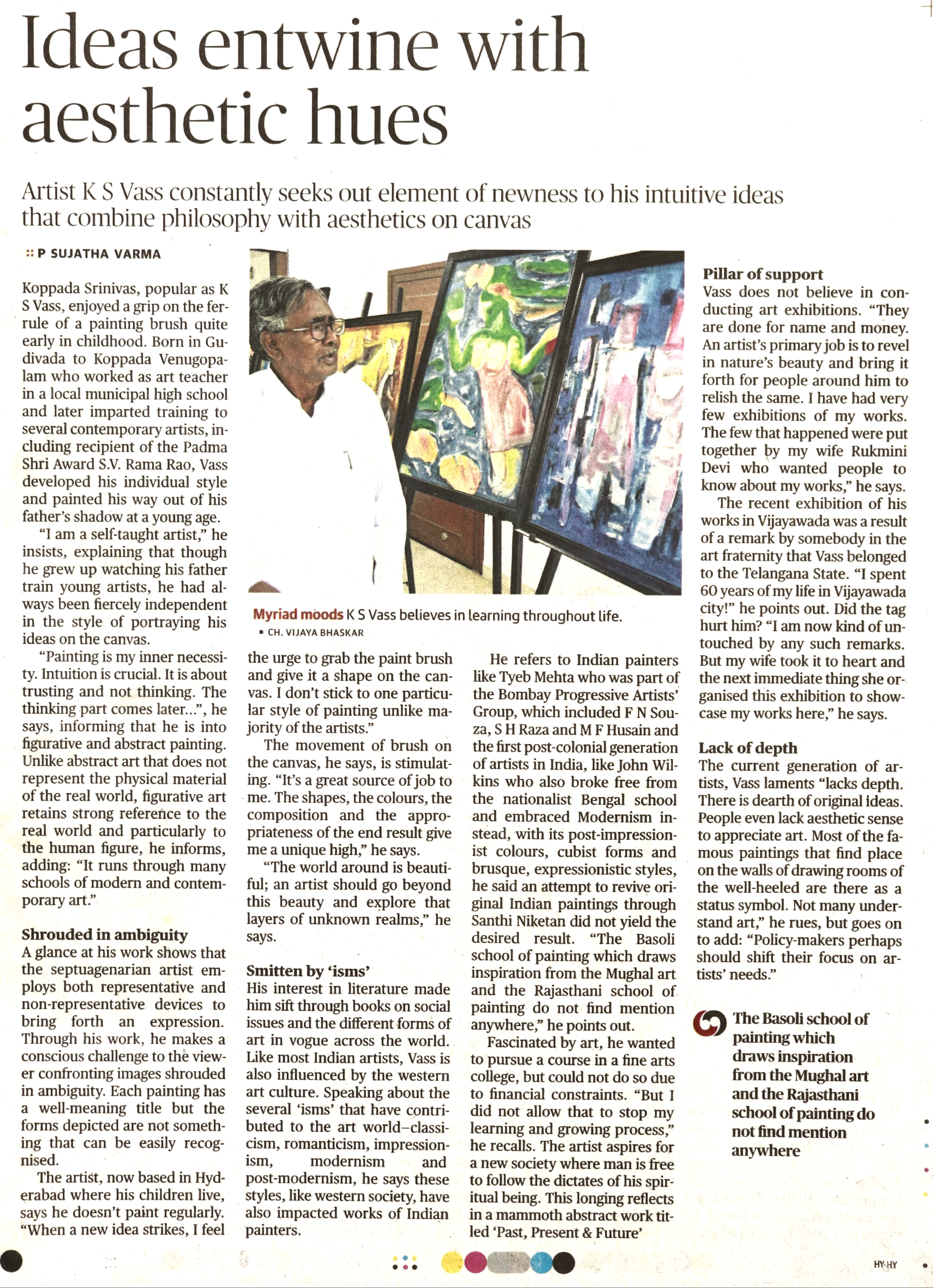
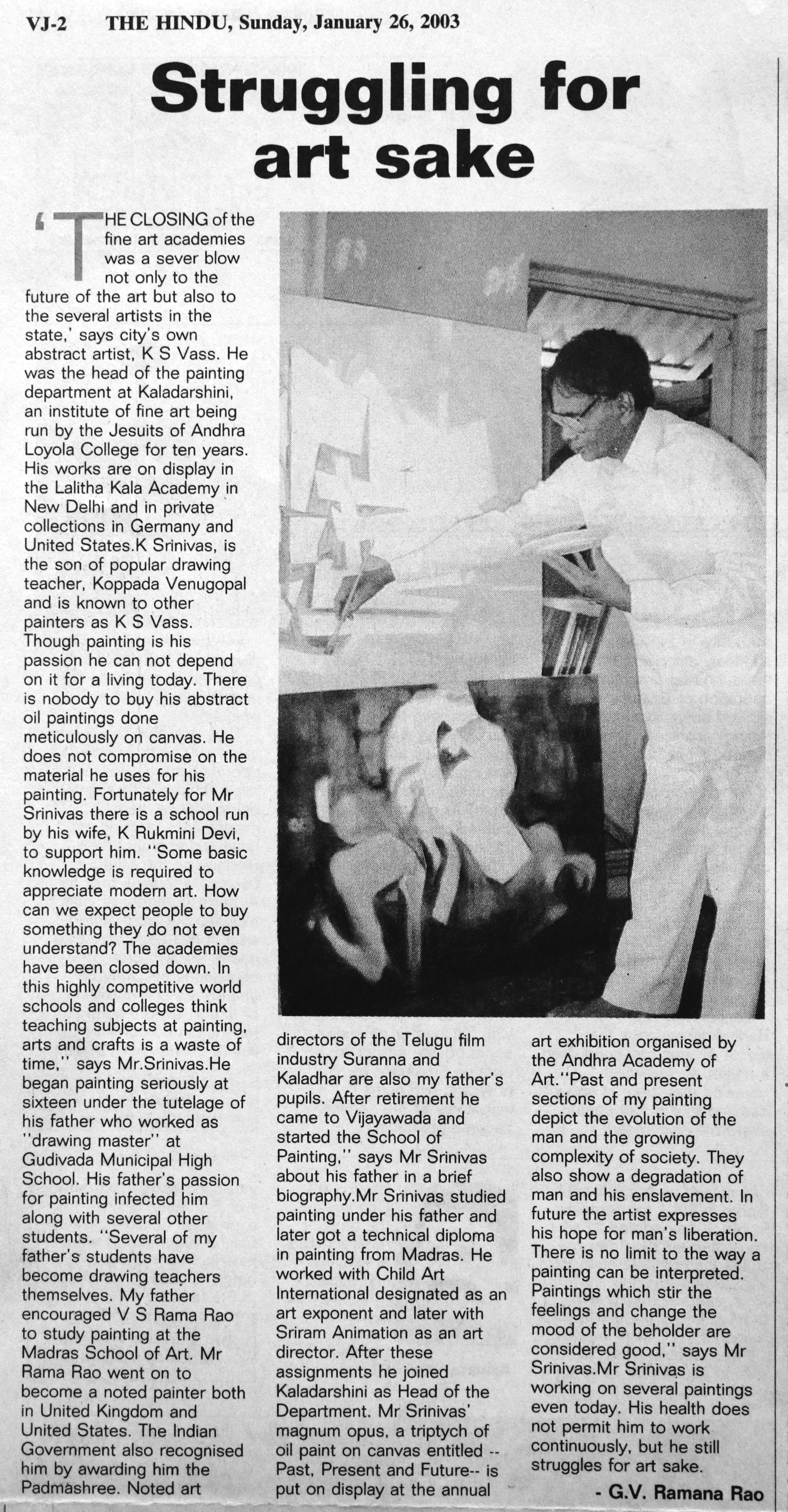
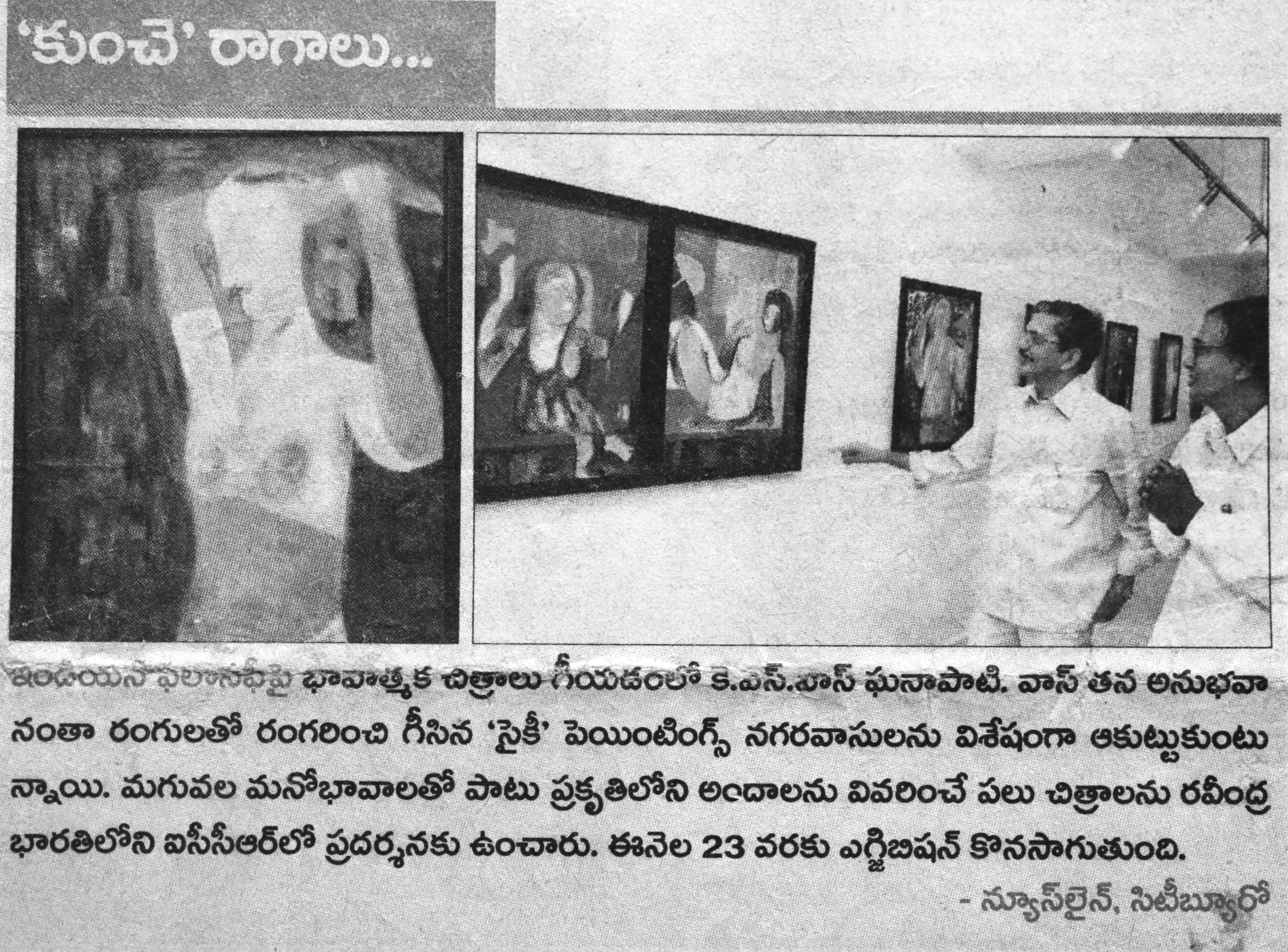
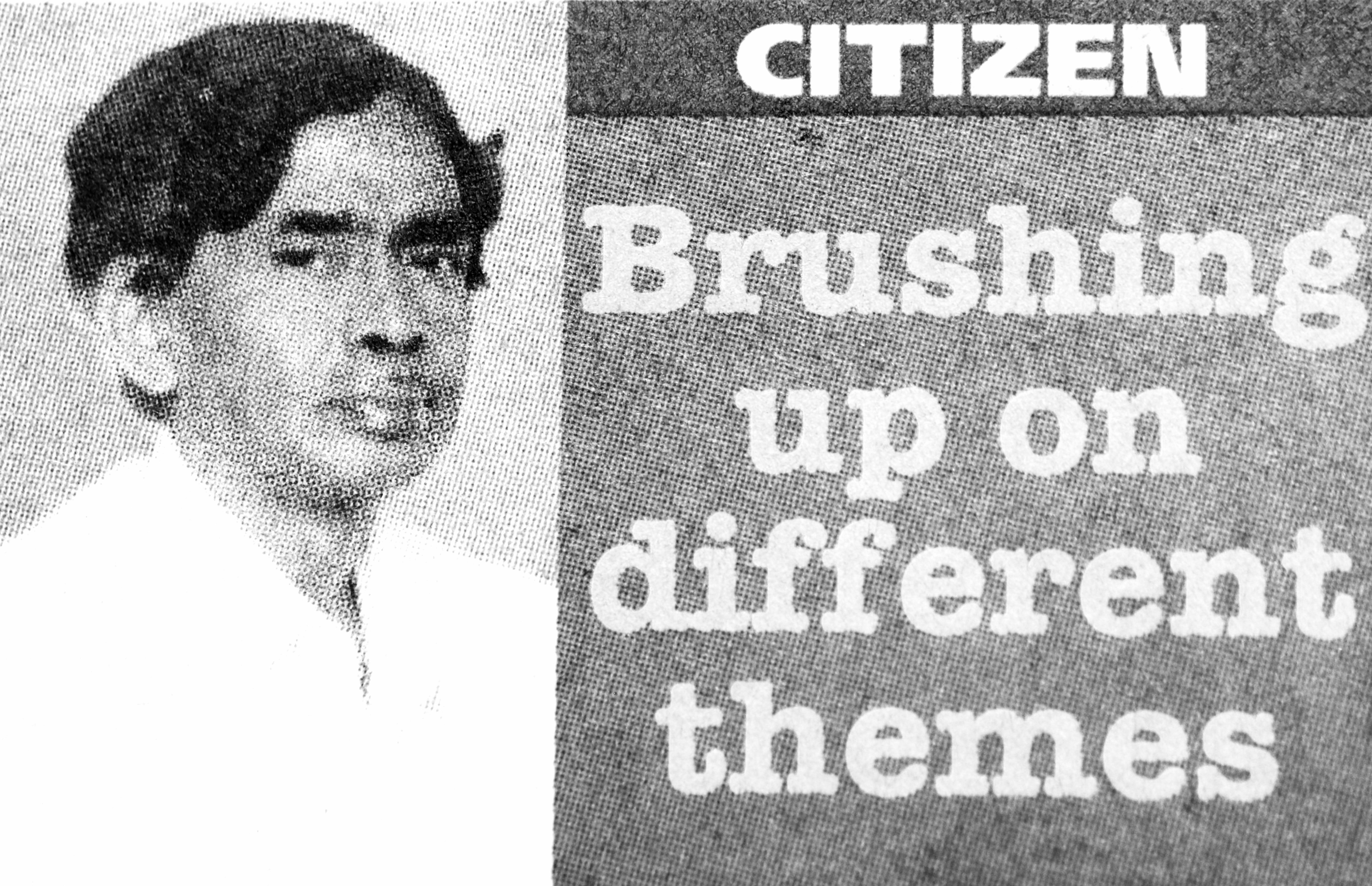
Newspaper clippings, institutional letters, critic essays, awards and exhibition records build the public dossier around K.S. Vass: an artist who worked quietly, but not invisibly.

1968first recorded awards
50+years across teaching, practice, exhibitions
2010AIFACS Veteran Artist honour
2018Kalaratna (Hamsa) Award

"Romantic by nature, Vass wove a web of reverie, melancholy and fantasy."

Her essay frames Vass as an artist of mood rather than style: half-hidden, half-revealed, built from line, colour, imagination and insight.

K. Rukmini DeviWriter, Spirit of K.S. Vass

"A deeply introspective brooding artist poking the authoritarian dictates of society."

Reddy reads his practice as uncompromising, literary, philosophical and intensely self-directed.

B. Padma ReddyArtist, writer and founder of Sanskriti Rural Art Centre

"An integration of image, imaginary and imagination."

Gadapa places Vass inside southern Indian modernism, where figuration, abstraction and ambiguity coexist.

Anand GadapaArt historian and critic, JNAFAU Hyderabad

"His creative journey has brought many thoughts and concepts."

AIFACS recognised Vass as a Veteran Artist in 2010, noting both his figurative originality and non-figurative movement.

Prof. Paramjeet SinghChairman, All India Fine Arts & Crafts Society
All India Fine Arts and Crafts Society message recognising K.S. Vass
1968-1976

Early public recognition

Awards and highly commended honours from Chitra Kala Parishad, L.I.C. Employees Fine Arts Association, Andhra Academy of Arts, Damerla Ramarao Art Gallery and Chitrakala Samsad.

1969

A.P. Lalit Kala Academy purchase award

An institutional purchase award placed his practice inside the regional art record early in his career.

2008

Hyderabad Art Society award

A later award that marked his return to painting and public exhibition after years of teaching and commercial work.

2010

Veteran Artist honour, AIFACS

All India Fine Arts & Crafts Society recognised his continuous creative work and honoured him as Veteran Artist.

2013

Looking Beyond at Salar Jung Museum

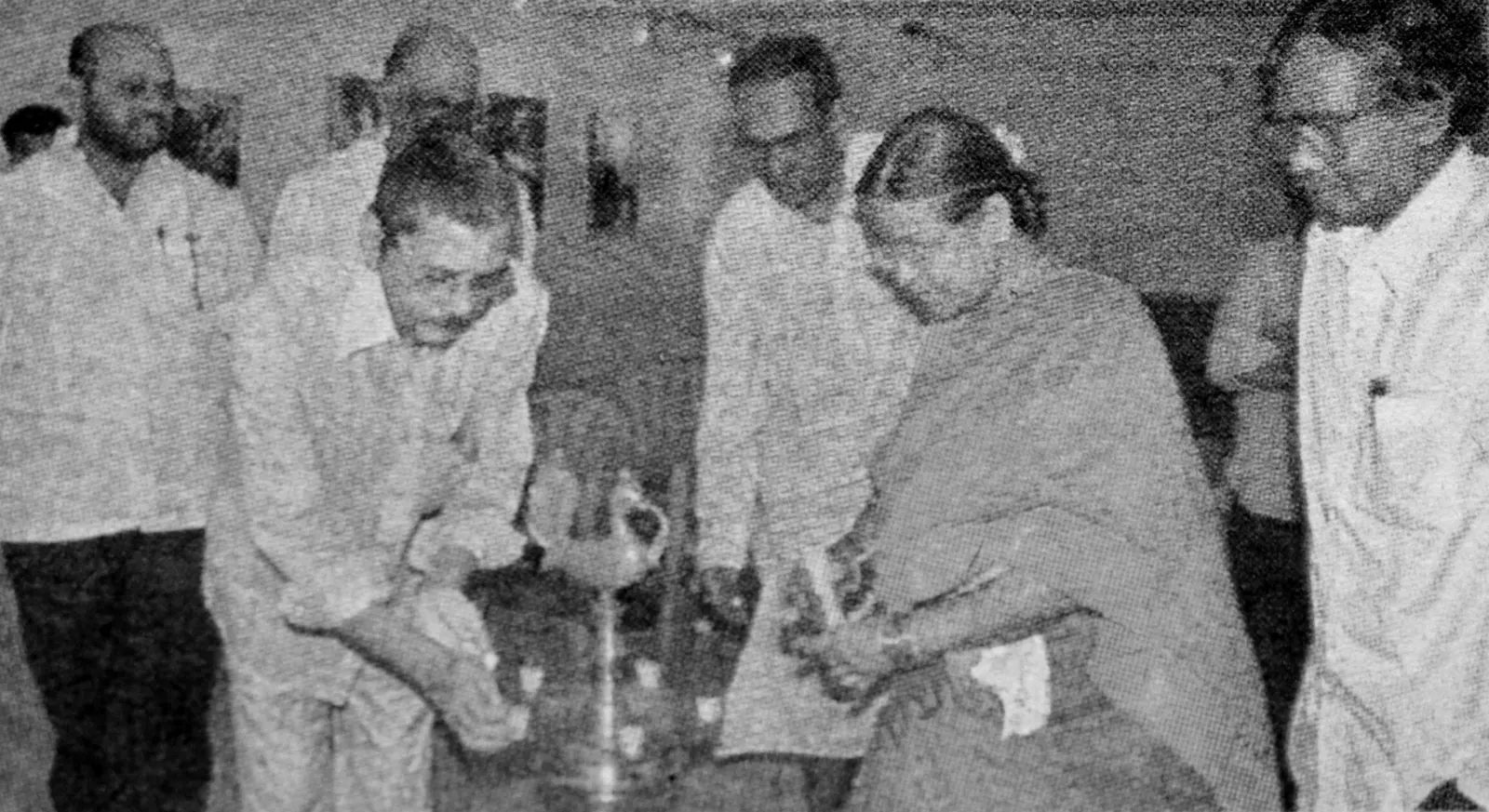
A major solo exhibition in Hyderabad, opened by museum director Dr. A. Nagender Reddy.
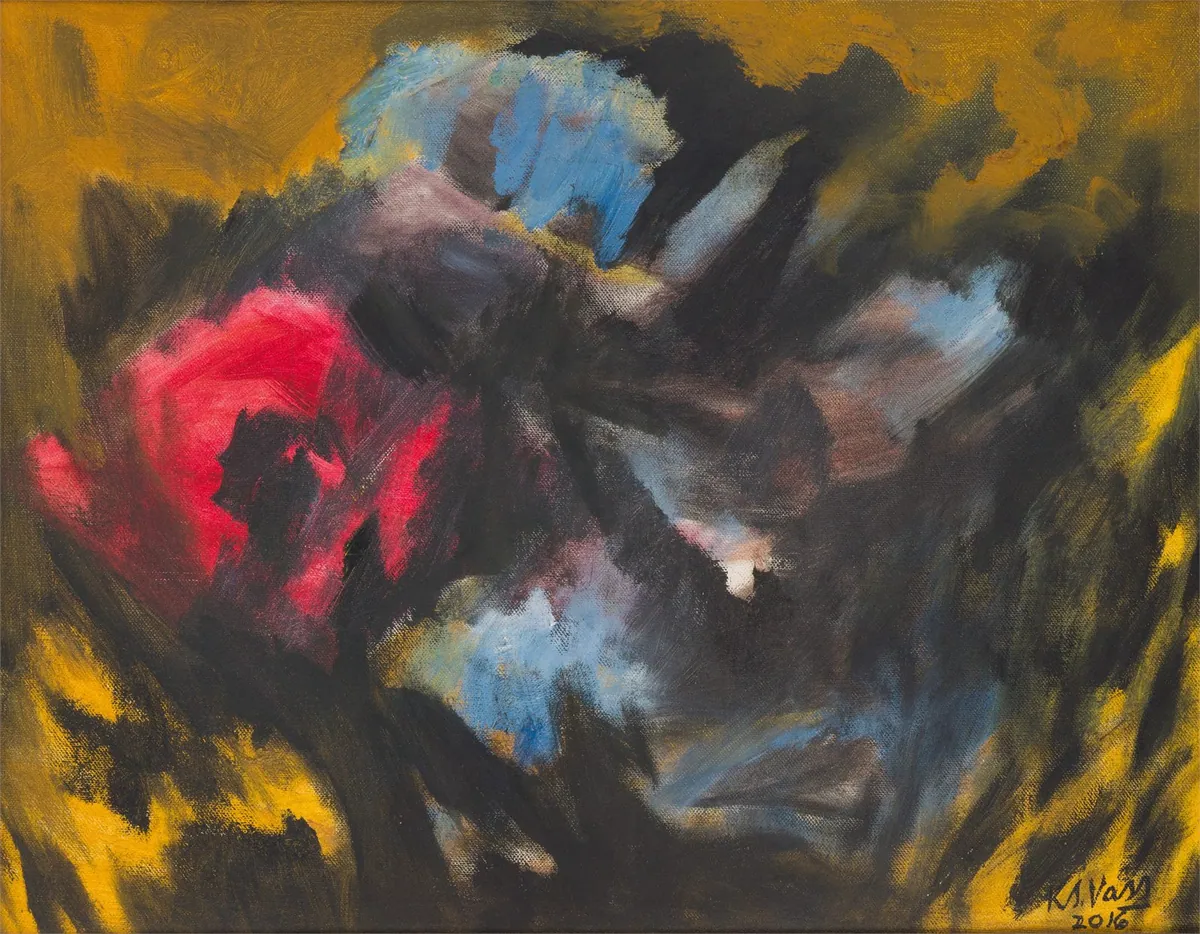
2018

Kalaratna (Hamsa) Award

Presented by the Government of Andhra Pradesh during Telugu New Year celebrations.

Selected awards
  • 1968: Highly Commended Award, Chitra Kala Parishad, Visakhapatnam.
  • 1968: Award, L.I.C. Employees Fine Arts Association, Machilipatnam.
  • 1968: Award, Andhra Academy of Arts, Vijayawada.
  • 1969: Purchase Award, A.P. Lalit Kala Academy, Hyderabad.
  • 1969: Award, Damerla Ramarao Art Gallery, Andhra Pradesh.
  • 1969: Highly Commended Award, Andhra Academy of Arts, Vijayawada.
  • 1971: Highly Commended Award, Andhra Academy of Arts, Vijayawada.
  • 1972: Award, Damerla Ramarao Art Gallery, Andhra Pradesh.
  • 1975: Award, Andhra Academy of Arts, Vijayawada.
  • 1976: Award, Chitrakala Samsad, Machilipatnam.
  • 1976: Award, Andhra Academy of Arts, Vijayawada.
  • 2008: Award, Hyderabad Art Society, Hyderabad.
  • 2017: Sir Acharya Varada Venkataratnam Puraskar, Rajahmundry Chitrakala Niketan.
  • 2017: Excellence Award, Artizen Art Gallery, Delhi.
  • 2018: Excellence Award, Lokayata Art Gallery, Hauz Khas, Delhi.
  • 2018: Kalaratna (Hamsa) Award, Government of Andhra Pradesh.
Selected solo shows
  • 1975: One-man show, Nehru Balabhavan, Hyderabad.
  • 2007: Solo show, Andhra Academy of Arts, Vijayawada.
  • 2008: One-man show, Chitramayee Government Art Gallery, Hyderabad.
  • 2008: Solo show, I.C.C.R. Art Gallery, Kalabhavan, Hyderabad.
  • 2013: Looking Beyond, Salar Jung Museum, Hyderabad.
  • 2017: Solo exhibition curated by Santanu Roy, Hotel Hindustan International, Kolkata.
  • 2017: Blithe Spirit, Malaxmi Art Gallery, sponsored by Department of Language & Culture, Government of Andhra Pradesh.
  • 2018: One Man Show, Malaka Spice, Jubilee Hills, Hyderabad.
Selected group shows
  • 2006: Group show, Andhra Academy of Arts, Vijayawada.
  • 2010: 8th All India Veteran Artists Honour and Exhibition, AIFACS, New Delhi.
  • 2012: All India Contemporary Art Exhibition, Wisdom Art Society, New Delhi.
  • 2012: 4th World Telugu Mahasabhalu, Government of Andhra Pradesh.
  • 2014: Group show, I.C.C.R. Art Gallery, Hyderabad.
  • 2015: Group show, Rajamahendravaram, Godavari Pushkaram.
  • 2016: Telugu New Year group show, Vijayawada.
  • 2017: Artizen Art Gallery, Pearey Lal Bhavan, Delhi.
  • 2017: Rajahmundry Chitrakala Niketan.
  • 2018: Lokayata Art Gallery, Hauz Khas, Delhi.
Professional record
  • 1968-1976: Attended numerous art exhibitions and received awards and recognition.
  • 1972-1976: Art Exponent, Child Arts International, Hyderabad; trained tribal children in painting.
  • 1976-1982: Artist, Vijayawada Bottling Company.
  • 1990-1998: Head of the Department of Painting, Kaladarshini, Andhra Loyola College, Vijayawada.
  • 1990-2012: Secretary and Correspondent, Rose Bud Public School, Vijayawada.
  • From 2008: Vice-President, Andhra Academy of Arts, Vijayawada.

Painted Rooms

Rooms where the paintings breathe.

A considered selection of K.S. Vass paintings is arranged here for close viewing. Open a work to study its cover, supporting details, year, medium, dimensions, and a focused reading before moving toward its purchase page.

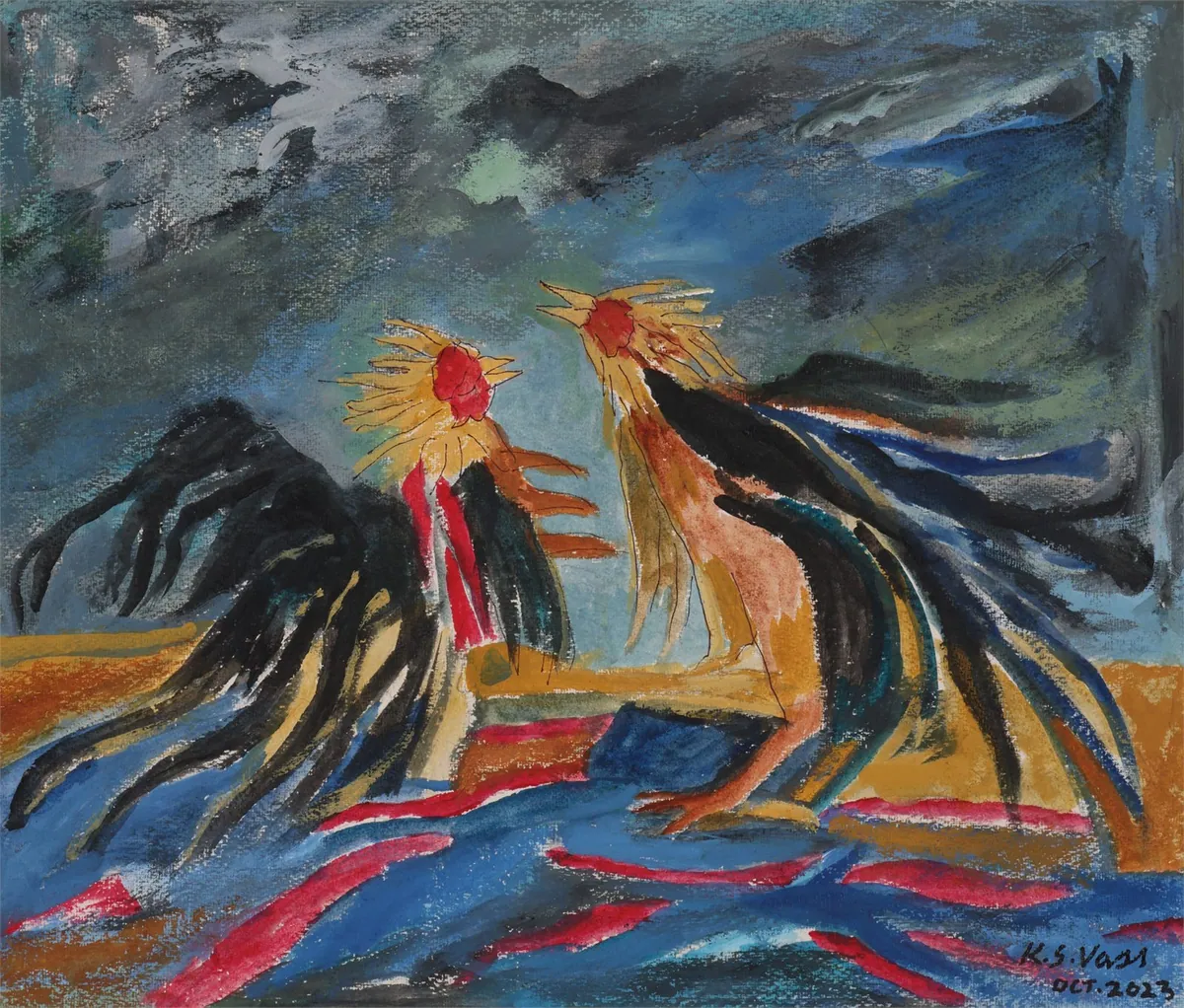
Cock Fight by K.S. Vass

01 / 2023

Cock Fight

Medium
Acrylic on Paper
Size
20.5IN x 17.7IN
Enter painting
Enki Naidu Bava by K.S. Vass

02 / 2023

Enki Naidu Bava

Medium
Acrylic on Canvas
Size
24IN x 30IN
Enter painting
Music Food of Love by K.S. Vass

03 / 2023

Music Food of Love

Medium
Acrylic on Canvas
Size
21IN x 30IN
Enter painting
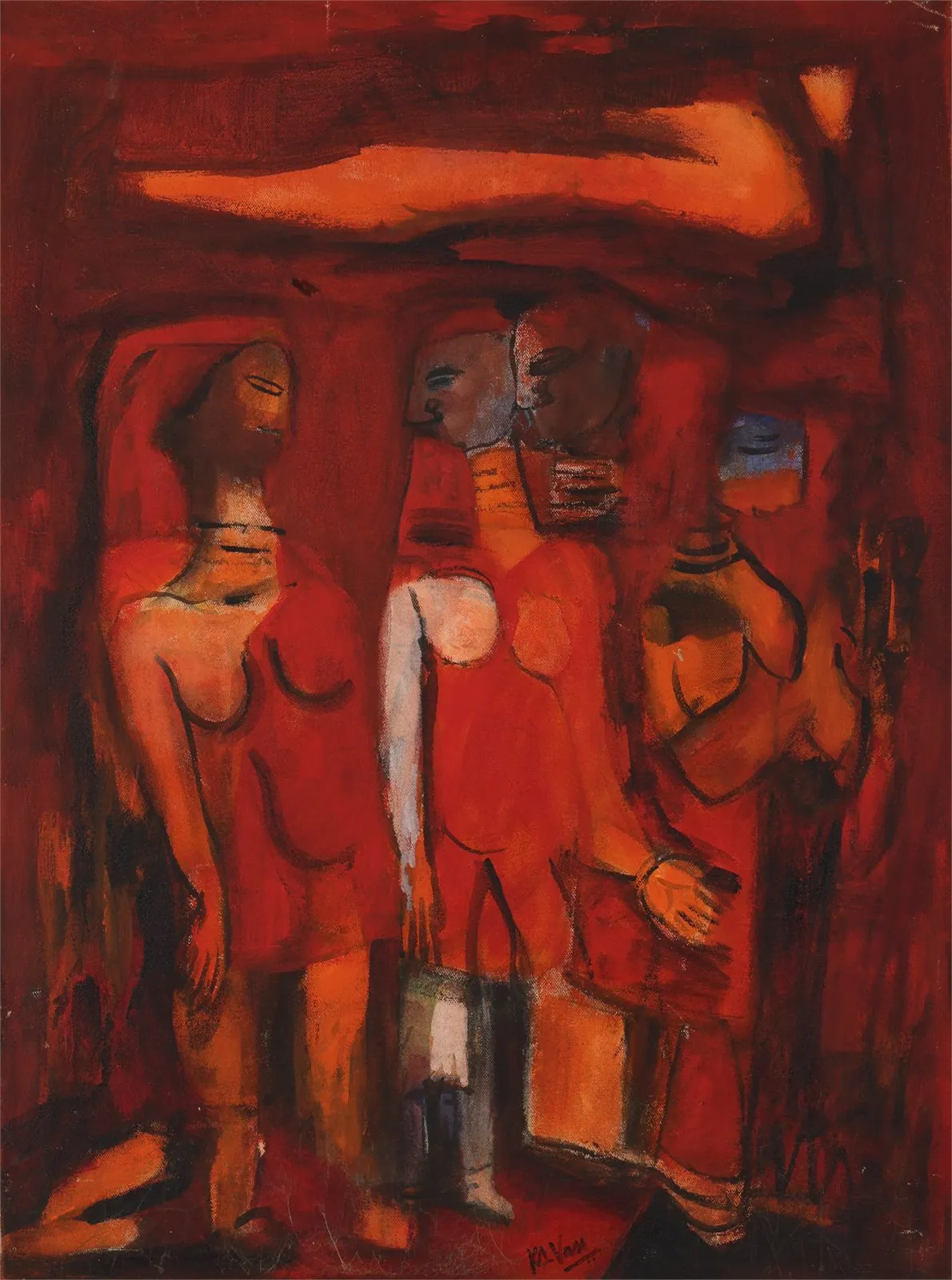
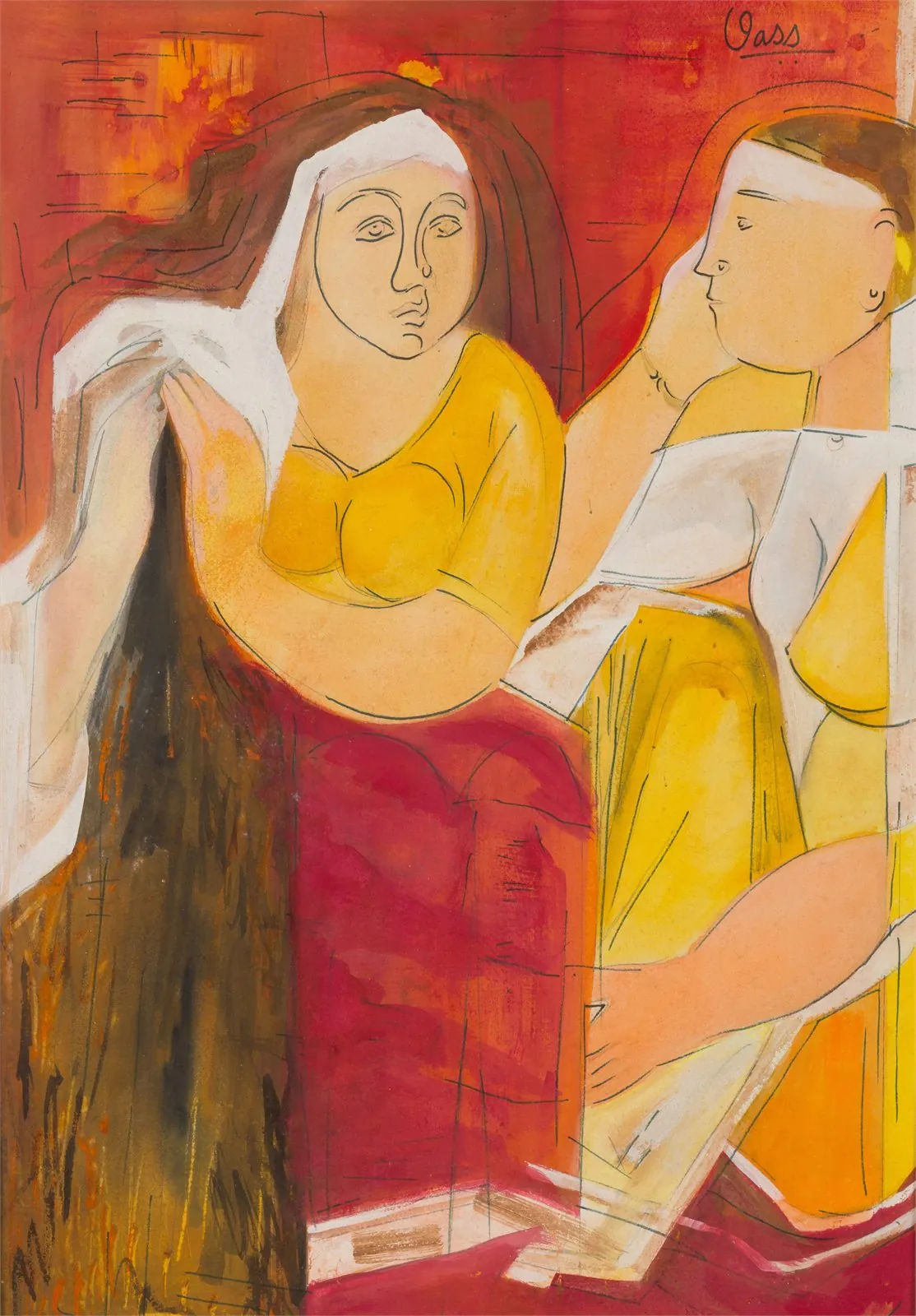
Three Sisters by K.S. Vass

04 / 2023

Three Sisters

Medium
Acrylic on Canvas
Size
16IN x 23IN
Enter painting
Cloud Hunting in Da Lat by K.S. Vass

05 / 2022

Cloud Hunting in Da Lat

Medium
Acrylic on Canvas
Size
30IN x 40IN
Enter painting
After Corona: The Joy of Life by K.S. Vass

06 / 2020

After Corona: The Joy of Life

Medium
Gouache on Paper
Size
19IN x 26IN
Enter painting
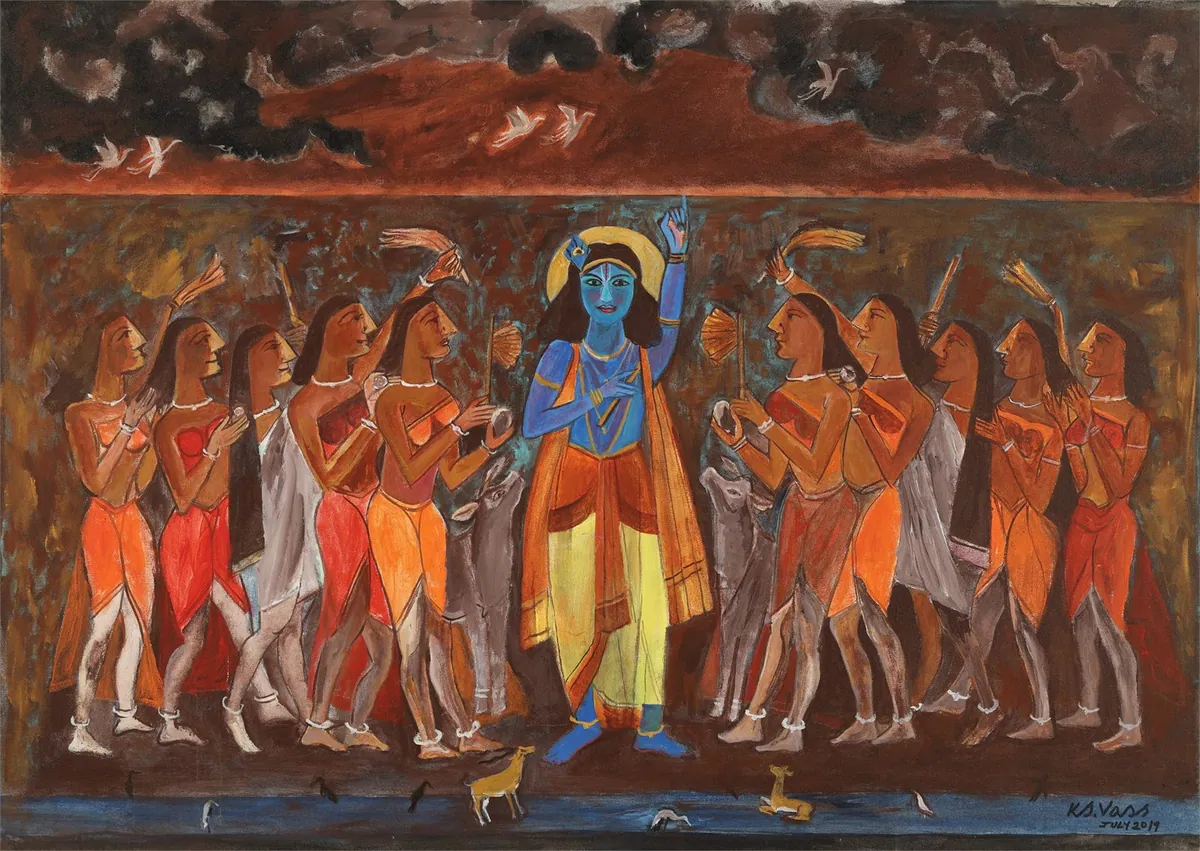
Govardhana Giridhari by K.S. Vass

07 / 2019

Govardhana Giridhari

Medium
Acrylic on Canvas
Size
42IN x 30IN
Enter painting
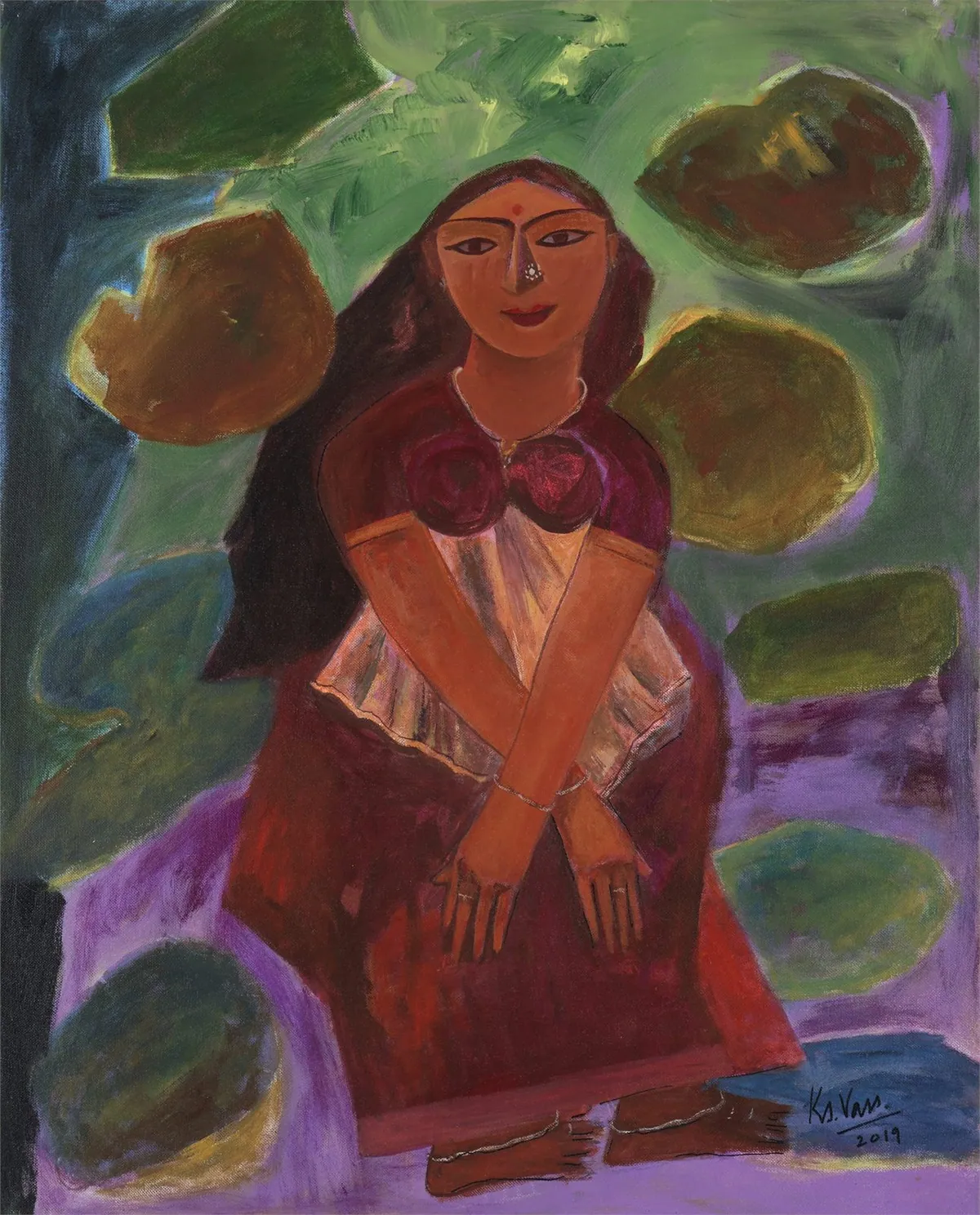
Solitaire by K.S. Vass

08 / 2019

Solitaire

Medium
Acrylic on Canvas
Size
24IN x 30IN
Enter painting
Dream by K.S. Vass

09 / 2016

Dream

Medium
Acrylic on Canvas
Size
30IN x 40IN
Enter painting
Flower Bed by K.S. Vass

10 / 2016

Flower Bed

Medium
Oil on Canvas
Size
18.5IN x 14IN
Enter painting
Puppet Show by K.S. Vass

11 / 2016

Puppet Show

Medium
Acrylic on Canvas
Size
28IN x 40IN
Enter painting
Rainy Day by K.S. Vass

12 / 2016

Rainy Day

Medium
Acrylic on Canvas
Size
30IN x 40IN
Enter painting
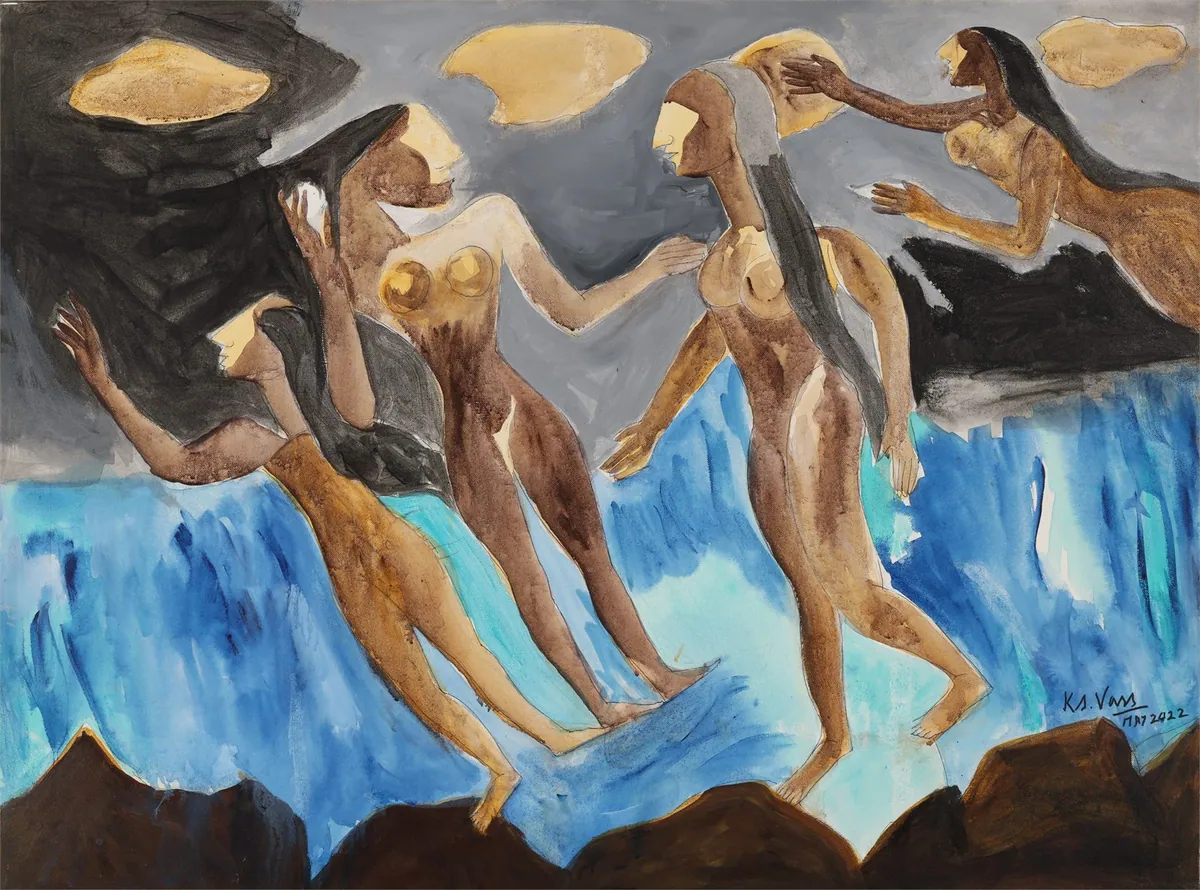
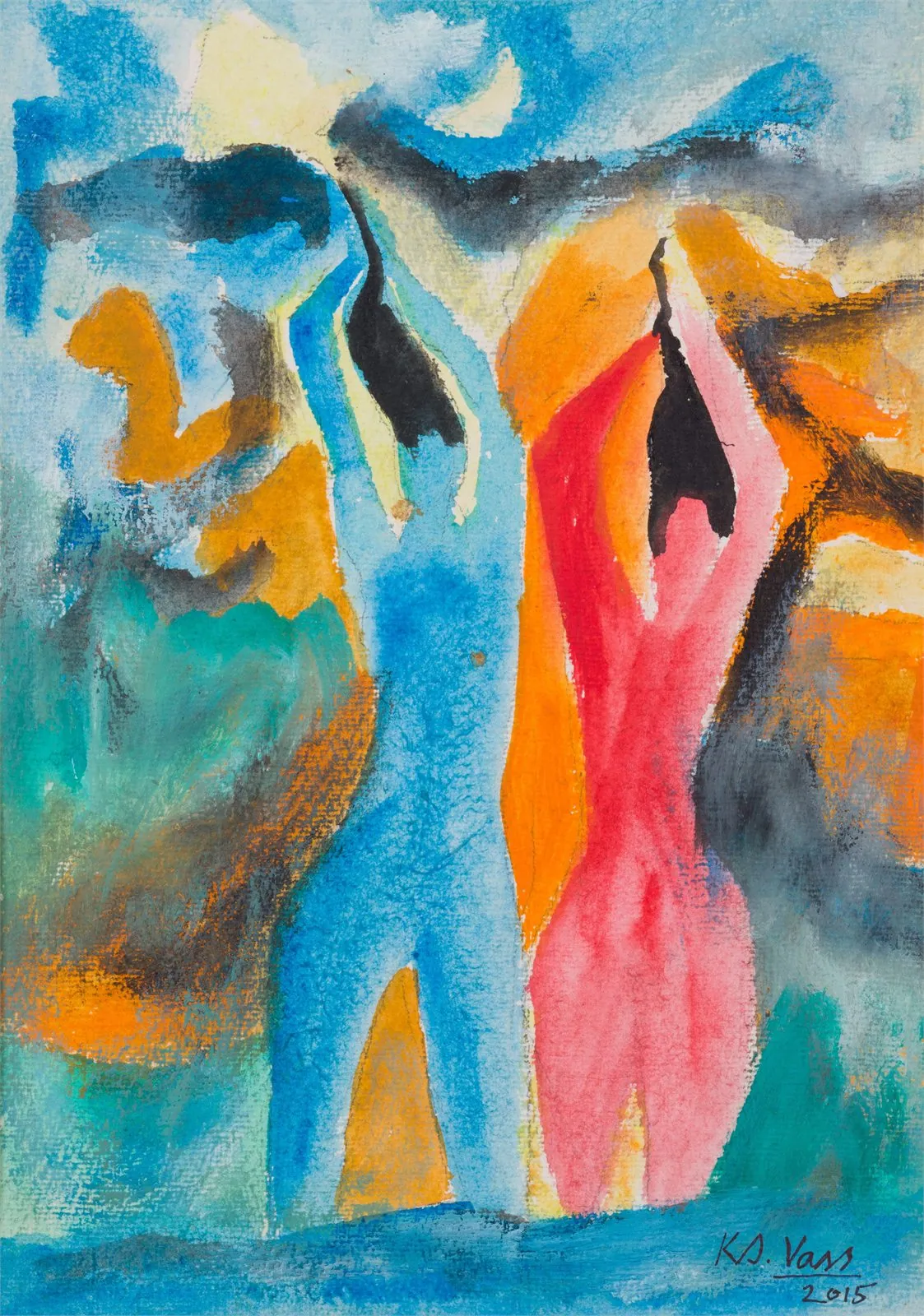
Bathers by K.S. Vass

13 / 2015

Bathers

Medium
Water Color on Paper
Size
25CM x 36CM
Enter painting
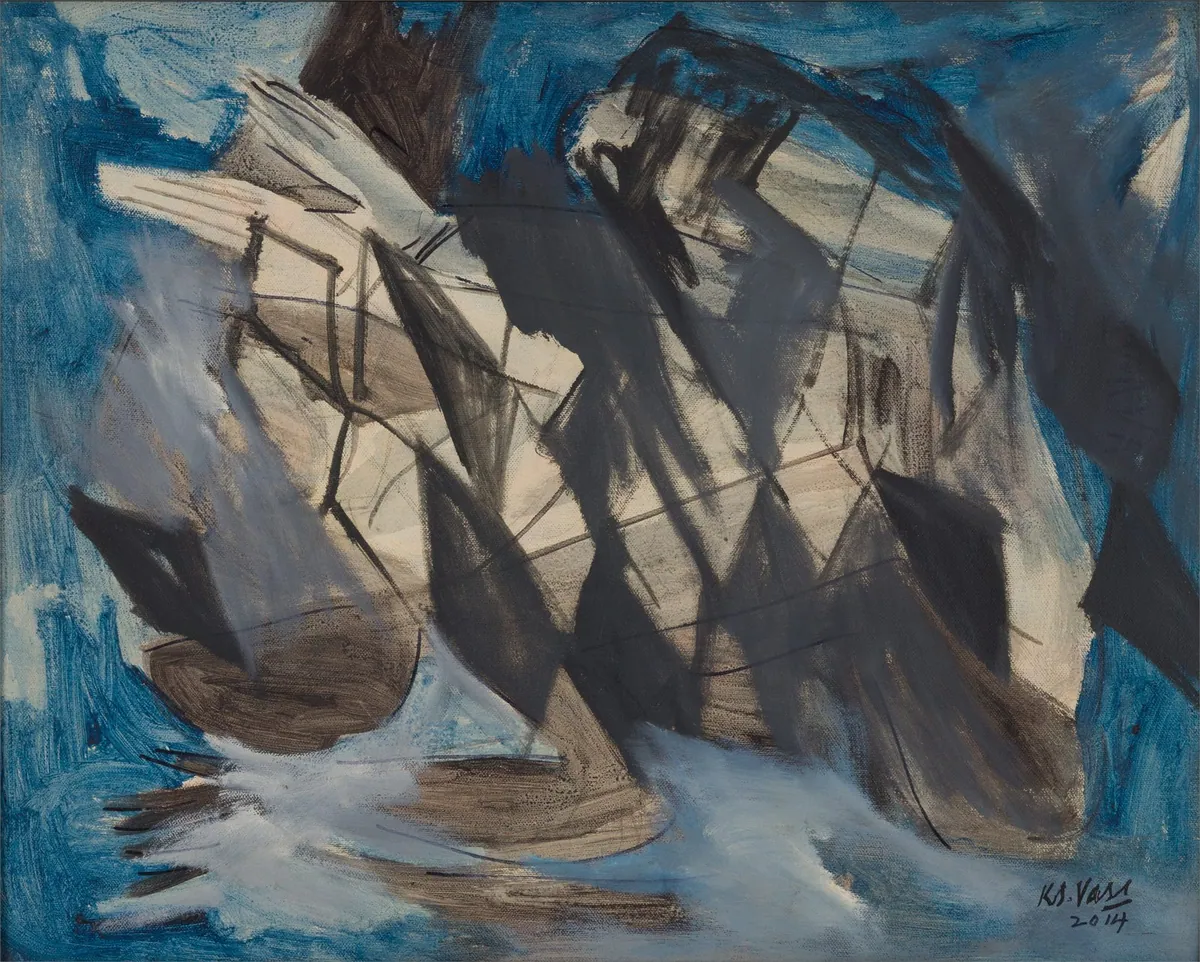
After The Storm by K.S. Vass

14 / 2014

After The Storm

Medium
Acrylic on Canvas
Size
21.5IN x 17IN
Enter painting
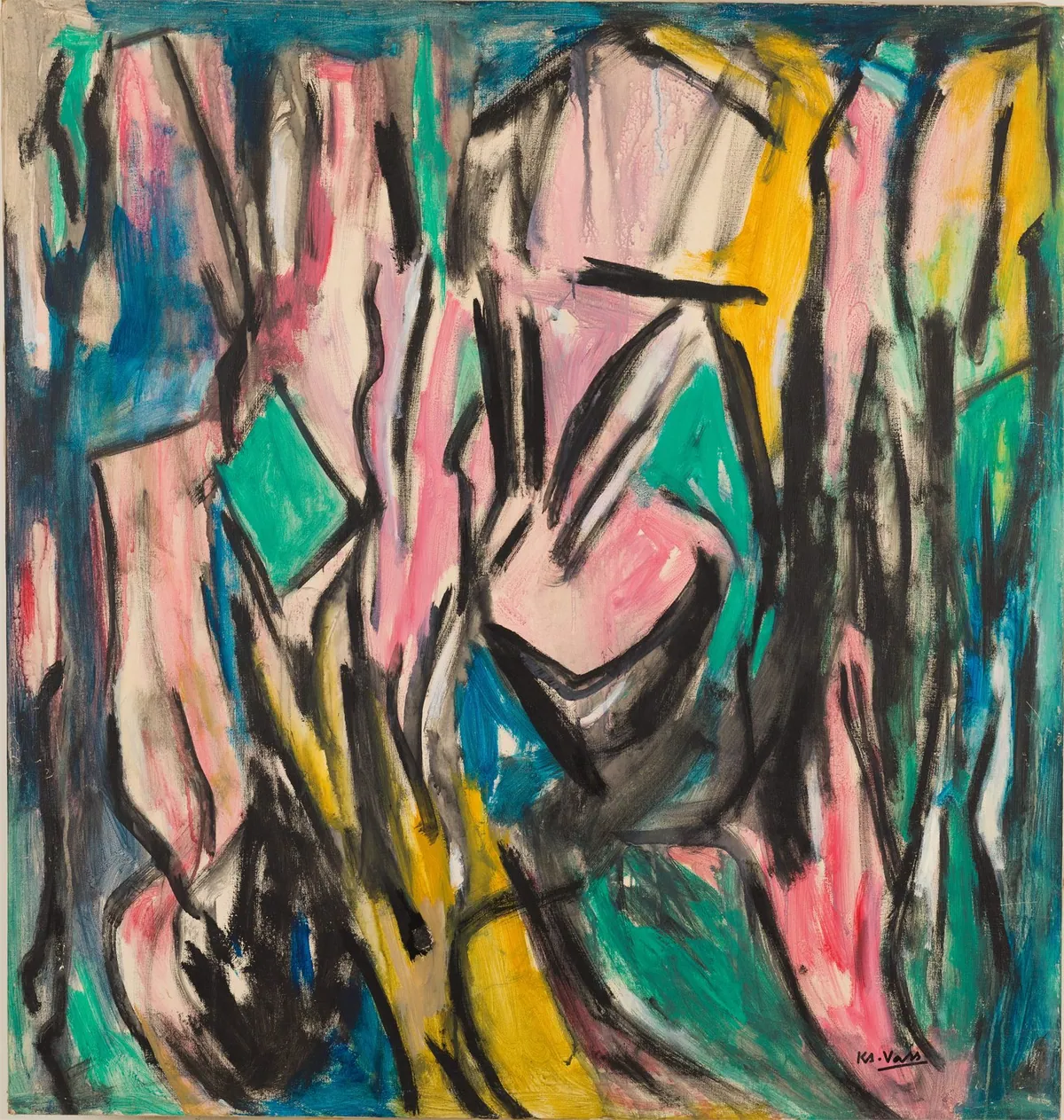
Green, Pink and Black by K.S. Vass

15 / 2014

Green, Pink and Black

Medium
Acrylic on Canvas
Size
38IN x 40IN
Enter painting
Afternoon Wind by K.S. Vass

16 / 2013

Afternoon Wind

Medium
Acrylic and Oil on Canvas
Size
22IN x 30IN
Enter painting
Concert by K.S. Vass

17 / 2013

Concert

Medium
Acrylic on Canvas
Size
30IN x 24IN
Enter painting
Chatting by K.S. Vass

18 / 2012

Chatting

Medium
Acrylic on Canvas
Size
30IN x 36IN
Enter painting
Nature by K.S. Vass

19 / 2012

Nature

Medium
Acrylic on Canvas
Size
24IN x 30IN
Enter painting
Source of Life by K.S. Vass

20 / 2012

Source of Life

Medium
Acrylic on Canvas
Size
23IN x 31.5IN
Enter painting
Leisure by K.S. Vass

21 / 2011

Leisure

Medium
Acrylic on Canvas
Size
38IN x 40IN
Enter painting
At Rest by K.S. Vass

22 / 2008

At Rest

Medium
Acrylic on Canvas
Size
21.5IN x 31.5IN
Enter painting
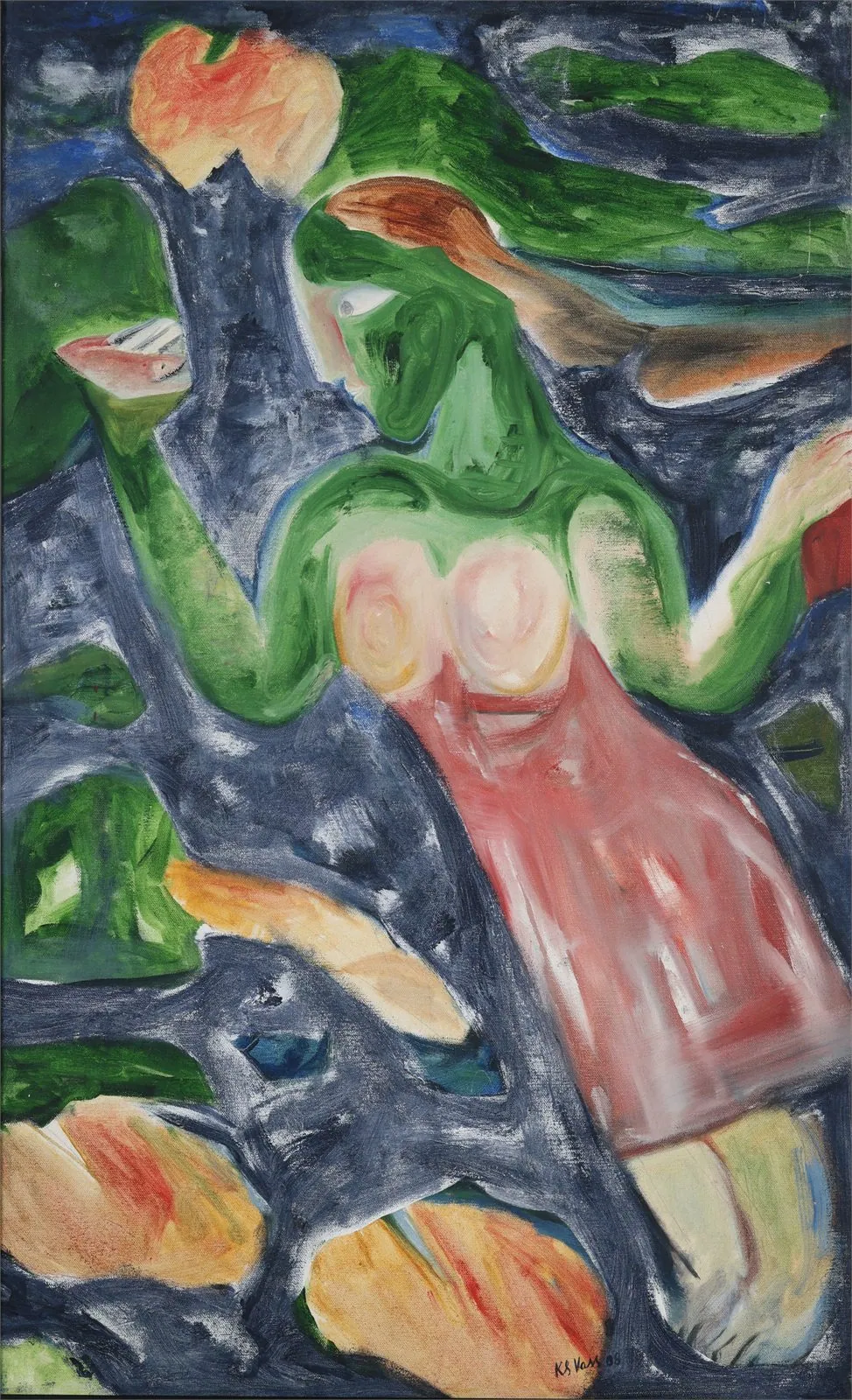
Water Nymph by K.S. Vass

23 / 2008

Water Nymph

Medium
Acrylic and Oil on Canvas
Size
22IN x 36IN
Enter painting
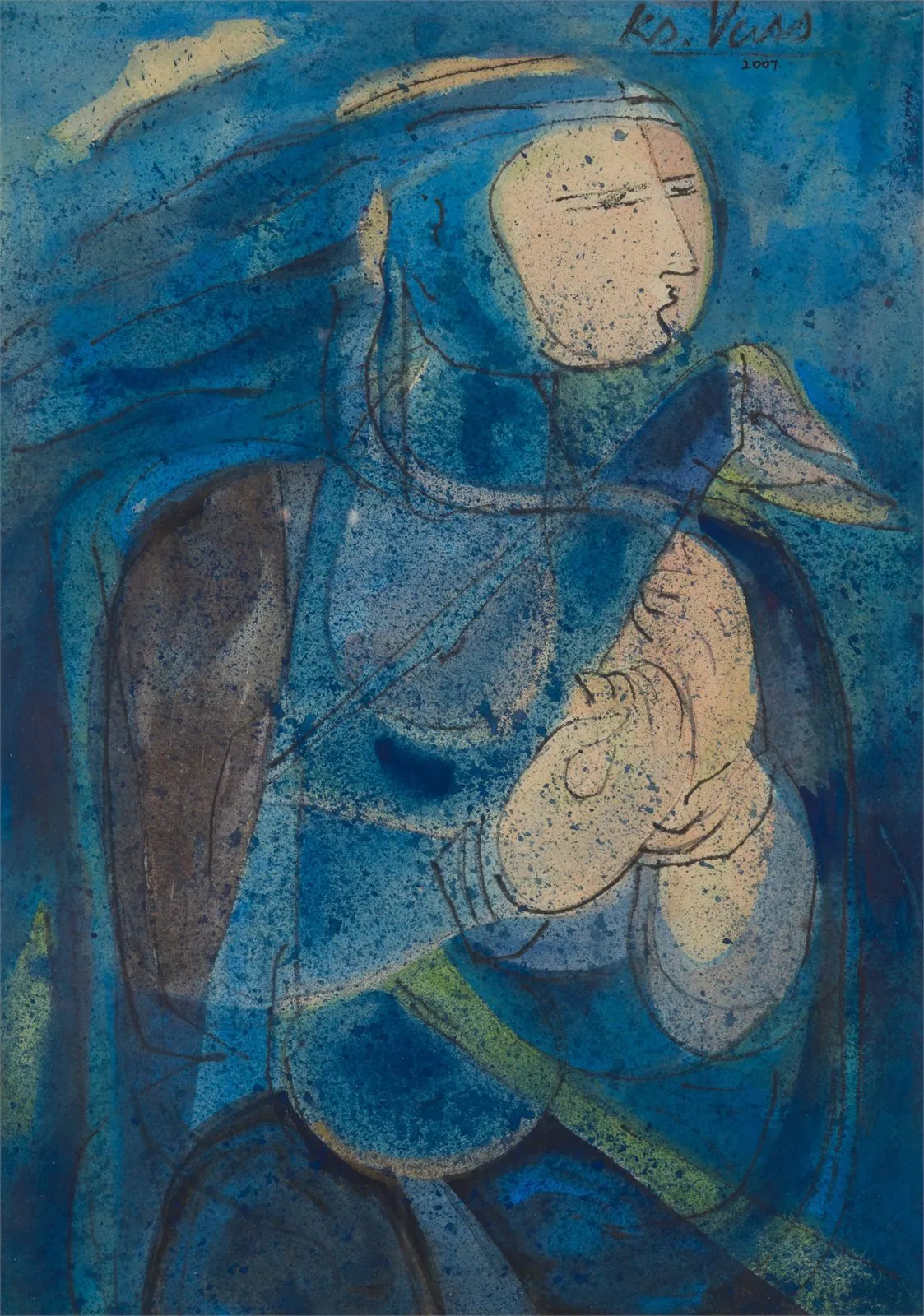
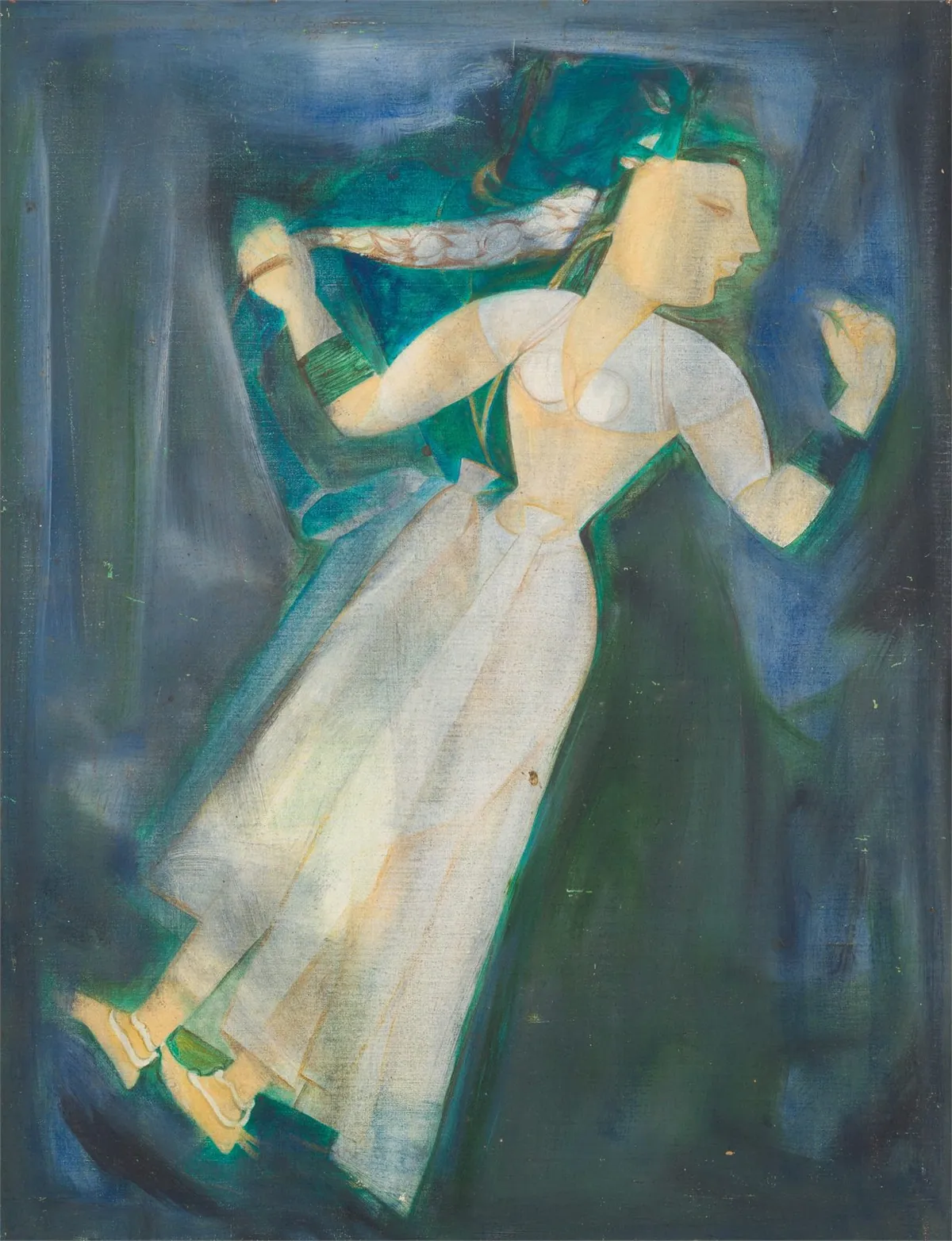
Lady With Peacock by K.S. Vass

24 / 2007

Lady With Peacock

Medium
Gouache on Paper
Size
18.5IN x 13IN
Enter painting
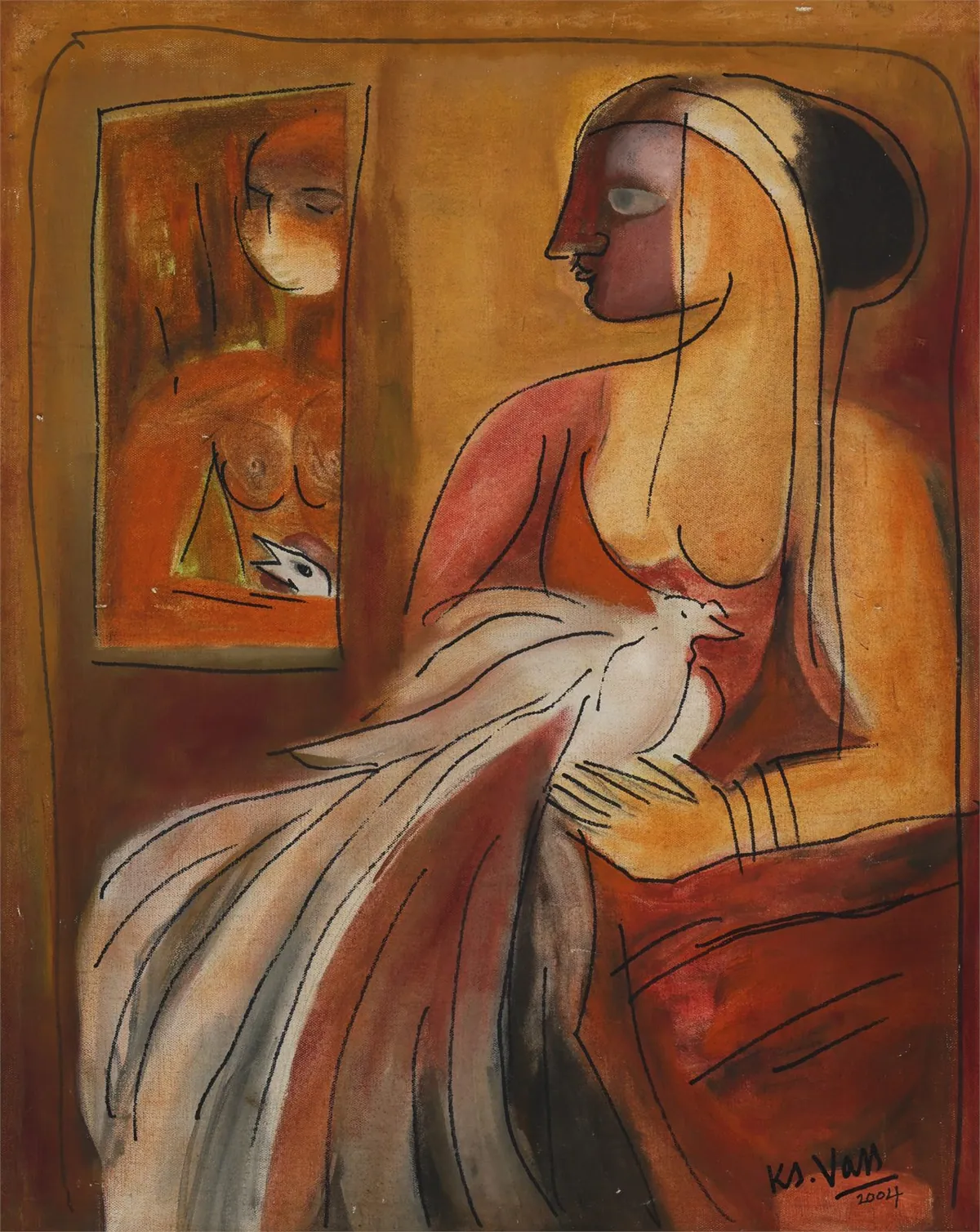
Lady Bird by K.S. Vass

25 / 2004

Lady Bird

Medium
Oil on Canvas
Size
23IN x 18.5IN
Enter painting
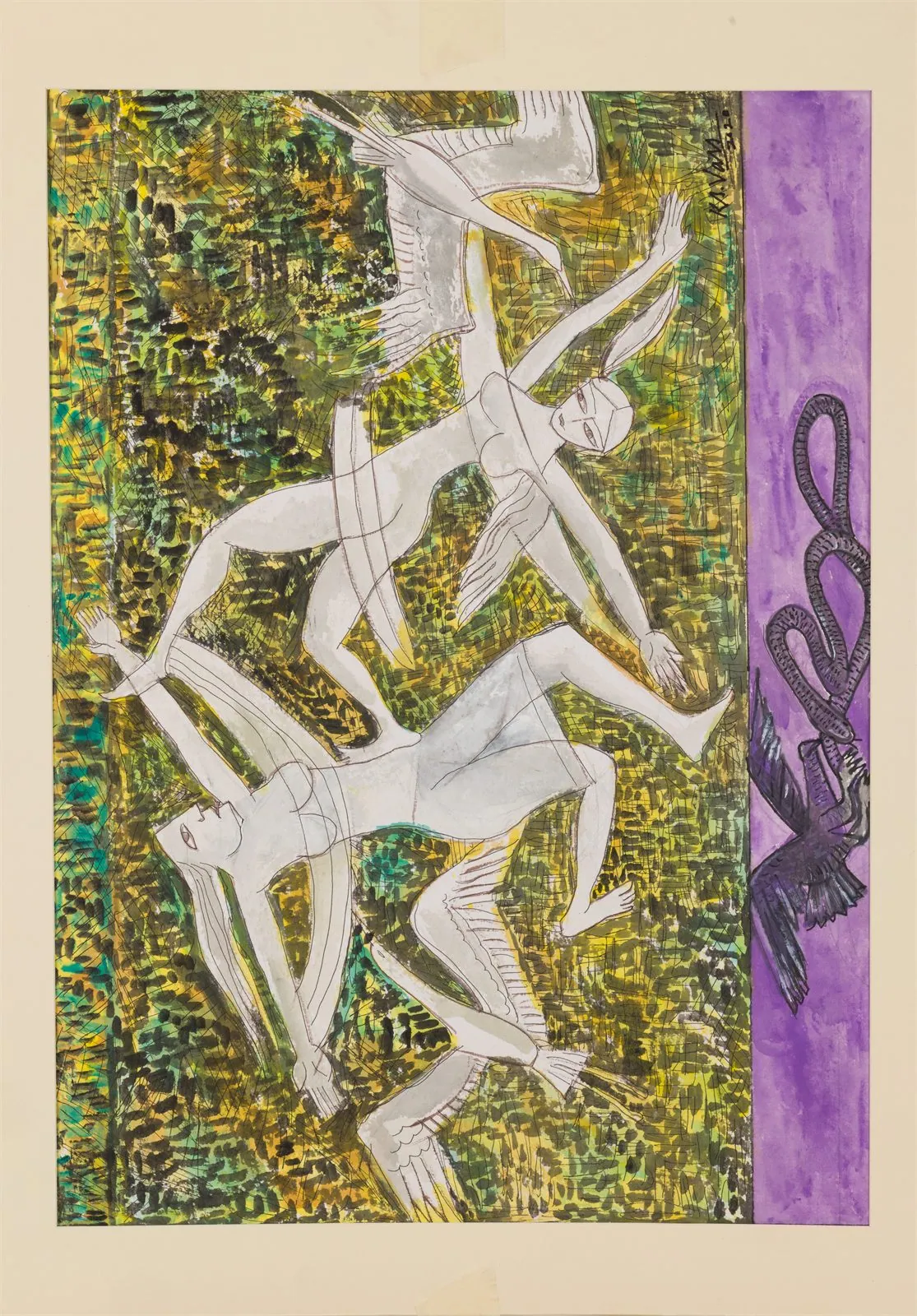
Dilemma by K.S. Vass

26 / 2002

Dilemma

Medium
Water Color on Paper
Size
66CM x 45CM
Enter painting
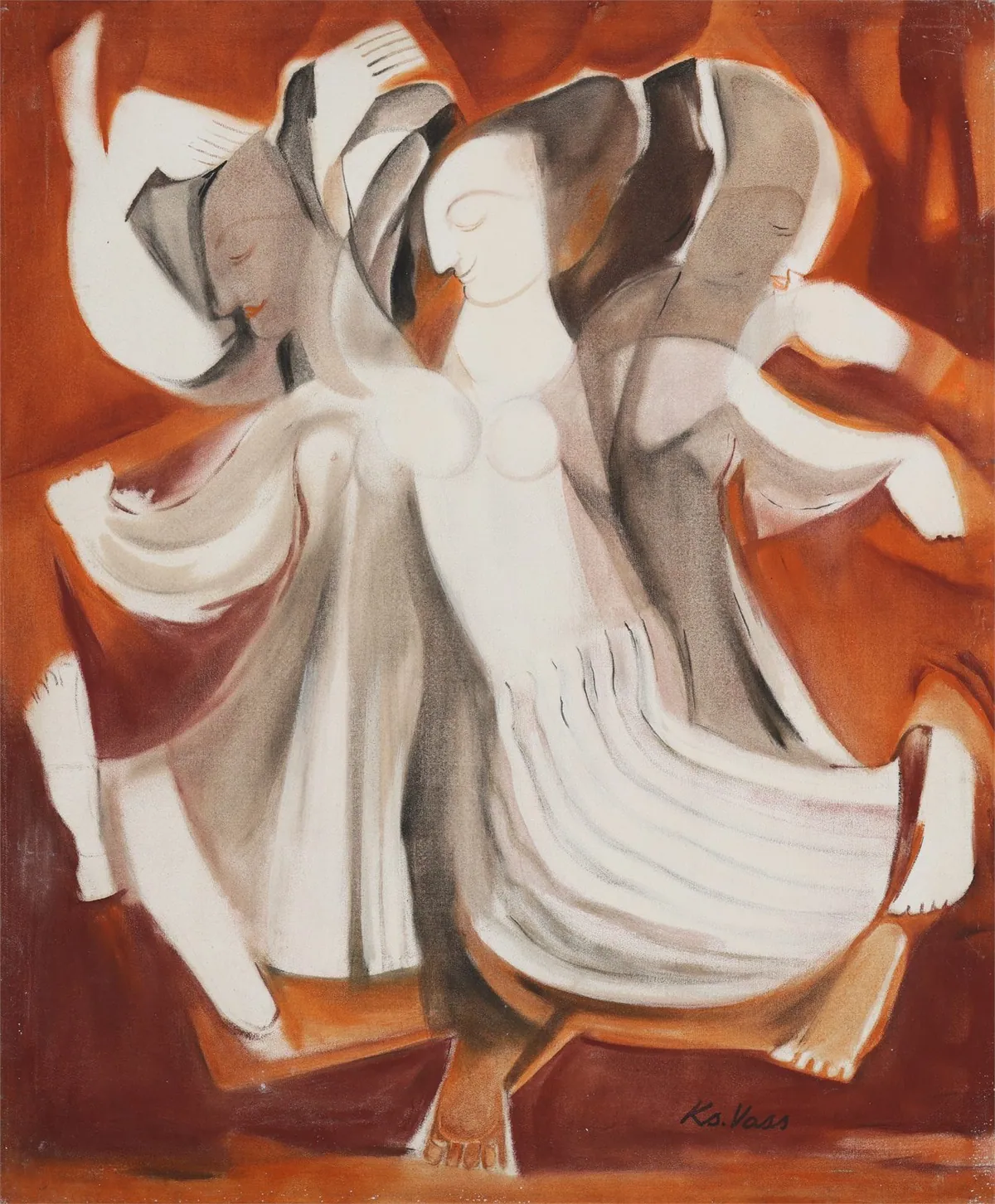
Dancers by K.S. Vass

27 / 2000

Dancers

Medium
Oil on Canvas
Size
30IN x 36IN
Enter painting
Couple Sleeping by K.S. Vass

28 / 1998

Couple Sleeping

Medium
Oil on Canvas
Size
24IN x 18IN
Enter painting